

What is SMOPS-2026?
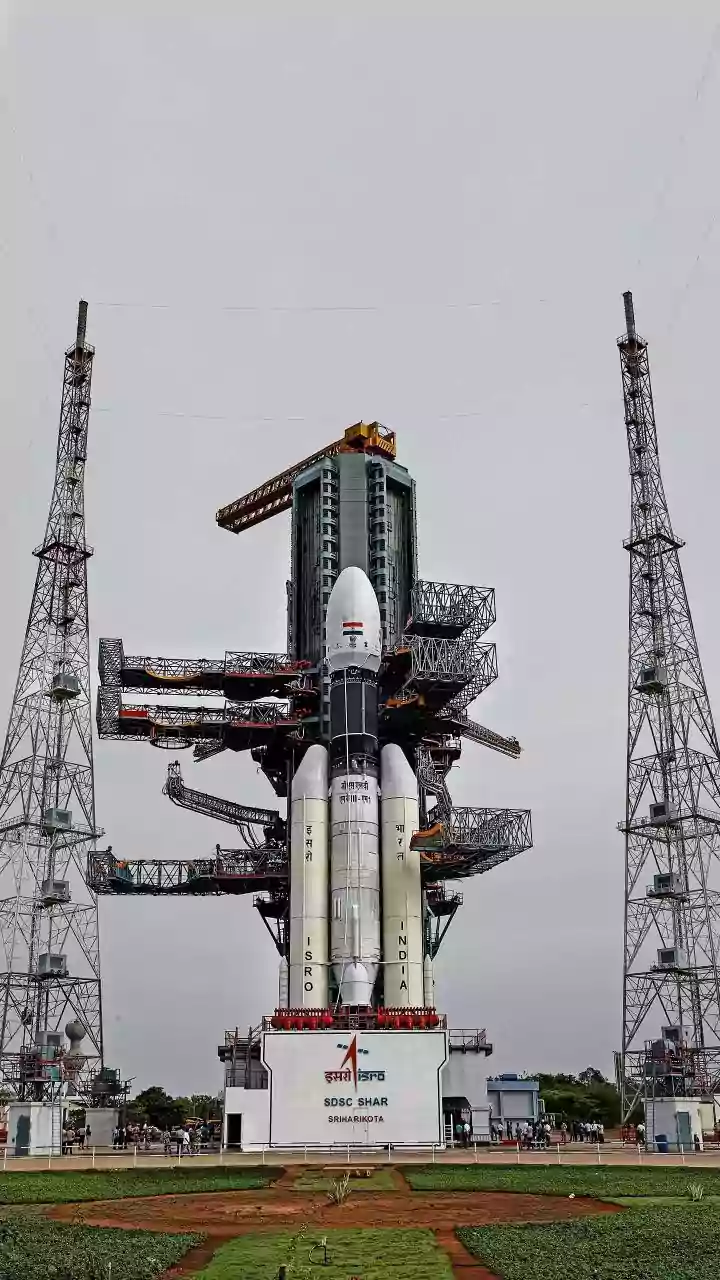
SMOPS-2026, the International Conference on Spacecraft Mission Operations, is a major event jointly organized by the Indian Space Research Organisation (ISRO) and other international bodies. It brings together the world's leading space agencies, private
companies, startups, and academics to share breakthroughs and map out the future of managing spacecraft. This year's theme, "Innovative Operations for Smart and Sustainable Space Mission Management – Next Generation," puts a sharp focus on automation, AI, and robotics. Hosted in India's tech and aerospace capital, Bengaluru, the conference highlights the nation's growing prominence in the global space landscape and provides a platform to address key challenges like managing satellite mega-constellations and ensuring space sustainability.
The Old Way: Human in the Loop
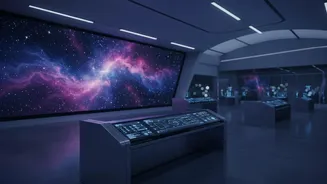
Traditionally, a mission control center is a room full of highly skilled engineers glued to screens, monitoring every blip of data from a satellite or spacecraft. They manually send commands, diagnose problems, and plot trajectories. This human-in-the-loop system has served humanity well, from the first satellites to lunar landings. However, it's incredibly labor-intensive and slow. For every spacecraft, a dedicated team must be on call 24/7. This model is becoming unsustainable as the complexity and sheer number of space missions grow exponentially. It's like trying to manage the entire internet's traffic using only manual switchboard operators; it simply doesn't scale.
The New Way: AI as the Co-Pilot
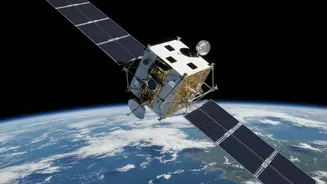
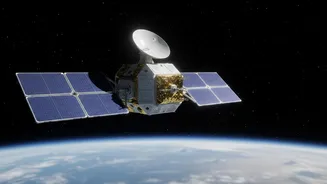
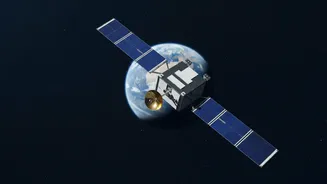
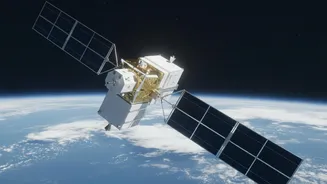
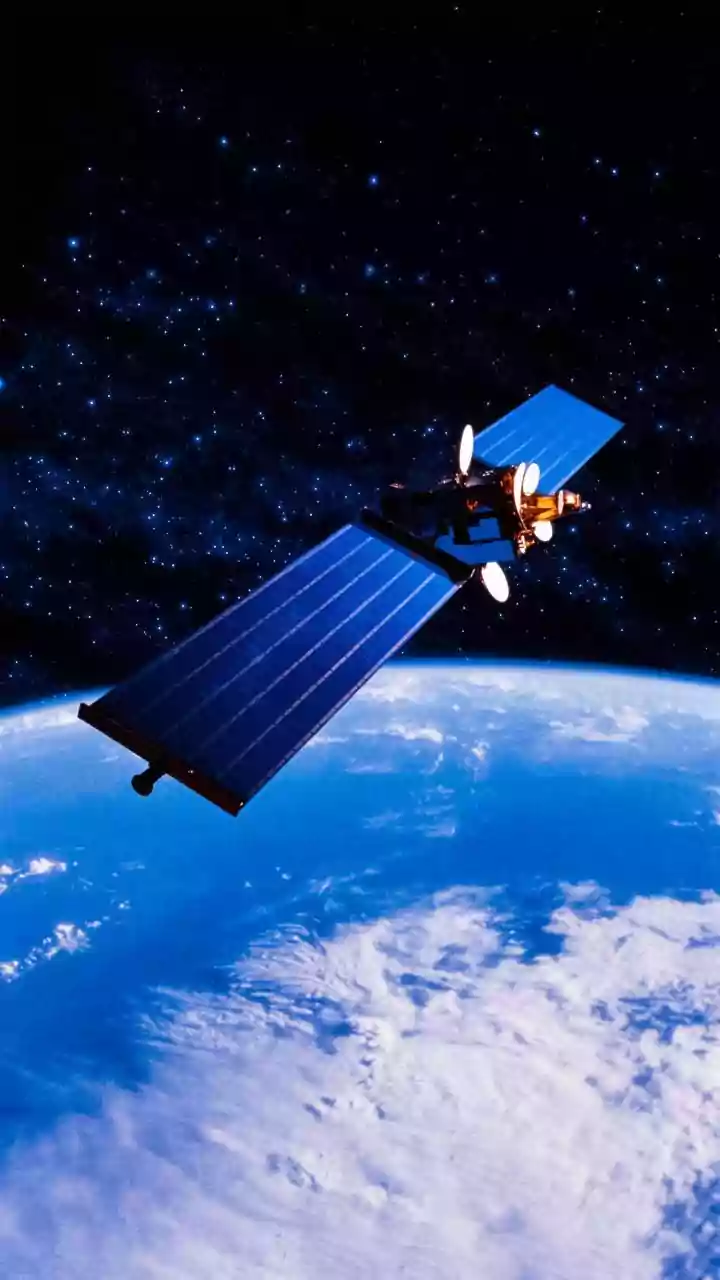
Automated mission control, driven by AI, is the solution being discussed in the halls of SMOPS-2026. Instead of humans constantly monitoring telemetry, AI algorithms do the heavy lifting. These systems can predict system failures, automatically perform routine health checks, and manage resources like fuel and power with superhuman efficiency. A crucial application is autonomous navigation and collision avoidance. With tens of thousands of satellites and pieces of debris in orbit, AI can track potential threats and maneuver spacecraft to safety far faster and more reliably than a human operator could. This relieves human experts from routine tasks, allowing them to focus on the truly unforeseen challenges and scientific discoveries.
Why Automation is Now Non-Negotiable
The push for automation isn't just about efficiency; it's about enabling the future of space exploration. For deep-space missions to Mars and beyond, the communication delay can be several minutes to hours. Real-time human control is impossible. An autonomous system is essential for a Mars rover to navigate around a rock or for a probe to make a split-second decision during a planetary fly-by. Closer to home, the rise of mega-constellations from companies like SpaceX and others would be impossible to manage without automation. AI is also critical for future in-orbit services, such as repairing satellites or docking with space stations, tasks ISRO recently demonstrated with its SPADEX mission. Ultimately, automation reduces costs and lowers the barrier to entry, fueling the growth of the new space economy.
India's High Stakes in an Automated Future
For ISRO and India's burgeoning private space sector, embracing automation is a strategic imperative. Hosting SMOPS-2026 in Bengaluru is a clear signal of this ambition. Future missions, including ambitious human spaceflight programs like Gaganyaan and interplanetary ventures, will rely heavily on AI for everything from crew support systems to autonomous navigation. ISRO has already been focusing on developing AI and machine learning capabilities for mission operations, object tracking, and robotics. By fostering a domestic ecosystem of AI and space-tech innovators, India is positioning itself not just as a participant, but as a leader in creating the smarter, more sustainable, and automated future of space mission management.