






The Science of Deliciousness
At its core, great cooking is about creating balance. Our palates crave a dynamic interplay of flavours. Rich, fatty foods like almond butter coat the tongue and can feel one-dimensional on their own. By introducing a contrasting element like acidity
(from citrus or vinegar) or the bright sweetness of fruit, you cut through that richness. This contrast cleanses the palate with each bite, making the nutty flavour of the almond butter pop and creating a more complex, enjoyable, and less cloying experience. It’s the reason a squeeze of lime elevates a curry, and why sweet jam is so perfect with fatty cheese. The same principle turns good almond butter dishes into great ones.
A Jolt of Acidity
One of the most effective ways to balance almond butter is with a splash of acid. This is the key to creating fantastic savoury sauces and dressings. Think beyond the toast and imagine a creamy, Asian-inspired dressing for noodles or salads. You can whisk almond butter with lime juice, a bit of soy sauce or tamari, minced ginger, and garlic for a sauce that is simultaneously rich, tangy, and savoury. This kind of sauce is incredibly versatile; use it to dress a crunchy kale salad, as a dip for fresh spring rolls, or as a marinade for grilled tofu or chicken satay. Other vinegars work beautifully, too. Apple cider vinegar adds a fruity tang, while rice vinegar provides a milder, cleaner acidity perfect for dressings.
The Sweetness of Fruit
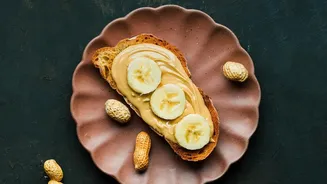
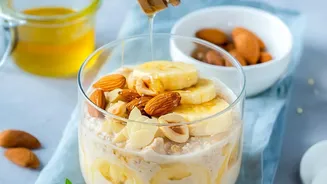
The classic pairing of almond butter and fruit is popular for a reason—it just works. The natural sugars and slight tartness of fruit provide a perfect counterpoint to the nuttiness. While a sliced banana is a timeless companion, don't be afraid to branch out. Berries, with their inherent tartness, are a wonderful match. Try swirling almond butter into your morning oatmeal and topping it with a handful of fresh blueberries or raspberries. Sliced strawberries, apples, and peaches also pair beautifully. You can make a simple, healthy fruit dip by blending almond butter with Greek yogurt and a touch of honey for sweetness. For a quick snack, simply slice an apple and serve with a side of almond butter for dipping.
Elevated Breakfasts and Snacks
This principle of balance can easily elevate your daily staples. Upgrade your morning smoothie by blending frozen berries or mango with a tablespoon of almond butter. The fruit provides sweetness and freshness, while the almond butter adds protein and healthy fats to keep you full longer. Homemade granola or energy bars are another great application. Combine oats, seeds, and chopped nuts with a binder made from almond butter and a liquid sweetener like honey or maple syrup, then add dried fruit like cherries or chopped dates for pockets of sweetness and chewiness. Even a simple piece of toast becomes more interesting with a layer of almond butter topped with fresh figs or raspberries instead of the usual jam.
From Dips to Desserts
The versatility of a balanced almond butter recipe extends to every part of a meal. For a savoury appetizer, create a dip by mixing almond butter with yogurt or sour cream, a squeeze of fresh lime juice, and spices. It's an excellent, protein-rich accompaniment for raw vegetables like carrots, bell peppers, and cucumbers. In desserts, this balance prevents overwhelming richness. Almond butter frosting, for example, has a more complex, less sugary taste than its traditional buttercream counterpart. You can also make simple and satisfying treats like strawberry 'sandwiches' with a layer of almond butter in the middle or no-bake cookies where dried fruit cuts through the nutty base.