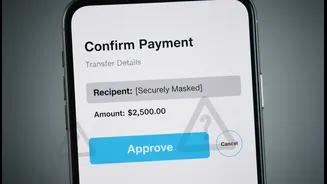








The Anatomy of a Processing Fee Scam
Financial scams in India are becoming increasingly sophisticated, costing victims crores. A common and effective trap is the advance fee or processing charge scam. Fraudsters create a sense of urgency and opportunity, offering attractive job positions
or pre-approved loans that seem too good to be true. The catch comes when they ask for a seemingly small amount—a registration fee, document verification charge, or processing fee—to finalise the offer. Once this payment is made, often to a personal UPI ID or bank account, the scammer vanishes. This tactic preys on the victim's hope and the pressure to act quickly, making it a widespread threat to job seekers, recent graduates, and anyone in need of urgent funds.
Why Independent Verification Is Crucial
Scammers are masters of impersonation. They create fake websites, use logos of real companies, and even provide names and ID numbers of actual HR managers to appear legitimate. They might communicate through WhatsApp or emails from generic domains like Gmail, which is a major red flag. Relying on the phone number, email address, or website link they provide is like asking a fox to guard the henhouse. The only way to be certain is to take control of the verification process yourself. Finding the company's official contact information through your own search, not their links, is the critical step that separates a safe transaction from a potential scam. This simple act breaks the chain of deception and puts you in contact with the real entity, not the imposter.
How to Properly Verify a Job Offer
Before paying any fee for a job offer, take these verification steps. First, search for the company’s official website using a search engine like Google. Do not use any link sent by the recruiter. On the official site, look for a “Careers” or “Contact Us” page and find an official phone number or HR email address. Call that number and ask to confirm that the job opening is real and that the person who contacted you is an actual employee. Reputable companies rarely use free email domains; an email from “@companyname.com” is more credible than one from “@gmail.com”. Additionally, check the Ministry of Corporate Affairs (MCA) portal to confirm the company is legally registered in India. Legitimate employers do not ask for money for recruitment or training.
Verifying Loans and Financial Services
Loan scams follow a similar pattern, promising instant approval with minimal checks. A key rule from the Reserve Bank of India (RBI) is that legitimate lenders must be transparent about all fees. These charges are typically deducted from the disbursed loan amount, not demanded as an upfront payment into a personal account. If you are asked to pay a processing fee in advance, it is a major red flag. To verify a lender, check the RBI's official website for the list of registered banks and Non-Banking Financial Companies (NBFCs). Avoid downloading lending apps from unverified links; use the official Google Play Store or Apple App Store and check reviews. The RBI has mandated that all lenders provide a Key Fact Statement (KFS) detailing all costs before you sign an agreement, ensuring there are no hidden charges.
What to Do If You've Been Scammed
If you realize you have been a victim of financial fraud, time is critical. Immediately call the National Cyber Crime Helpline at 1930. This line is specifically for financial fraud and can help freeze the money before it’s moved by the scammer. You should also contact your bank's fraud department to report the transaction and request a hold. After these initial steps, file a formal complaint on the National Cyber Crime Reporting Portal at cybercrime.gov.in. Reporting the incident not only increases your chances of recovering funds but also helps authorities track down these criminal networks and prevent others from falling victim.