


So, What Exactly Is Podi?
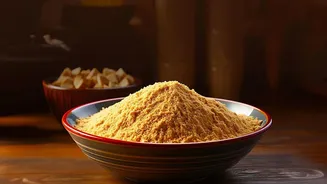
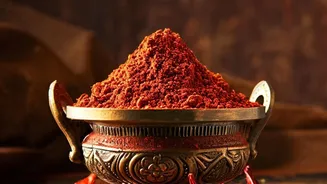
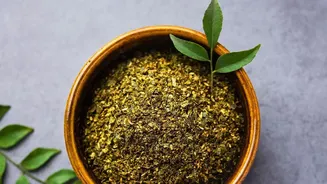
At its heart, podi is a coarse, dry powder made from a carefully chosen blend of ingredients that are roasted and ground. The word 'podi' simply means 'powder' in several South Indian languages like Tamil and Telugu, while in Karnataka it is known as 'pudi'.
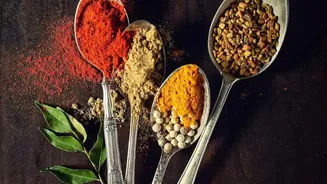
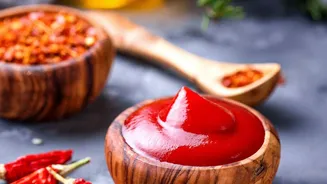
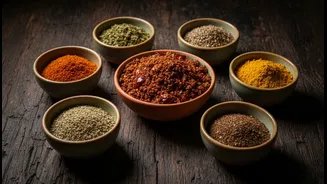
Think of it as a dry chutney or a condiment. The foundational components are typically lentils (like urad dal and chana dal), dried red chillies, and various seeds and spices. These ingredients are roasted, which deepens their flavour and removes moisture, giving podi its long shelf life—a clever preservation technique that predates refrigeration by centuries. This practicality made it a staple for travellers and a quick flavour solution in home kitchens.
Beyond 'Gunpowder': A Universe of Flavours
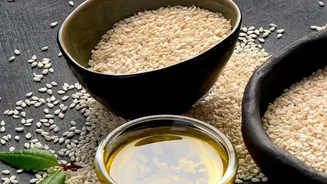
While 'milagai podi' (chilli powder), often nicknamed gunpowder for its explosive flavour, is the most famous variety, it's just the tip of the iceberg. The world of podi is vast, with each type boasting a unique personality. 'Paruppu podi' is a milder, comforting powder made primarily from roasted toor dal and pepper, often a child's first introduction to the condiment. 'Karuveppilai podi' is an intensely fragrant and dark green mix where the hero is the curry leaf, celebrated for its distinct herbal notes and health benefits. Then there's 'ellu podi', a nutty and slightly sweet version made with sesame seeds, and 'poondu podi', a pungent and savoury blend packed with garlic. Modern, health-conscious variations even include ingredients like flaxseed or moringa leaves. Each family and region has its own treasured recipes, passed down through generations.
The Art of Eating Podi
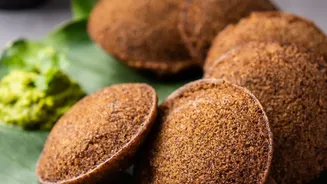
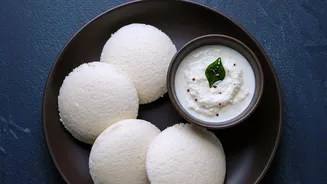
The most classic and beloved way to enjoy podi is with breakfast staples like idli and dosa. A small mound of podi is served on the plate, a well is made in the center, and a generous pour of warm ghee or sesame oil transforms the dry powder into a thick, aromatic paste perfect for dipping. The hot idli or dosa soaks up the spiced oil, creating a bite that is simultaneously soft, crunchy, nutty, and spicy. But its use doesn't stop there. A spoonful of paruppu podi mixed into hot steamed rice with a dollop of ghee is a quintessential comfort meal for many South Indians. Podi is also sprinkled over uttapams, mixed into upma, used to season roasted vegetables, and even stirred into yoghurt or buttermilk. Creative cooks have found even more uses, from podi-avocado toast to a seasoning for french fries.
A Spoonful of Home
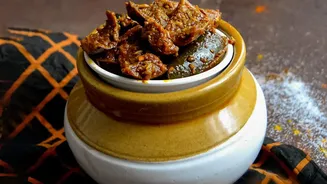
More than just a condiment, podi is an emotion and a cultural cornerstone. In countless South Indian households, a collection of jars filled with different podis is a pantry non-negotiable. For those living away from home, a parcel containing a jar of homemade podi is a care package filled with love and nostalgia. It represents the ingenuity of ancestral kitchens, creating a product that is both practical and bursting with flavour. It’s a quick fix for a rushed weekday dinner, a reliable travel companion that doesn’t spoil, and an instant taste of home. In a world of complex cooking, the humble podi stands as a testament to the power of simple, high-quality ingredients and the enduring comfort of tradition.