


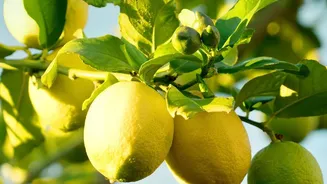

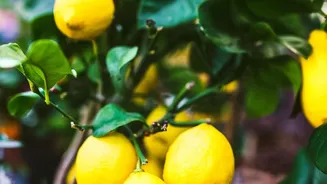
The Golden Rule: How Much Sun?
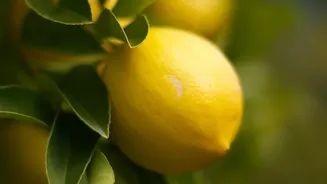
The foundational rule for a happy lemon tree is a generous amount of direct sunlight. For your plant to have enough energy for lush foliage and, most importantly, fruit, it needs at least six to eight hours of direct sun each day. Think of sunlight as the
fuel for your plant's fruit factory. Less than six hours a day may keep the plant alive and green, but it will struggle to produce flowers and lemons. Commercial citrus growers often expose their trees to unbroken sun all day, so for a home garden, providing as much light as possible is the goal. If you're growing in a pot, this means finding the sunniest spot on your balcony, patio, or in your garden.
Morning Sun vs. Afternoon Heat
Not all sunlight is created equal, especially in the strong Indian climate. While lemon trees love sun, the intense heat of the afternoon can be stressful, particularly for young plants or those in containers where roots can heat up quickly. Ideally, position your plant to receive gentle morning and early afternoon sun, with some protection from the harsh, direct sun in the late afternoon. A spot that gets full sun until about 2 or 3 PM is often perfect. This gives the plant the light it needs for photosynthesis without the risk of scorched leaves and heat stress that can occur during the hottest part of the day.
Placement for Balconies and Gardens
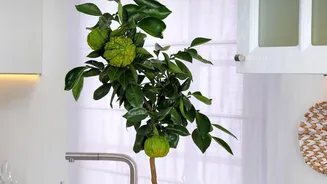
Where you place your lemon tree depends heavily on your living situation. For apartment dwellers, a south or west-facing balcony is your best bet, as these directions typically receive the most hours of direct sunlight. Ensure the pot has excellent drainage, as container plants are more susceptible to both drying out and becoming waterlogged. If your balcony is shaded for part of the day, you may need to move the pot to follow the sun. For those with gardens, choose a spot away from large trees that will cast shade. Planting near a wall or driveway that reflects heat and light can be beneficial, providing extra warmth and brightness. However, be mindful of extreme reflected heat in peak summer.
Reading the Leaves: Is Your Plant Happy?
Your lemon tree will give you clues about its sunlight exposure. If the plant isn't getting enough light, you might notice sparse, 'leggy' growth as it stretches towards the sun, along with few or no flowers. The leaves may also be unusually large as the plant tries to maximize its light-capturing surface area. Conversely, too much intense sun can cause problems. Look for signs of sunburn, which appears as yellow or brown patches on the leaves, especially on the side of the plant facing the strongest sun. The leaves might also curl to protect themselves from excessive light. If you see these signs, consider moving your plant to a location with some afternoon shade or using a shade cloth during the hottest months.
Adapting to the Seasons
A lemon tree’s needs change with the seasons. During the peak of summer, especially during a heatwave, providing some afternoon shade can prevent stress and fruit drop. In the monsoon season, ensure your potted plant doesn’t become waterlogged, and that it still receives adequate light between rainy spells. Winter brings weaker sunlight, so you may need to move your plant to a position that catches every possible ray of sun throughout the day. If you bring your plant indoors for any reason, it's crucial to acclimate it slowly to lower light levels by moving it to a shaded spot for a couple of weeks first. Once inside, place it by the sunniest window available, often a south-facing one, or supplement with a grow light to keep it from declining.