



The Blueprint for a High-Speed Future
India is laying the groundwork for a massive expansion of its bullet train network by creating a standardized design base for all future corridors. The National High Speed Rail Corporation Limited (NHSRCL) is spearheading this initiative, which aims to
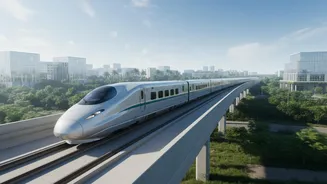
develop a common design template for crucial infrastructure like viaducts, bridges, tunnels, and stations. Instead of engineering each new corridor from scratch, this 'design library' will draw on the experience gained from the ongoing Mumbai-Ahmedabad High-Speed Rail (MAHSR) project. The goal is to create a unified Indian standard for high-speed rail, tailored to local conditions, which will accelerate construction, reduce costs, and ensure consistent quality across the board.
Beyond the First Corridor
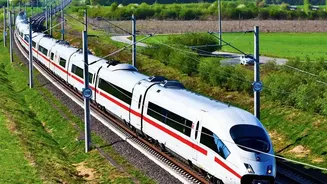
The Mumbai-Ahmedabad line, being built with Japanese Shinkansen technology, has served as a valuable learning ground. Now, the focus is shifting to what comes next. The government has approved seven new high-speed corridors, spanning approximately 4,000 kilometers and connecting major hubs like Delhi-Varanasi, Mumbai-Pune, and Chennai-Bengaluru. The new indigenous design base is critical for this expansion. By standardizing designs, NHSRCL can fast-track the execution of these subsequent projects, making the dream of a nationwide high-speed network more attainable. This plan also extends to crucial technology, with India developing its own signalling system, the Bharat Train Control System (BTCS), to reduce reliance on foreign technology for future projects.
A 'Make in India' Masterstroke
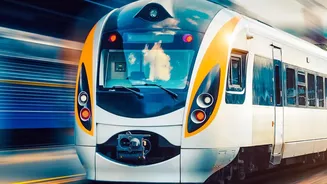
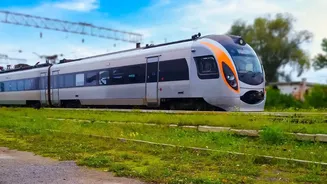
This strategic shift towards standardization and indigenous development is a cornerstone of the 'Make in India' and 'Aatmanirbhar Bharat' initiatives. While the first corridor relies heavily on Japanese expertise, future projects will see a greater emphasis on domestic capabilities. The plan involves not just common civil infrastructure designs but also the development of homegrown rolling stock. India is already working on its own bullet trains, with public sector unit BEML tasked with manufacturing prototypes capable of speeds over 250 kmph. The first indigenously developed trainsets are expected to be used on the MAHSR corridor itself, with trials planned for 2027. This push fosters a domestic ecosystem for manufacturing, skill development, and technology transfer, reducing long-term costs and dependency on imports.
Building on Experience, Aiming Higher
The knowledge gained from the MAHSR project is invaluable. Engineers are applying lessons on everything from land acquisition to complex construction in varied Indian terrain to create the new standardized framework. The plan is to create specifications not just for the current top speeds of around 320 kmph, but for future trains capable of hitting 350 kmph. NHSRCL is collaborating with leading Indian Institutes of Technology (IITs) to develop these standards, ensuring a robust and forward-looking approach. This blend of practical experience from the first corridor and academic rigor is intended to produce a set of blueprints that are both efficient and uniquely suited to India's needs.
The Challenges on the Track Ahead
Despite the ambitious and well-structured plan, the path forward is not without significant hurdles. High-speed rail projects are enormously capital-intensive, with the initial seven new corridors estimated to cost trillions of rupees. Developing genuinely indigenous technology, from trainsets to advanced signalling systems, that can match the safety and reliability of established global players like Japan's Shinkansen is a monumental task that will take years of sustained effort. Furthermore, issues that have plagued the first corridor, such as land acquisition and environmental clearances, will likely remain challenges for future expansions, requiring careful planning and execution. While a standardized design can speed up construction, it does not eliminate these complex groundwork issues that are inherent to large-scale infrastructure projects.