



A Plan for National Survival
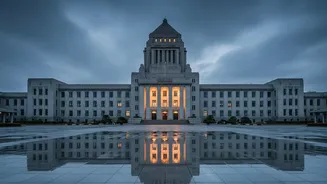
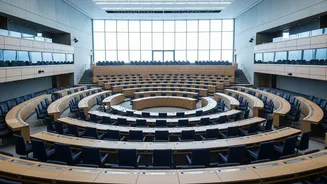
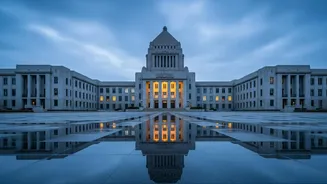
In late July 2026, Japan's national legislature, the Diet, passed a pivotal piece of legislation that establishes a framework for creating a "second capital." This law does not mean the government is packing its bags and leaving Tokyo. Instead, it is a strategic
and long-debated plan to ensure the continuity of government in the event of a catastrophic disaster striking the current capital. The law empowers the Prime Minister to designate one or more regions as official backups, capable of taking over essential legislative and administrative functions if Tokyo is incapacitated. It’s a formal acknowledgment that concentrating all of a nation's critical infrastructure in one place is a high-stakes gamble.
The Ever-Present Threat
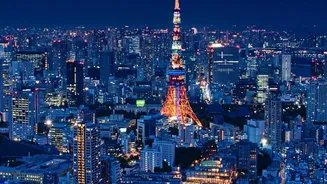
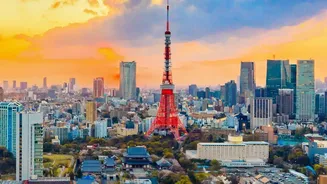
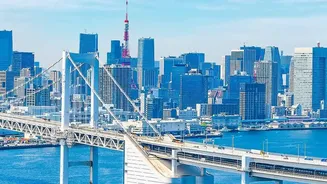
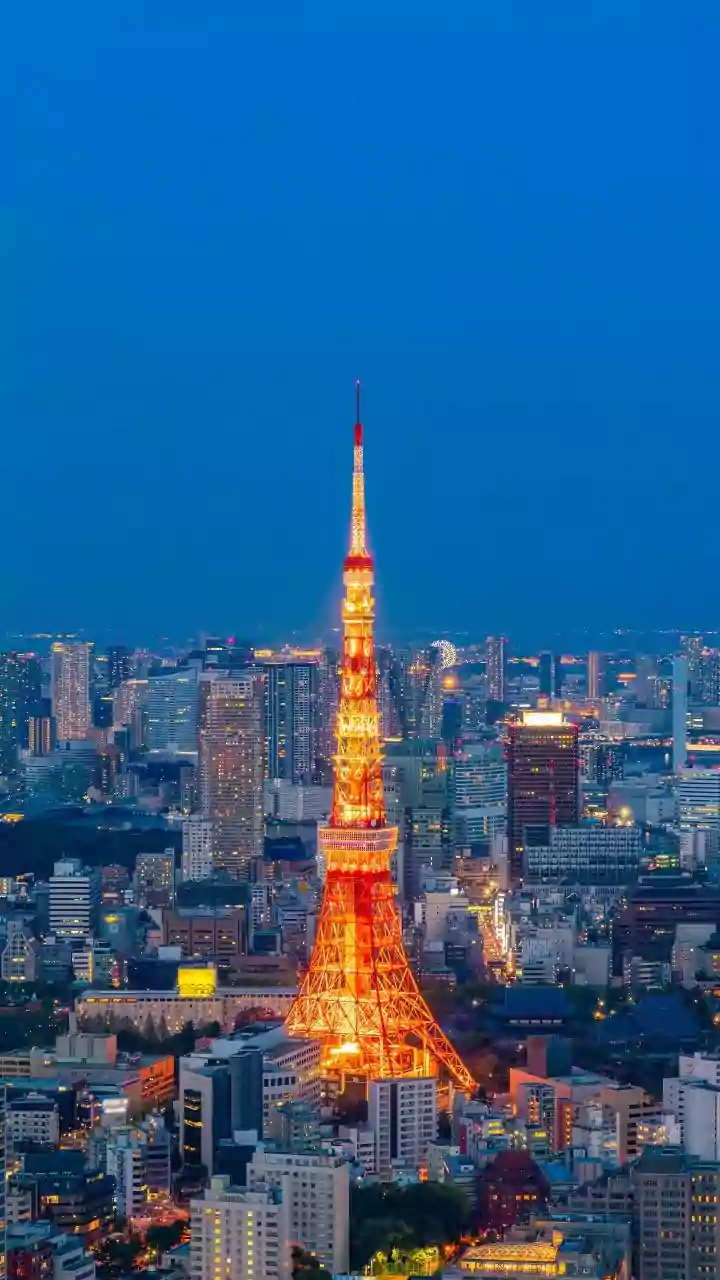
The primary motivation behind this law is disaster risk management. Tokyo, the world's most populous metropolitan area, sits in a seismically active region. Government scientists have long warned of the high probability—some estimates say 70% within the next 30 years—of a major earthquake striking directly beneath the capital. The memory of past disasters, like the 1923 Great Kanto Earthquake which devastated Tokyo, looms large. A modern-day equivalent could not only cause immense human suffering but also paralyze Japan's government and economy, with global repercussions. The new law is essentially a national insurance policy against a worst-case scenario, creating redundancy to maintain core functions when they are needed most.
More Than Just a Backup
While disaster preparedness is the main driver, the law also has a second, equally important objective: decentralization. For decades, policymakers have been concerned about the immense concentration of population, business, and culture in Tokyo, which has led to overcrowding in the capital and economic stagnation in other parts of the country. By designating secondary capital functions, the government hopes to stimulate regional economies. The law includes provisions for deregulation and tax incentives to encourage private investment in the designated areas. This represents a significant effort to build a more multipolar, resilient economic structure, moving beyond the Tokyo-centric model that has defined modern Japan.
Who Are the Contenders?
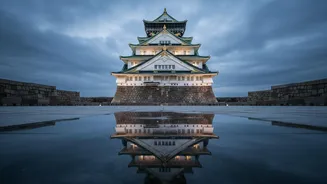
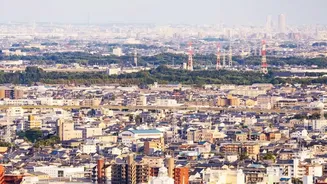
The law itself does not name any specific city, instead creating a process for prefectures to apply for the designation. However, there is already intense speculation and political maneuvering. The Osaka area, championed by the Japan Innovation Party (JIP), a key partner in passing the bill, is seen as a primary frontrunner. The JIP has long promoted the idea of Osaka, Japan's third-largest city, as a western hub to counterbalance Tokyo. Other major cities, such as Nagoya and Fukuoka, have also been mentioned as potential candidates. The final decision will involve complex negotiations, but the goal may be to designate multiple regions to distribute the functions and benefits more widely across the country.
A Long Road Ahead
Enacting the law was a critical first step, but the real work is just beginning. The legislation is a framework statute, meaning the specific details must now be worked out. Within the next year, the government is required to formulate a basic policy, outlining which government functions could be moved, how roles would be divided in both normal times and emergencies, and the vision for financing such a monumental undertaking. The costs will be substantial, likely running into the trillions of yen for new facilities and infrastructure. It is an ambitious, multi-decade project that will test Japan's political will and financial capacity, but one that leaders have deemed essential for the nation's long-term security and vitality.