
An Ambitious Product Offensive
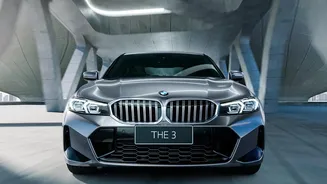
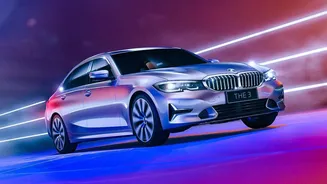
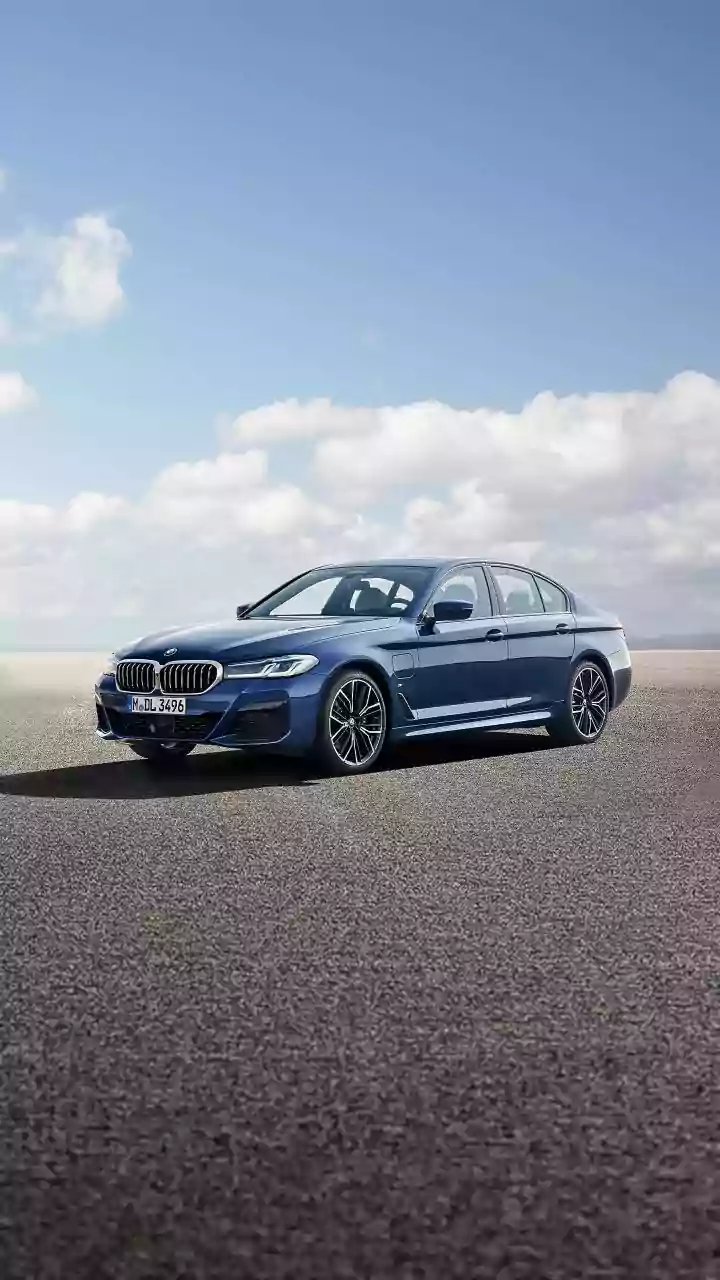
In one of its most aggressive moves in the Indian market to date, BMW Group India has confirmed a massive product rollout for the remainder of 2026. After launching 11 products in the first half of the year, the company is preparing to introduce 14 more
by December. This brings the total for the year to 25 new and refreshed models across its BMW and MINI brands, an unprecedented number for the automaker in India. The announcement comes on the heels of a record-breaking sales performance. The company’s sales grew 17% in the first quarter of 2026, and it managed to overtake its chief rival, Mercedes-Benz, in retail sales during the first half of the year. This product blitz is designed to capitalize on that momentum and solidify its position in the fiercely competitive luxury segment.
What's Driving into Showrooms?
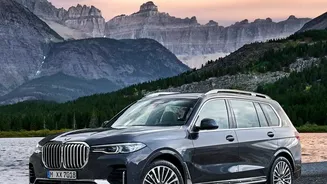
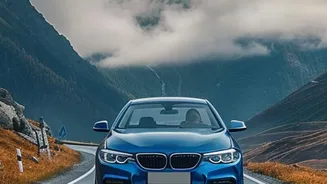
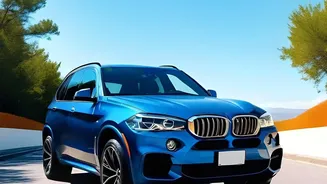
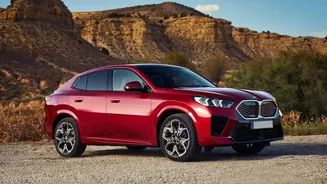
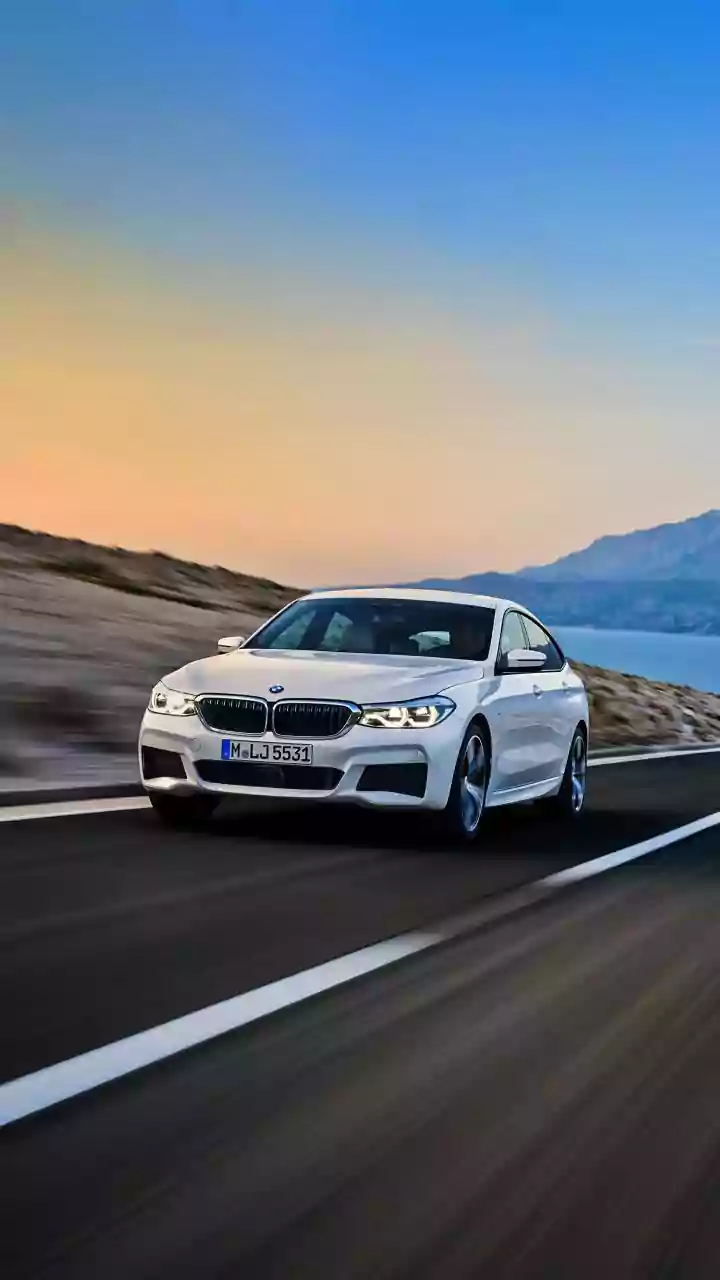
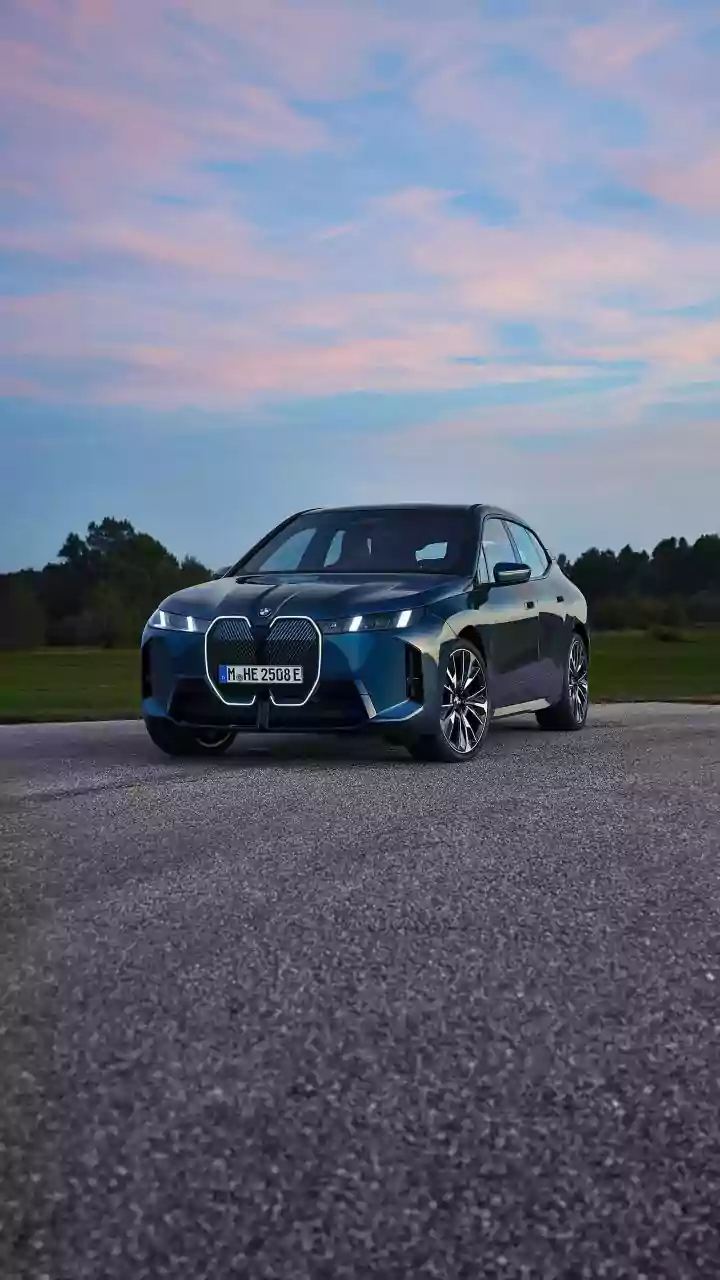
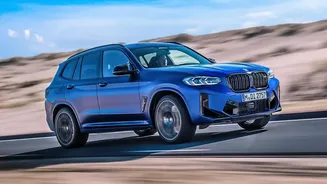
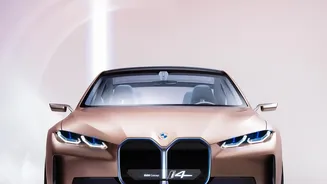
The upcoming lineup is a diverse mix aimed at multiple segments of the premium market. While exact model details are being released sequentially, the strategy clearly focuses on key growth areas: electric vehicles (EVs), high-performance 'M' models, and core luxury sedans and Sports Activity Vehicles (SAVs). Electric models are a huge part of this push, with EVs already accounting for over a quarter of BMW's sales in India. New models based on the next-generation 'Neue Klasse' architecture, such as an electric sedan (i3) and an SUV (iX3), are expected to feature prominently. Car enthusiasts can also look forward to facelifts for popular models like the 4 Series and its electric counterpart, the i4, alongside performance-oriented M editions. The expansion also includes strengthening its core offerings with updates to the immensely popular X5 and X7 SUVs.
The Strategy Behind the Surge
This isn't just about launching more cars; it's a calculated strategy to deepen its market penetration. A key pillar of this plan is increased localization. BMW is working to increase the amount of locally sourced components at its Chennai plant beyond the current 50% mark. This helps insulate the company from high import duties and volatile exchange rates, allowing for more competitive pricing on its 'Made-in-India' luxury cars. Another critical part of the strategy is network expansion. Alongside the new models, BMW is expanding its retail presence to 50 cities by the end of the year, reaching into growing Tier-2 and Tier-3 cities where a new wave of luxury buyers is emerging. This dual approach of a wider product portfolio and a broader physical footprint is designed to make the brand more accessible to more people.
Heating Up the Luxury Car Race
BMW's aggressive posture is a direct challenge to the long-standing dominance of Mercedes-Benz and a move to further distance itself from a struggling Audi. For the first time in over a decade, BMW surpassed Mercedes-Benz in quarterly sales earlier this year, signaling a potential shift in the market's hierarchy. Mercedes-Benz has long held the top spot through consistent product launches and a strong brand presence. However, BMW's early and decisive move into the premium EV space has paid off significantly, giving it a crucial advantage as Indian consumer interest in electric mobility accelerates. With Audi facing challenges related to a slower product refresh cycle and a more cautious EV strategy, the battle for India's luxury crown is increasingly becoming a two-horse race between BMW and Mercedes-Benz.