




The Allure of the 'Mountain Lake'
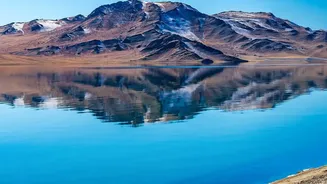
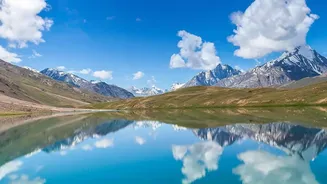
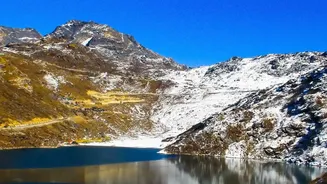
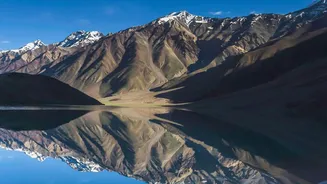
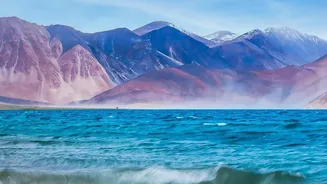
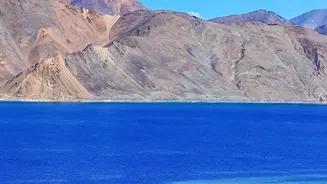
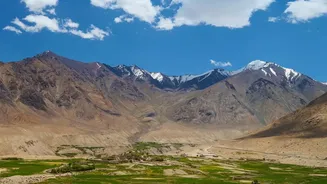
Tso Moriri, which translates to 'Mountain Lake', is a breathtaking expanse of water situated at an altitude of over 4,500 metres. Unlike its more famous cousin, Pangong Tso, Tso Moriri offers a quieter, more serene experience, largely due to its relative
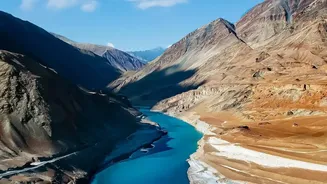
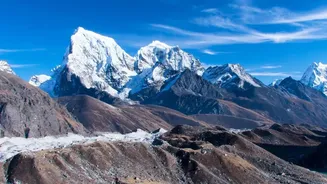
remoteness and protected status. The lake is the heart of the Tso Moriri Wetland Conservation Reserve, a designated Ramsar site that is crucial for its unique ecosystem. It is the only breeding ground in India for the endangered black-necked crane, and a vital habitat for other species like the bar-headed goose. This protected status means that the landscape remains raw and pristine, offering visitors a glimpse into the untouched beauty of the trans-Himalayan region. The journey itself, roughly 240 kilometres from Leh, is an adventure, winding through starkly beautiful mountainscapes.
Permits and Fees in 2026: What's Required?
As Tso Moriri is located near the Line of Actual Control, permits are mandatory for all visitors, both Indian and foreign nationals. For Indian tourists, the old Inner Line Permit (ILP) system has been simplified. While the stamped ILP is no longer required, you must pay the Ladakh Environment Fee online before your trip. This includes a one-time environment fee of ₹400 and a wildlife fee of ₹20 per day. Foreign nationals must obtain a Protected Area Permit (PAP). This is typically arranged through a registered travel agent in Leh and is required for accessing restricted areas including Tso Moriri, Nubra Valley, and Pangong Tso. All permits can be processed through the official Leh administration portal (lahdclehpermit.in). It is essential to carry multiple printed copies of your permit and fee receipt, as you will need to submit them at various checkpoints.
Responsible Stays: Accommodation and Camping Rules
One of the most important regulations at Tso Moriri is the strict ban on camping or any construction directly on the banks of the lake. This rule is in place to protect the fragile ecosystem and the nesting grounds of migratory birds. All accommodation is located in and around the nearby Korzok village. Options range from basic homestays, offering an authentic experience with local families, to more comfortable tented camps with private bathrooms and better amenities. In 2026, homestays typically cost between ₹800 and ₹1,200 per person, while deluxe camps can range from ₹1,500 to ₹3,000 per night, usually including dinner and breakfast. It's advisable to book in advance, especially during the peak season of June to August. Even if you have your own camping gear, you must pitch your tent in designated areas near the village, not by the water's edge.
When to Go and What to Expect
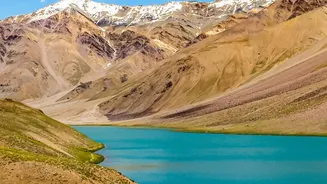
The best time to visit Tso Moriri is from May to September. During these months, the weather is most favourable, and the lake displays its most spectacular shades of blue. September, in particular, is considered an excellent time as the summer crowds thin out, the skies are exceptionally clear, and the autumn colours create a magical landscape. While roads are generally open during this period, conditions can change rapidly due to weather. Always check the latest road status with local authorities in Leh before you depart. The primary route from Leh via Chumathang is generally in good condition, but a high-clearance vehicle is recommended for comfort and safety. Acclimatisation is crucial; plan to spend at least two full days in Leh (at 11,500 feet) before ascending to Tso Moriri (at 14,836 feet) to avoid Acute Mountain Sickness (AMS).