



Know the Two Contenders: Ceylon vs. Cassia
First, understand that two main varieties are sold as cinnamon. Ceylon cinnamon (Cinnamomum verum or Cinnamomum zeylanicum) is known as 'true cinnamon'. It is native to Sri Lanka and Southern India and is prized for its delicate, sweet flavour. The other
is Cassia cinnamon, a group of species including Cinnamomum cassia (Chinese), Cinnamomum burmannii (Indonesian), and Cinnamomum loureiroi (Saigon). Cassia is what you'll find in most supermarkets; it's cheaper, with a stronger, spicier taste. The vast majority of cinnamon sold globally is the Cassia variety.
Check the Label and Origin
The most straightforward step is to read the packaging. A product that is genuine Ceylon cinnamon will be proudly labelled as such. Look for the terms "Ceylon cinnamon," "true cinnamon," or its botanical name, Cinnamomum verum. If the label simply says "cinnamon" or "dalchini" without specifying the type, it is almost certainly the less expensive Cassia variety. The country of origin is another big clue; authentic Ceylon cinnamon primarily comes from Sri Lanka.
Examine the Stick's Structure
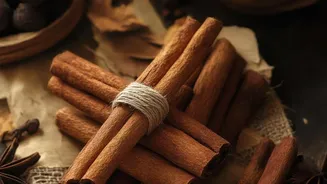
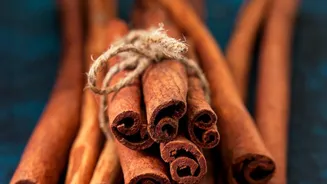
If you are buying whole cinnamon sticks, or quills, the visual difference is stark. Ceylon cinnamon sticks are composed of many thin, paper-like layers of bark rolled together into a tight, cigar-like stick. These layers make the stick soft and brittle, easy to crumble between your fingers. In contrast, Cassia sticks are typically a single, thick layer of bark that curls inward from both sides, forming a hollow tube. They are much harder, woodier, and difficult to break by hand.
Look at the Colour and Texture
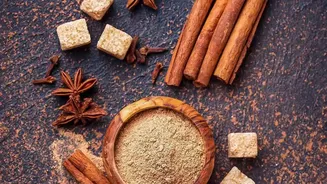
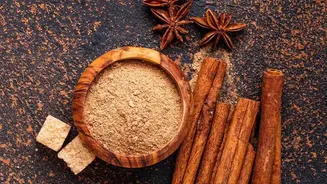
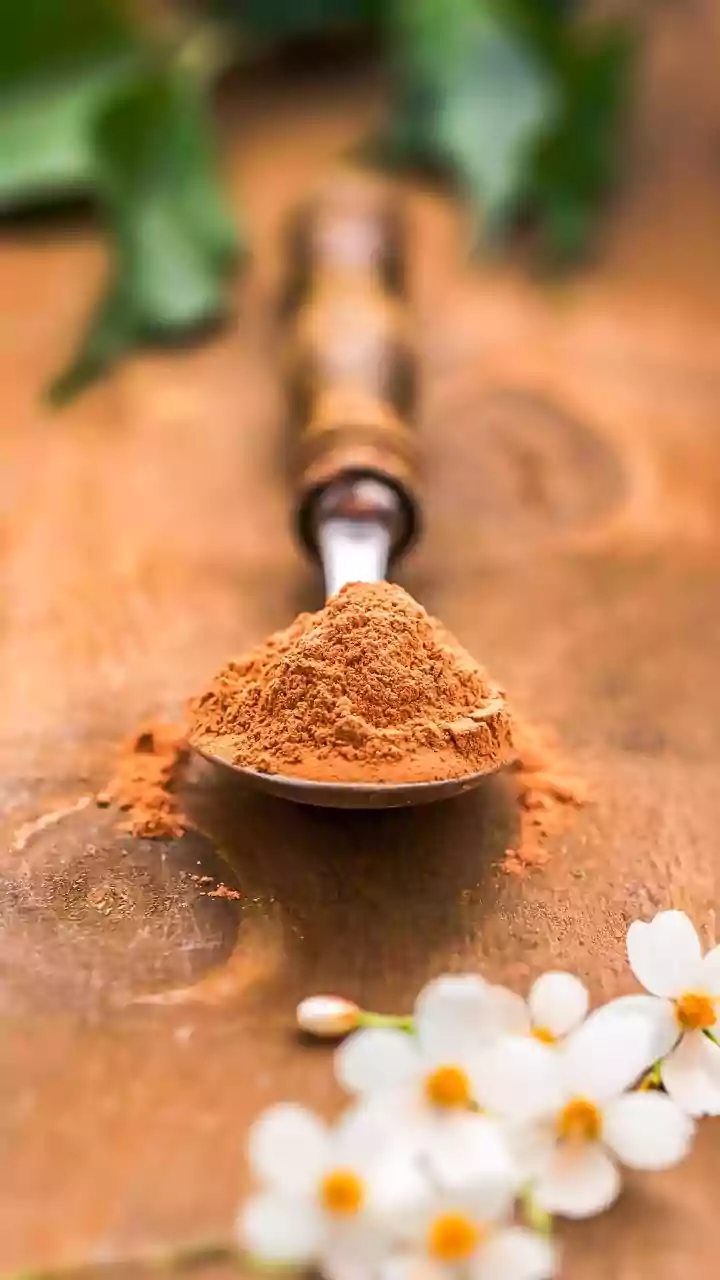
Colour provides another hint. Genuine Ceylon cinnamon is a light, tan-brown colour. Cassia is typically darker, with a reddish-brown or even dark brown hue. This difference is most apparent in whole sticks but can sometimes be seen in the ground powder, where Ceylon is a lighter, sandier colour compared to the deeper red of ground Cassia. The texture of a Ceylon quill is fine and brittle, while Cassia is thick and rough.
Use Your Senses: Smell and Taste
The aroma and flavour profiles are distinctly different. Ceylon cinnamon has a mild, sweet, and complex fragrance with subtle floral and citrus notes. Its taste enhances food without overpowering it. Cassia, on the other hand, has a very strong, pungent, and spicy aroma and flavour. It delivers the bold, 'hot' cinnamon taste that many associate with commercial baked goods and candies. If the scent is overwhelmingly strong and spicy, it's likely Cassia.
Consider the Price
Finally, the price can be a giveaway. The process of harvesting and hand-rolling the delicate inner bark for Ceylon cinnamon is labour-intensive, making it a more premium and expensive spice. Cassia is cheaper to produce and is therefore sold at a much lower price point. If you find cinnamon being sold very cheaply, it is highly unlikely to be true Ceylon. A higher price often reflects the superior quality and careful sourcing of genuine Ceylon cinnamon.
Why the Difference Matters
Beyond flavour, there's a health consideration. Cassia cinnamon contains significantly higher levels of a compound called coumarin. While safe in small amounts, high or prolonged intake of coumarin has been linked to potential liver issues. Ceylon cinnamon contains only negligible or trace amounts of coumarin, making it a safer choice for regular, heavy consumption, such as in daily smoothies or health supplements. This makes identifying the correct type particularly important for those who use cinnamon frequently for its potential health benefits.