


A Health and Wellness Awakening
A primary driver of this dietary shift is a growing awareness of health and wellness. With a rise in lifestyle diseases such as diabetes and hypertension, many urban Indians are scrutinizing the nutritional content of their food. Polished white rice and refined
wheat flour, mainstays of the diet promoted since the Green Revolution, have a high glycemic index, which can cause blood sugar spikes. In response, health-conscious consumers are seeking out alternatives that are richer in fibre, protein, and essential micronutrients. This has led to a surge in demand for foods that offer more than just calories, pushing people to explore grains that were once common but have since been forgotten.
The Great Millet Renaissance
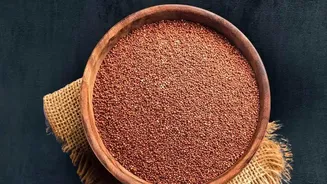
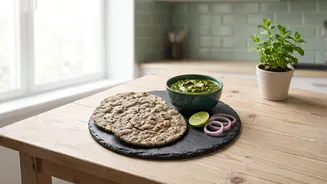
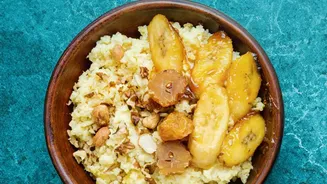
At the forefront of this change is the remarkable comeback of millets. Grains like jowar (sorghum), bajra (pearl millet), and ragi (finger millet) were once staples across India before being sidelined by the push for high-yield rice and wheat. Today, they are being celebrated as 'superfoods' or 'nutri-cereals' for their impressive nutritional profiles. Millets are naturally gluten-free, require significantly less water to grow, making them climate-resilient, and are packed with protein and fibre. Supported by government initiatives, like the declaration of 2023 as the International Year of Millets, and embraced by a new generation of startups, these ancient grains are finding their way back into everything from breakfast porridges to modern snacks.
The Influence of Global and Local Superfoods
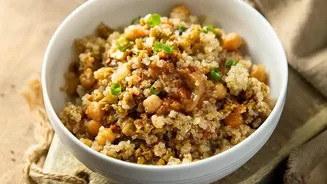
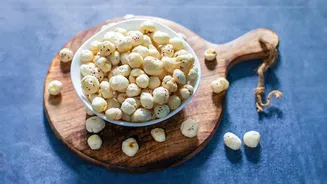
The Indian superfoods market is expanding rapidly, with a projected value of over USD 13 billion by 2034. This trend isn't just about imported products like quinoa and chia seeds, which have found a firm footing in urban kitchens. There is also a renewed appreciation for indigenous superfoods. Ingredients like jackfruit, amaranth (rajgira), and moringa (drumstick leaves), long-standing elements of traditional diets, are being rediscovered for their health benefits. This movement represents a fusion of global trends and local wisdom, where consumers are just as likely to add flaxseeds to their smoothie as they are to cook with traditional, nutrient-dense local greens.
Questioning the Quality of Modern Staples
Concerns have also emerged about the nutritional quality of the high-yield varieties of wheat and rice that dominate the market. Some recent studies have suggested that decades of breeding for higher yields may have inadvertently led to a decline in essential micronutrients like zinc and iron in these grains. These findings, coupled with reports on the accumulation of toxins from the soil, have prompted some consumers to seek out more traditional or organically grown varieties that are perceived as safer and more nutritious. This search for quality is pushing consumers to look beyond the convenience of mass-produced staples.
Not a Rejection, but an Evolution
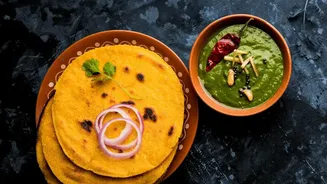
This shift is not necessarily a rejection of traditional Indian cuisine but rather an evolution of it. Many are realizing that the Indian diet was historically far more diverse than the modern plate suggests. Before the Green Revolution, millets constituted a significant portion of all cultivated grains in India. The current movement can be seen as a return to these diverse culinary roots. It's about expanding the food basket to create a more balanced, nutritious, and sustainable way of eating that reflects both ancient wisdom and modern health knowledge. Consumers are not giving up rice and wheat entirely, but are integrating a wider variety of grains into their diets.