




The Golden Age of Spice
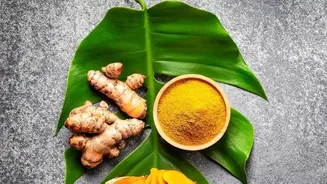
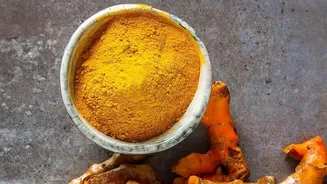
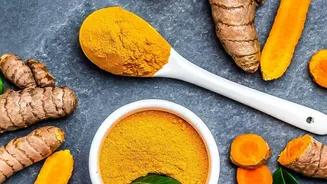
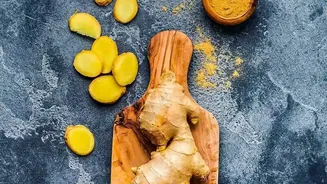
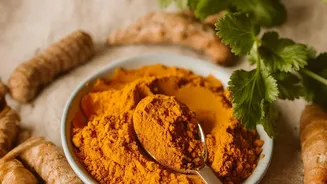
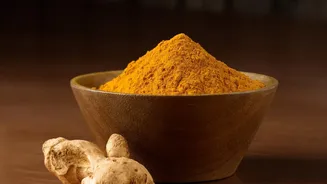
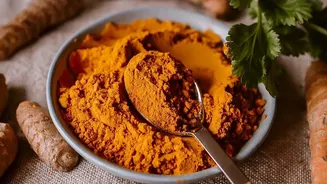
It’s impossible to ignore the wellness boom surrounding turmeric and ginger. These rhizomes, relatives in the same plant family, have been staples in Indian kitchens and Ayurvedic traditions for millennia. Today, their active compounds—curcumin in turmeric and gingerol
in ginger—are celebrated for their anti-inflammatory and antioxidant properties. This has propelled them from the masala dabba to the forefront of the global health conversation. From supplements and powders to trendy cafe drinks, they are marketed as potent healers for everything from joint pain to poor digestion. But as their popularity soars, it’s crucial to separate the scientific reality from the marketing hype.
A Kitchen Staple, Not a Pharmacy
Here’s the important distinction: the turmeric and ginger you use in your daily dal and sabzi are not the same as a high-potency supplement. Most studies highlighting significant health benefits use concentrated extracts of curcumin and gingerol, often in doses far higher than what you’d consume in a typical meal. Furthermore, the active compound in turmeric, curcumin, has notoriously low bioavailability, meaning your body struggles to absorb it on its own. This is why many supplements are formulated to enhance absorption. While eating these spices regularly contributes to overall well-being, they are not a substitute for professional medical treatment. Think of them as part of a healthy lifestyle, not a magic bullet to cure disease.
The Built-In Wisdom of Indian Cooking
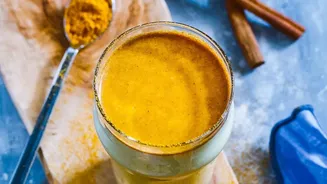
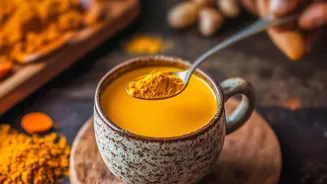
Interestingly, traditional Indian cooking methods have long accounted for the science we are just now understanding. For centuries, our cuisine has intuitively paired turmeric with two things that dramatically boost its absorption: fat and black pepper. Curcumin is fat-soluble, so cooking it in ghee or oil helps the body absorb it. Black pepper contains piperine, a compound that can increase curcumin’s bioavailability by up to 2,000%. That pinch of black pepper in your haldi doodh or the tadka sizzling in ghee isn't just for flavour; it’s an ancient culinary hack that unlocks the spice's full potential in a gentle, food-based way.
A Symphony of Flavour
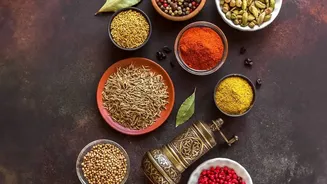
Beyond their health halo, let's not forget why turmeric and ginger became so essential in the first place: their incredible flavour. Turmeric provides an earthy, warm, and slightly bitter note, lending a beautiful golden hue to everything it touches. Ginger offers a pungent, spicy kick that cuts through richness and adds a fresh, aromatic layer. Together, they form the flavour base of countless Indian dishes, from robust curries and fragrant biryanis to simple lentil dals and vegetable stir-fries. Their role is to create depth, balance, and complexity. Focusing only on their medicinal value overlooks their primary and most delicious purpose: to make food taste wonderful.
Bringing Them to Your Table
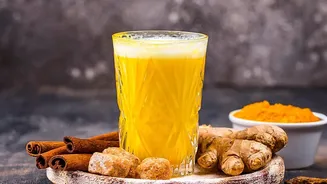
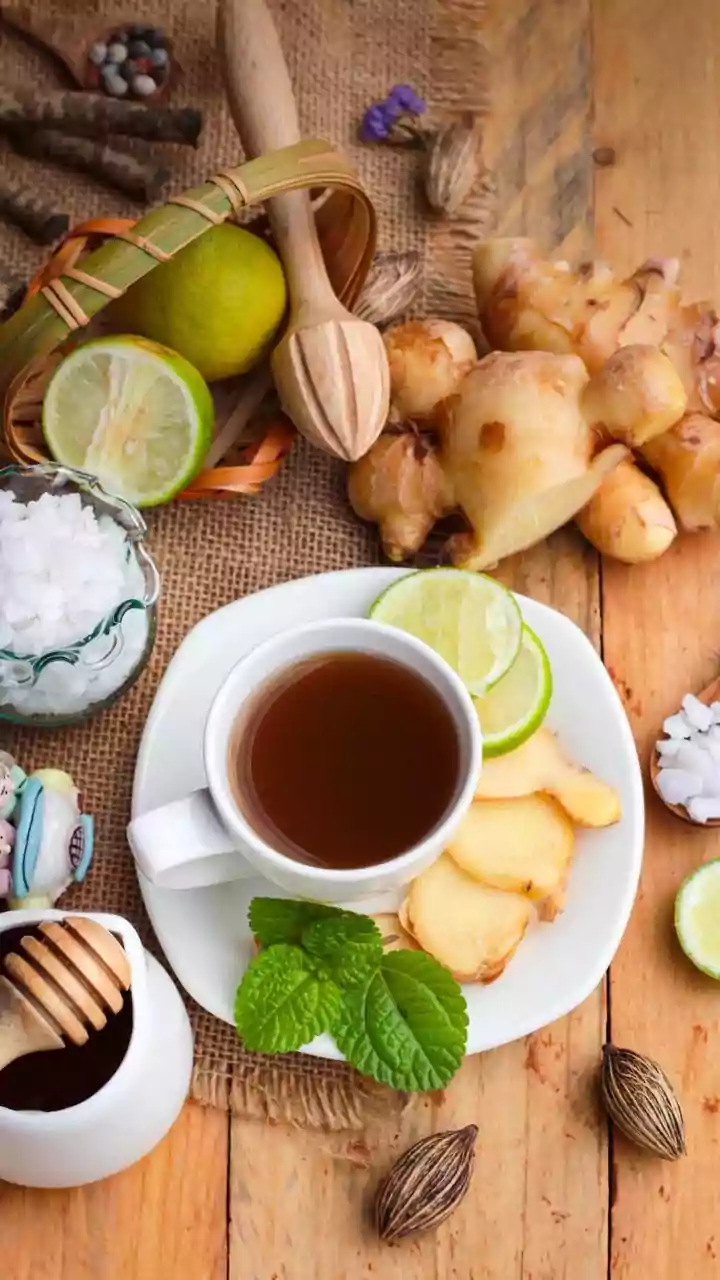
Integrating these spices into your daily diet doesn’t have to be complicated. It’s about embracing them as everyday ingredients. Start your day with a simple tea made by simmering fresh grated ginger and a pinch of turmeric powder in hot water. Add finely minced ginger to your salad dressings for a zesty kick. Grate fresh turmeric and ginger into marinades for chicken or fish to add both colour and flavour. Even a simple pot of rice can be elevated by adding a half-teaspoon of turmeric to the cooking water. Using them fresh or powdered in your everyday cooking is the most balanced and safest way to enjoy their benefits without the risks associated with high-dose supplements.