


A Terrifying Jolt Over Thailand
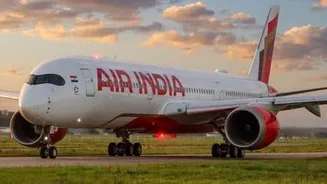
On August 4, 2026, passengers on Air India flight AI2379 from Phuket to Delhi experienced a terrifying few moments. While cruising at altitude, the Airbus A320neo hit a pocket of severe clear-air turbulence, causing a rapid altitude drop of around 300
feet. The sudden event threw unbuckled passengers and crew around the cabin, with some hitting the ceiling. Eyewitness accounts described a chaotic scene, with many travellers who were sleeping or resting without their belts on being violently tossed from their seats. In the end, the aircraft landed safely in Delhi, but 17 people—13 passengers and four crew members—required hospital evaluation for injuries ranging from head and neck injuries to cuts and bruises. The incident serves as a powerful, real-world example of the forces at play during severe turbulence and the very real dangers of being unsecured.
The Invisible Threat: Clear-Air Turbulence
What makes incidents like the one on the Air India flight so dangerous is that the cause is often invisible. While many associate turbulence with thunderstorms and clouds, the most unpredictable type is Clear-Air Turbulence (CAT). CAT is caused by clashes between air masses moving at different speeds, often near high-altitude jet streams. It cannot be seen by pilots or detected by conventional weather radar, meaning it can strike without any warning. This is precisely why aviation authorities and airlines are so insistent about seatbelt use. Pilots cannot always anticipate and warn passengers about every jolt. In fact, studies have shown that climate change may be increasing the frequency of CAT, making the skies more unpredictable than in the past.
Why 'Seatbelt Sign Off' Doesn't Mean 'Safe to Unbuckle'
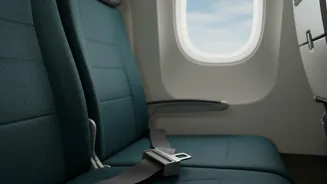
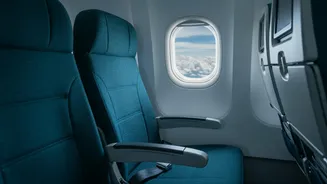
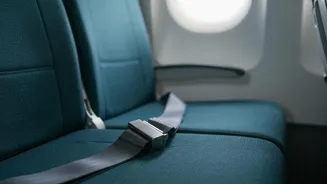
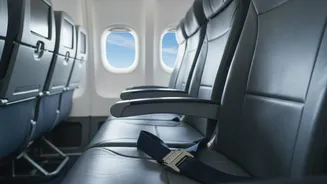
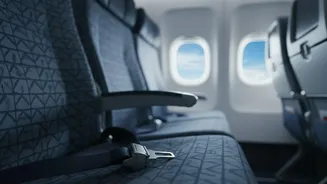
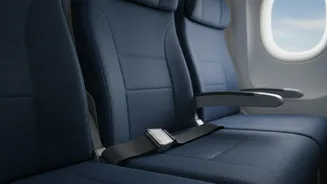
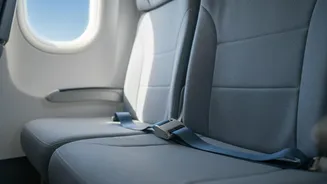
It’s a common habit for flyers: the moment the seatbelt sign chimes off, belts are unfastened for comfort. However, aviation experts and flight attendants universally agree this is a risky practice. The flight crew turns the sign off when the aircraft has reached a generally stable cruising altitude, but this is no guarantee against sudden, unexpected turbulence. Pilots and safety professionals often say they keep their own belts fastened whenever they are seated, even if loosely. The rule is simple: if you are in your seat, you should have your seatbelt on. The vast majority of injuries from turbulence happen to people who are not buckled in. An unbuckled body can become a projectile, posing a risk not only to yourself but also to fellow passengers.
Your Simple In-Flight Safety Plan
While severe turbulence is statistically rare, being prepared is easy and effective. The single most important thing you can do is keep your seatbelt fastened whenever you are seated. FAA regulations require it during taxi, takeoff, and landing, and whenever the seatbelt sign is on, but for maximum safety, it should stay on throughout the flight. If you need to get up to use the lavatory or stretch, be mindful and make the trip as efficient as possible. Ensure any carry-on luggage is securely stowed in the overhead bin or under the seat in front of you, as these can also become dangerous projectiles. For those travelling with children under two, the safest place is a government-approved child seat, not on a lap. Ultimately, paying attention to crew instructions is paramount; they are trained professionals whose primary job is to ensure your safety.