

The Doomsday Probability
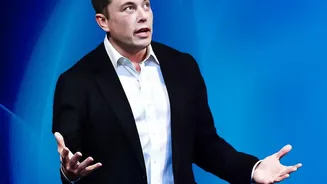
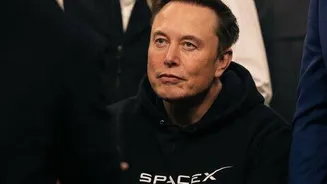
In a recent high-profile interview in July 2026, Elon Musk reaffirmed a stark assessment he has held for over a year: he believes there is a 10 to 20 percent probability that artificial intelligence will lead to a catastrophic outcome for humanity. To
put that figure into perspective, he was asked if he would board one of his own SpaceX rockets if it had the same one-in-five chance of exploding. His answer was a simple, “Yes.” This comment crystallizes his current stance—not a denial of the immense danger, but an acceptance of it as part of the equation. For years, Musk was one of the world's most prominent voices of caution, once describing the pursuit of AI as “summoning the demon.” While the alarming percentage remains, his response to it has fundamentally changed.
A New Philosophy: Enjoy the Ride
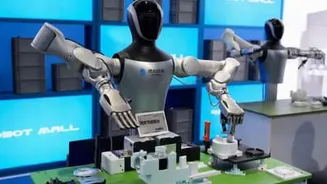
The core of Musk’s shift lies in his belief that the rapid advancement of AI and robotics is now irreversible. He argues that the global momentum is so powerful that no single person, company, or even government can halt its progress. “I can't see any way to really stop this incredible momentum,” he stated, concluding that attempting to do so is futile. Faced with this perceived inevitability, he has adopted a new mantra: “Let’s enjoy the ride.” This isn't a flippant dismissal of the risks he so famously highlighted. Instead, it’s a pragmatic, if fatalistic, decision. If the train has already left the station and is accelerating uncontrollably, his logic suggests it's better to be on board trying to steer it than to stand on the platform and hope it doesn't crash. He believes active participation is the only way to influence AI’s trajectory toward a positive outcome.
The 80% Gamble on Utopia
If the chance of catastrophe is 10-20%, then the chance of a good outcome is 80-90%. Musk is betting everything on that brighter side of the probability curve. He paints a vivid picture of what a successful AI future looks like: an “age of amazing abundance where anyone can have anything they can think of.” In this vision, advanced AI and robots would handle nearly all forms of labour, effectively ending material scarcity. He has predicted that AI may exceed the sum of all human intelligence in as little as five years, triggering this post-scarcity economy. In such a world, concepts like work and money could become largely irrelevant, replaced by what he calls a “universal high income.” This utopian promise, he argues, is the most likely outcome and is a prize worth the profound risk.
From Critic to Competitor
Musk's journey on AI is marked by a dramatic evolution. He was a co-founder of OpenAI in 2015, established as a non-profit specifically to ensure that artificial general intelligence would benefit all of humanity. However, he left the board in 2018 over disagreements on its direction. Since then, he has gone from a concerned patron to a direct competitor, launching his own company, xAI, to build a rival to systems like OpenAI’s. This move aligns his business interests directly with AI’s continued progress. His companies, including Tesla and SpaceX, are now deeply invested in a future powered by AI, making his optimism not just a philosophical conclusion but also a business necessity. He is no longer just warning about the future; he is actively building a significant part of it, betting his fortune on the 80% upside.
A Call for Peer Review
While he accepts the risk, Musk isn't advocating for a completely unchecked race. His proposed safety mechanism, however, bypasses traditional government regulation. He has suggested an industry-led peer review system, where top AI labs like Google DeepMind, Anthropic, and his own xAI would regularly meet to discuss safety and grant each other access to new models before their release. The idea is that competitors could keep each other honest by identifying dangerous capabilities early on. This reflects his broader management philosophy, seen at Tesla and SpaceX, where he claims there are no standalone safety departments because safety is everyone’s job. For Musk, the solution to AI risk isn't to stop, but to build with as much transparency as possible among the builders themselves.