



Understanding the Magic of Fermentation
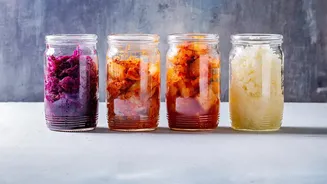
Fermentation is a traditional preservation method where microorganisms, like good bacteria and yeast, transform the sugars in food. This process not only creates the distinct tangy flavours we love in foods like yogurt and kimchi but also produces compounds
like lactic acid, which naturally inhibit the growth of harmful bacteria that cause spoilage. Think of it as controlled microbial growth that enhances flavour, texture, and can make some nutrients easier to digest. This age-old technique is responsible for a wide variety of foods, from sauerkraut and kefir to staples like idli and dhokla.
The Golden Rules of Food Safety
While fermentation is a natural process, it's not foolproof. Safety starts with hygiene. Always begin with clean hands, sanitized jars, and fresh ingredients. Cross-contamination is a real risk, so using clean utensils every time you dip into your jar of pickles or kimchi is crucial. Pathogens like E. coli and Salmonella can be introduced if proper hygiene isn't followed. The amount of salt in vegetable ferments is also a critical safety measure, not just for flavour. It helps create an environment where beneficial bacteria can thrive while suppressing harmful ones. Never reduce the salt called for in a trusted recipe.
How to Spot a Ferment Gone Wrong
Trust your senses. A properly fermented food should smell pleasantly sour or tangy. If it smells rotten, putrid, or like garbage, something has gone wrong. Visually, look out for fuzzy mould in colours like green, black, blue, or pink; this is a definite sign of spoilage and the entire batch should be discarded. Don't confuse this with kahm yeast, a harmless, flat, white film that can sometimes form on the surface and be skimmed off. An unusual slimy texture is another red flag. While some cloudiness in the brine and bubbles are normal signs of active fermentation, any significant, unpleasant changes in smell, colour, or texture mean it's safest to throw it out.
Proper Storage for Lasting Freshness
Storage is key to managing your ferments. While vegetables are actively fermenting, they should be kept in a cool, dark place, ideally between 68 and 72 degrees Fahrenheit. Exposure to direct sunlight or high heat can disrupt the process. It's vital to keep the food fully submerged under the brine to prevent exposure to air, which can lead to mould. Once the ferment has reached a flavour you enjoy, moving it to the refrigerator is the best way to slow the fermentation process way down, preserving its taste and texture for weeks or even months. Always use airtight, food-grade containers, as metals can react with the acid in the ferment.
The Probiotic Promise: A Reality Check
Fermented foods are often celebrated for their probiotic content—live beneficial bacteria that can support gut health. Studies have suggested that a diet rich in these foods may increase gut microbe diversity and lower markers of inflammation. However, it's important to be realistic. Not all fermented foods contain live probiotics; processes like baking and pasteurization kill these microorganisms. The specific strains and quantities of bacteria can vary wildly from one batch to another, especially in homemade products. Some people, particularly those with histamine intolerance or compromised immune systems, may even experience side effects like bloating or headaches. Therefore, it's best to view any probiotic benefits as a potential bonus rather than a guaranteed outcome.