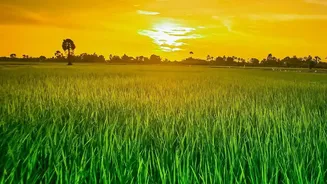



The Allure of Paddy: Economic Certainty
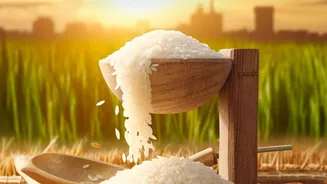
The primary driver behind the move from cotton to paddy is economic stability. For farmers, paddy cultivation is a lower-risk venture largely due to a robust government support system. This includes an assured Minimum Support Price (MSP), which guarantees
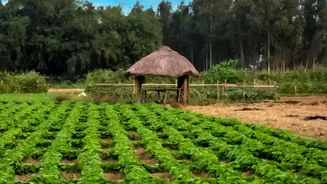
a buyer for their produce at a fixed rate, and timely payments. In contrast, cotton farmers face significant market volatility. Reports from previous years have shown that a large percentage of cotton was sold below the MSP, leaving farmers vulnerable to price fluctuations and the whims of private traders. Furthermore, the government provides free electricity for irrigation, a major input cost that heavily favors the cultivation of thirsty crops like paddy. This combination of guaranteed income and subsidized resources makes paddy a safer and more predictable financial choice, even if other crops might offer higher returns in a good year.
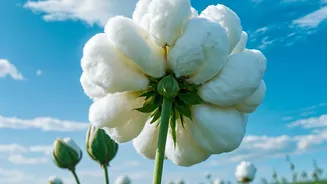
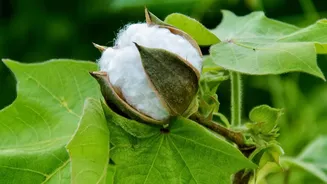
Cotton's Decline: Pests, Weather, and Risk
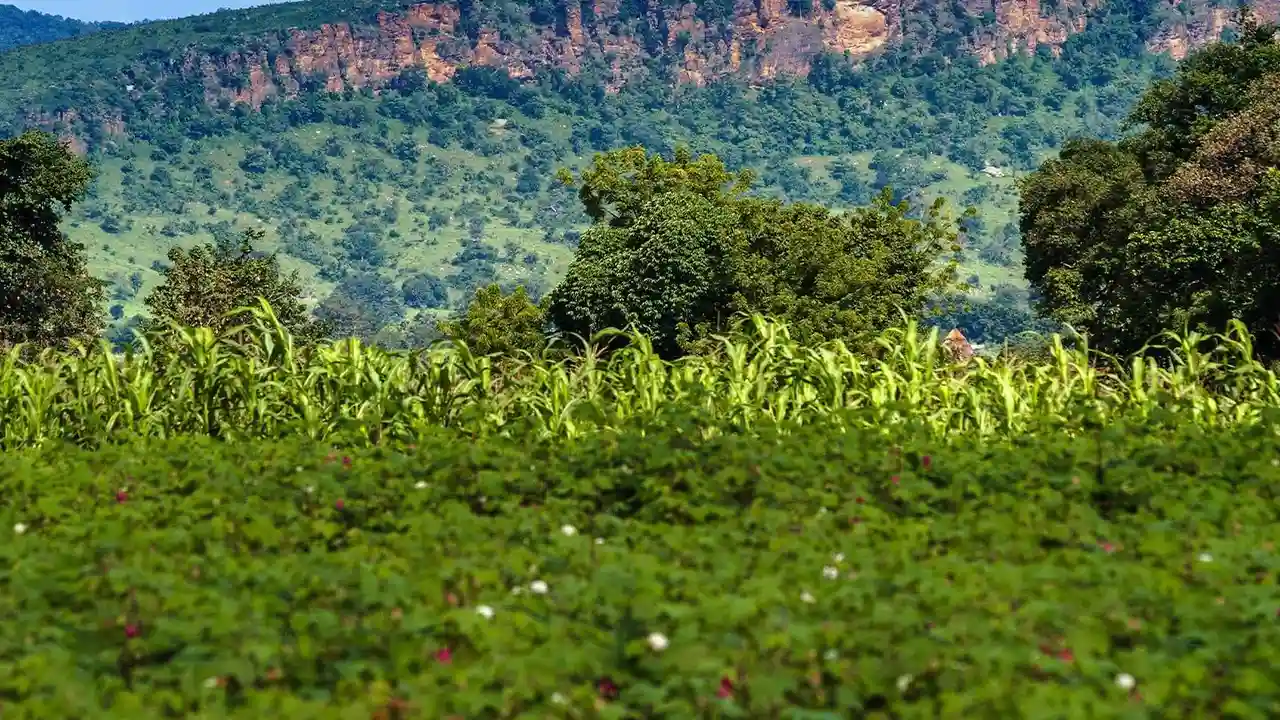
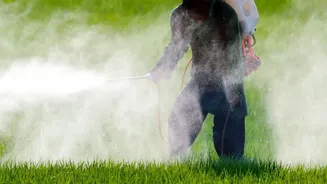
While paddy offers security, cotton cultivation has become fraught with challenges. For years, growers in Punjab have battled recurring and devastating pest attacks, including from whitefly and pink bollworm, which have led to widespread crop failures. These infestations not only destroy yields but also drive up costs due to the need for expensive pesticides. Adding to the uncertainty are erratic weather patterns and unreliable canal water supply in some areas. This decline in profitability and predictability has eroded confidence in cotton, once hailed as the state's "white gold". Many farmers who suffered heavy losses from pest attacks or unseasonal rains have found it easier to switch to paddy, especially with the increased availability of tubewell irrigation making the transition seamless.
The Environmental Toll: A Deepening Water Crisis
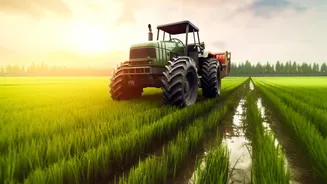
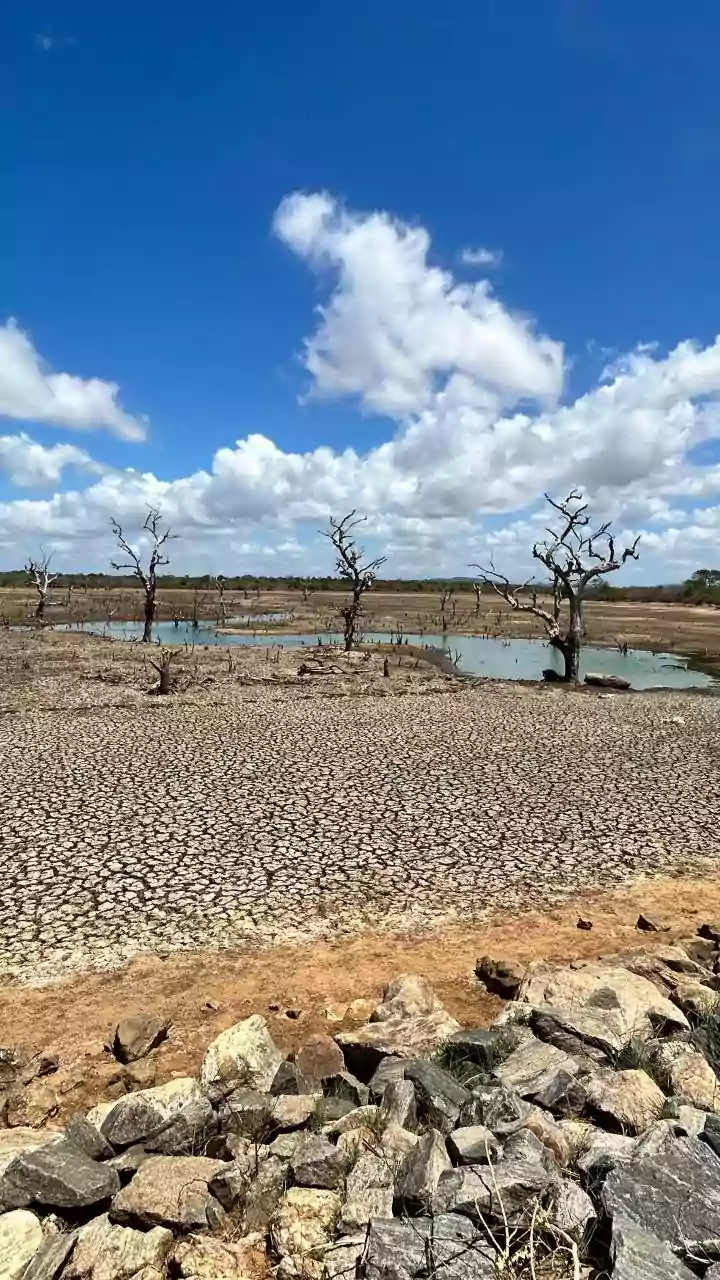
The large-scale shift to paddy has come at a severe environmental cost. Paddy is an extremely water-intensive crop, requiring up to 25-30 irrigation cycles a season. This relentless demand has led to a catastrophic decline in Punjab's groundwater levels. Reports indicate that nearly 80% of the state's groundwater blocks are now classified as over-exploited. Farmers are forced to drill deeper and deeper wells, incurring huge costs for submersible pumps just to access water. Experts have warned for decades that this unsustainable extraction could have dire long-term consequences, turning fertile land barren and jeopardizing the state's agricultural future. The crisis is so acute that if current trends continue, some predict Punjab could face desertification.
Policy in Motion: The Push for Diversification
Recognizing the impending crisis, the Punjab government is actively promoting crop diversification to wean farmers away from paddy. A key initiative is the Kharif maize cultivation scheme, which has been expanded to 16 districts. This scheme provides farmers with a financial incentive of ₹17,500 per hectare to switch from paddy to maize, a less water-intensive crop. The process is digitized to ensure transparency and timely subsidy payments. The broader goal is to encourage a variety of alternative crops, including pulses, oilseeds, and even agroforestry, to restore ecological balance and ensure long-term sustainability. However, experts note that for these schemes to be truly effective, the incentives must be substantial enough to compete with the profitability of paddy and be offered over multiple years.
The Path Forward: A Guide for Stakeholders
For farmers, navigating this transition requires careful consideration. While paddy offers short-term security, the long-term viability is threatened by the very water it depends on. Exploring government diversification schemes for crops like maize is a crucial first step. Staying informed about scientific pest management for cotton, such as techniques recommended by Punjab Agricultural University, can help mitigate risks for those who choose to continue with it. For policy readers, the challenge lies in creating a holistic support system for alternative crops. This means moving beyond one-time incentives and developing robust procurement infrastructure, MSP guarantees, and market linkages for crops like maize, cotton, and pulses. Success will depend on making diversification as economically safe and reliable as the current paddy-wheat cycle. The focus must shift from simply boosting production to ensuring the long-term prosperity and sustainability of Punjab's agriculture.