






Understanding the Lob's Architecture
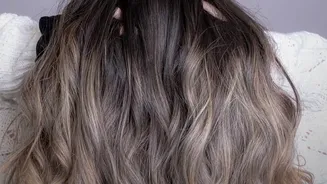
First, it helps to understand what makes a shaggy lob unique. Unlike a classic, blunt lob, this style is all about strategic, dimensional layers. A stylist creates a textured look by cutting shorter layers throughout the hair, especially around the crown
and face, while maintaining a longer baseline. This technique removes bulk, adds movement, and creates that signature 'shaggy' effect. The goal is to look artfully messy, not neglected. The entire shape is a carefully constructed balance of texture and length, designed to look lived-in and modern. It’s this specific architecture that needs preserving.
The Problem with Unchecked Growth
All haircuts lose their shape as they grow, but layered styles like the shaggy lob are particularly susceptible. As your hair grows, the carefully placed layers begin to fall at different, unintended points. The shorter layers that once provided volume at the crown start to lengthen and drag the shape down. The longer pieces just get longer, and the balanced, textured look can quickly become bottom-heavy and shapeless. What was once a deliberate style can start to look like an overgrown, generic cut that has lost all its personality and movement.
More Than Just Snipping Ends
A trim for a shaggy lob is not simply about taking off length. It’s about recalibrating the entire haircut. A good stylist will revisit the internal layers, redefining them to restore volume and movement where it's been lost. They will remove weight from the ends to prevent the style from looking triangular or bulky. Think of it as tuning an instrument; the stylist is restoring the harmony between the different lengths to bring the cut back to life. This process is crucial for preventing the 'shag' from turning into a shapeless mass.
Fighting Frizz and Damage
The shaggy lob relies on healthy-looking texture. When split ends appear, they can make the hair look frizzy, dry, and damaged rather than intentionally styled. Split ends are notorious for traveling up the hair shaft, causing breakage and making hair appear thin and weak. Regular trims are the only real way to stop this damage in its tracks. By snipping off the damaged ends, you maintain the health of your hair, which ensures the texture looks soft and touchable. Healthier hair reflects light better, adding shine and making the entire style look more polished and vibrant.
So, How Often Is 'Regular'?
The ideal frequency for trims depends on your hair's growth rate and texture, but a good rule of thumb for a medium-length, layered style like a shaggy lob is every 8 to 12 weeks. This schedule is frequent enough to maintain the shape without feeling like you live at the salon. Waiting longer can allow the layers to grow out completely, requiring your stylist to perform a more significant reshaping rather than a simple maintenance trim. Sticking to a consistent schedule ensures your lob always looks its best and makes styling at home significantly easier.