





The Hydration Power of Herbal Tea
Before diving into specific herbs, it's important to understand how these brews contribute to hydration. Herbal teas are primarily composed of water, often around 98-99%. Studies have shown that, when consumed in moderation, herbal teas are just as hydrating
as plain water. Unlike caffeinated teas or coffee, most herbal infusions are naturally caffeine-free, meaning they don't have a diuretic effect. This makes them an excellent choice for sipping throughout the day to meet your fluid goals while enjoying a comforting, flavourful beverage. However, it's still best to have plain water as your primary source of hydration.
Peppermint Tea for Bloating and Discomfort
Peppermint is a well-known star in the world of digestive remedies. Its primary active compound, menthol, has antispasmodic properties, which means it helps relax the muscles of your digestive tract. This relaxation can ease symptoms like gas, bloating, and cramps by allowing trapped air to move through more easily. Many people find a warm cup of peppermint tea after a meal particularly effective for soothing feelings of heaviness or indigestion. To prepare, simply steep fresh or dried peppermint leaves in hot water for 7-10 minutes. While it's a go-to for many, those with acid reflux or GERD should be cautious, as peppermint can sometimes worsen their symptoms.
Ginger Tea to Soothe Nausea
For thousands of years, ginger has been a trusted remedy for an upset stomach, particularly for nausea. Research suggests that ginger helps increase the activity of the gastrointestinal tract and can reduce stomach cramps. It's so effective that it's often recommended for motion sickness and morning sickness during pregnancy. Beyond nausea, ginger’s anti-inflammatory properties can provide overall digestive comfort. You can make fresh ginger tea by grating about a tablespoon of fresh ginger, steeping it in boiling water for 10-15 minutes, and then straining. Adding a squeeze of lemon or a teaspoon of honey can enhance the flavour.
Chamomile Tea for Calm and Comfort
Often associated with relaxation and sleep, chamomile is also wonderfully gentle on the stomach. Its anti-inflammatory and antispasmodic properties help soothe the digestive system, making it effective for reducing gas, easing cramps, and even potentially lowering stomach acid. Because stress can be a major trigger for digestive issues, chamomile’s calming effect on the nervous system offers a dual benefit, relaxing both mind and gut. This makes it an ideal, gentle brew for those with sensitive stomachs or stress-related digestive upset.
Fennel Tea to Relieve Gas and Bloating
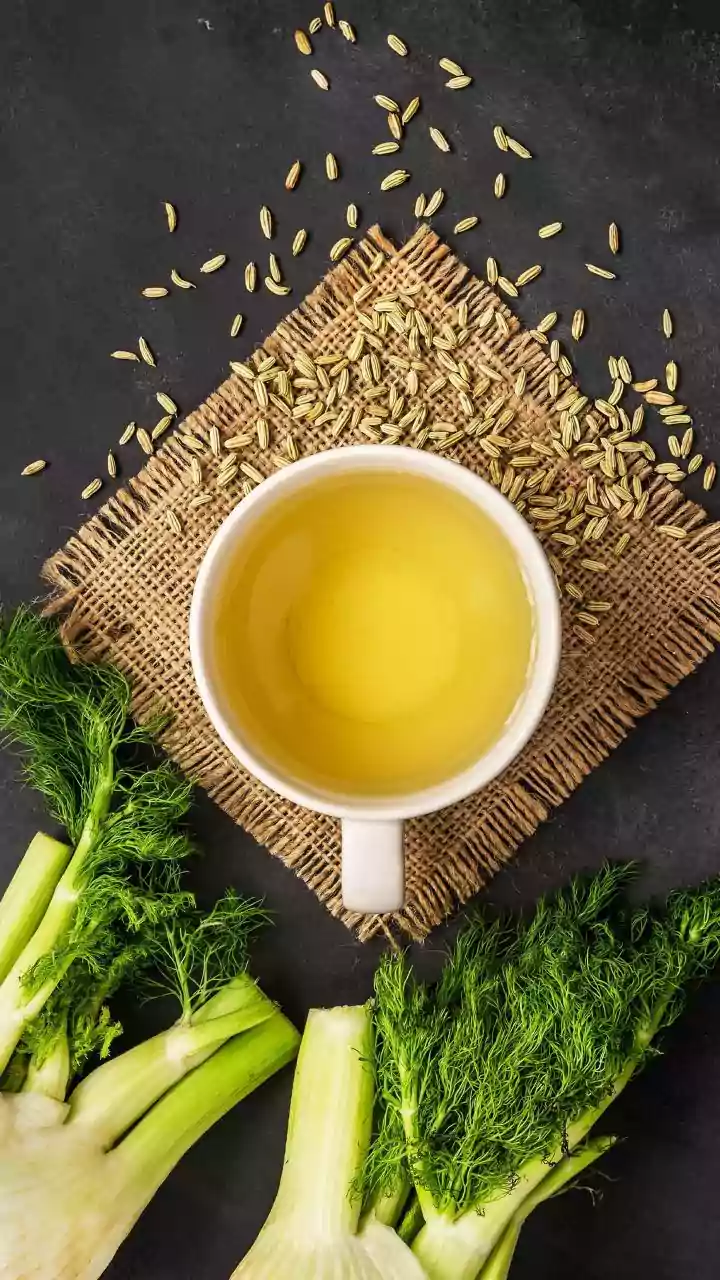
Though perhaps less famous than peppermint, fennel is a powerful herb for digestive health. Fennel seeds are carminative, meaning they help prevent the formation of gas and assist in expelling what's already there. Like peppermint, fennel works by relaxing the smooth muscles in the gastrointestinal system, which can provide relief from bloating and indigestion within about 30 minutes of drinking it. Many cultures have traditionally used fennel to aid digestion after a meal. The tea has a mildly sweet, slightly licorice-like flavour. To prepare, crush fennel seeds and steep them in hot water for about 5-10 minutes.