




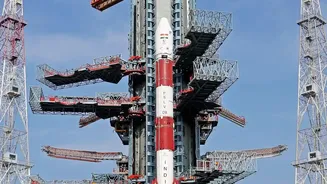
The Whispers from Sriharikota
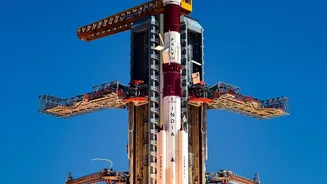
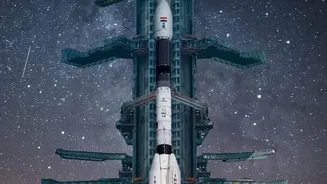
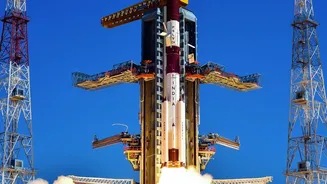
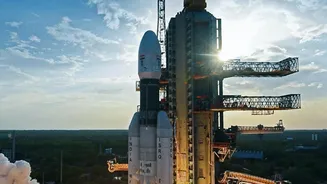
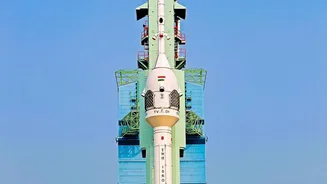
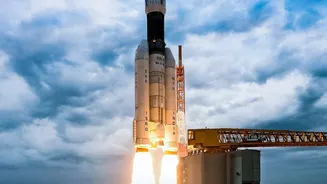
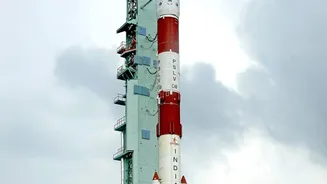
The latest chatter points to a launch window for the NVS-03 satellite between October 15 and 20, 2026. According to multiple media reports, preparations at the Satish Dhawan Space Centre are well underway. The launch campaign reportedly commenced on September
14, and the process of stacking the first stage of the powerful GSLV Mk-II rocket has been completed. The satellite itself is said to be ready and waiting at the spaceport, having received government launch approval earlier in September. Despite these encouraging signs and detailed reports, it's crucial to remember that this timeline remains unofficial. The Indian Space Research Organisation (ISRO) is known for its meticulous, step-by-step approach, and the final, confirmed date will only be announced after all technical and readiness reviews are successfully concluded.
A Critical Mission to Restore NavIC
The NVS-03 launch isn't just another mission; it's a critical one for India's sovereign navigation capabilities. The Navigation with Indian Constellation (NavIC) system, India's homegrown answer to GPS, is currently operating below full strength. A navigation receiver needs signals from a minimum of four satellites to accurately calculate a user's position. Due to the natural retirement of older satellites and the unfortunate failure of the NVS-02 mission to reach its orbit in January 2025, the NavIC constellation currently has only three satellites providing full positioning, navigation, and timing services. While these are sufficient for timing and messaging, they cannot provide standalone navigation. The successful deployment of NVS-03 would restore the crucial four-satellite quorum, bringing the NavIC positioning service back to full functionality for both civilian and strategic users.
Meet NVS-03: The Next Eye in the Sky
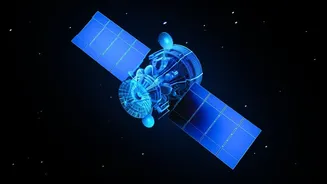
NVS-03 is the third satellite in India's second generation of navigation satellites, designed to be more robust and long-lasting than their predecessors. One of the most significant upgrades is the inclusion of an indigenously developed Rubidium atomic clock. These incredibly precise timekeepers are the heart of any navigation satellite, and failures in imported clocks on the first-generation satellites were a key issue. By developing its own, ISRO has taken a major step towards complete self-reliance. Furthermore, the NVS-series satellites are designed for a longer mission life of 12 years, ensuring the constellation remains healthy and operational for well over a decade. This mission will place NVS-03 into a Geosynchronous Transfer Orbit, from where it will maneuver to its final orbital slot to join the constellation.
NavIC: India’s Strategic Guiding Star
The NavIC system was born from a crucial strategic need. During the 1999 Kargil War, India was denied access to foreign-owned GPS data for the region, highlighting the vulnerability of relying on other nations for critical positioning information. This spurred the development of an independent system. NavIC provides two main services: the Standard Positioning Service (SPS) for all civilian users and an encrypted, more accurate Restricted Service (RS) for military and other authorized users. Its coverage extends over the entire Indian subcontinent and about 1,500 kilometers beyond its borders, making it vital for disaster management, transportation logistics, vehicle tracking, and, most importantly, providing a secure, sovereign navigation backbone for the Indian armed forces.
New Signals for Everyday Devices
Perhaps the most exciting feature of the new-generation NVS satellites, including NVS-03, is the addition of a new signal in the L1 frequency band. This particular band is widely used by civilian GPS receivers across the globe, including those in smartphones, smartwatches, and other personal gadgets. The introduction of the L1 band signal is designed to make NavIC more easily interoperable and integrated into the consumer electronics ecosystem. This move will significantly accelerate the adoption of NavIC among the general public, moving it from a strategic asset to a part of everyday Indian life, a key long-term goal for ISRO. It represents a major leap in making India's space technology directly accessible to its citizens.