


Why Drainage Is Non-Negotiable
The most common mistake new plant parents make is overwatering. It’s a sign of love, but it’s a deadly one. When water has nowhere to go, it sits at the bottom of the pot, saturating the soil and suffocating the roots. Plant roots need oxygen to function,
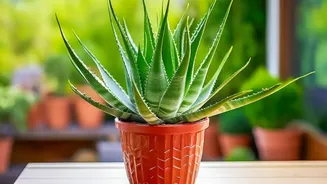
and waterlogged soil prevents them from breathing, leading to root rot. This is why drainage holes are the gold standard of plant care. These small openings at the bottom of a pot allow excess water to escape, preventing the soil from becoming a swamp. If you fall in love with a decorative pot that has no holes, don't despair. A simple trick is 'double potting': keep your plant in its plastic nursery pot (with holes) and place that inside the decorative one. After watering, simply lift the inner pot and tip out any excess water from the outer pot.
Decoding the Language of Light
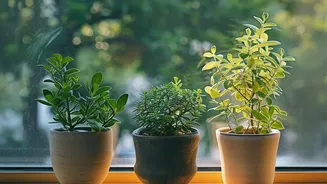
Plant tags often use phrases like “bright, indirect light” or “low light,” which can be confusing. What do they actually mean inside an Indian home? Most popular houseplants are native to rainforest floors, where they receive dappled sunlight through a canopy of trees. 'Bright, indirect light' mimics this condition. It’s a spot that gets plenty of light, but not direct, scorching sun. An east-facing window that gets gentle morning sun is often perfect. A spot a few feet away from a west or south-facing window also works. 'Low light' doesn't mean a dark corner with no windows. It means a spot that is further from a light source but still receives some natural illumination for several hours a day, like the middle of a room with a north-facing window. Plants like the Snake Plant and ZZ Plant are famed for their tolerance of low light, but they won't actively grow in near-darkness. They will simply survive. For robust growth, even these plants appreciate brighter conditions.
The Gentle Art of Feeding
Think of fertilizer as a vitamin supplement, not a meal. Plants get most of their energy from sunlight, water, and air, but they also need small amounts of minerals from the soil. In a pot, these minerals get used up over time. This is where feeding comes in. However, more is not better. Over-fertilizing can burn the plant's roots and do more harm than good. A good rule of thumb is to feed your plants only during their growing season, which for most houseplants is in the spring and summer. During the cooler, darker months of autumn and winter, plants slow down their growth and don't need the extra nutrients. A balanced liquid fertilizer, diluted to half the recommended strength, applied once a month during the growing season is usually sufficient for most beginner plants. And always water the plant before you fertilize to avoid burning the roots.
Putting It All Together: Three Easy Plants
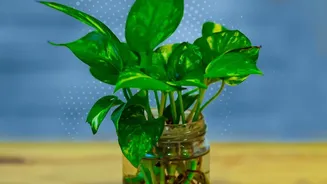
Let’s look at three popular beginner plants in India and how these rules apply. The Snake Plant (Sansevieria) is a champion of neglect; it stores water in its leaves and can tolerate low light and infrequent watering, making it perfect for busy people. The Money Plant (Pothos) is a fast-growing vine that tells you when it's thirsty by slightly drooping. It thrives in bright, indirect light but adapts well to lower light areas. Finally, the ZZ Plant (Zamioculcas zamiifolia) has waxy leaves and underground rhizomes that store water, making it extremely drought-tolerant. For all three, the core principles remain: use a pot with drainage, provide some form of indirect light, and feed sparingly only when they are actively growing.