






A Conservation Triumph
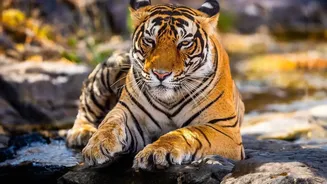
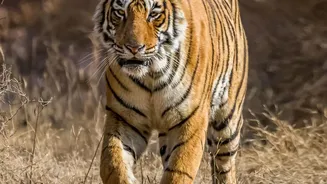
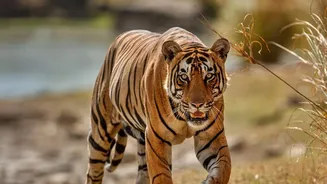
Not long ago, the roar of the Bengal tiger was fading across Nepal. Today, it is growing louder. Thanks to decades of concerted effort, Nepal has become a global leader in tiger conservation. The latest census reveals a population of 429 tigers, a dramatic
increase from just 121 in 2010. This achievement is the result of robust anti-poaching patrols, habitat protection, and the restoration of vital wildlife corridors within the transboundary Terai Arc Landscape, an initiative spanning Nepal and India. The government's commitment, in partnership with conservation groups and local communities, has enabled the country to not only meet but significantly exceed international goals for tiger recovery, offering a powerful model for the rest of the world.
The Challenge of Coexistence
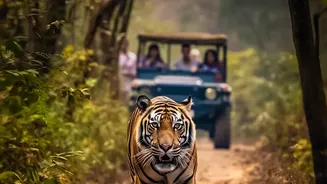
With more tigers comes increased competition for space and resources, inevitably leading to more frequent encounters with humans. For the rural communities living on the fringes of national parks, this conservation success story has a complicated reality. Farmers and herders face the growing threat of livestock predation, a significant economic blow to families who depend on their animals for income. The danger is not just financial; between 2019 and 2023, tiger attacks resulted in 38 human fatalities, fostering fear and frustration. This rising human-wildlife conflict threatens to undermine the very public support that has been crucial to the tigers' comeback, making it clear that protecting tigers also means protecting people.
Building Predator-Proof Fortresses
One of the most effective and direct solutions has been the construction of predator-proof corrals. These reinforced enclosures, often built with community participation and support from organizations like WWF, are designed to keep livestock safe, especially at night when they are most vulnerable. An assessment in 2024 found that these corrals led to a remarkable 87% reduction in livestock killings compared to traditional pens. By physically separating predators from domestic animals, this simple yet powerful innovation directly protects a family's economic assets. The success of thousands of these corrals across the Terai Arc Landscape demonstrates a practical way to mitigate conflict and build resilience in communities on the front lines of conservation.
A Financial Safety Net
Even with the best preventative measures, losses can still occur. Recognizing this, Nepal's government has established a compensation system to provide financial relief to families affected by wildlife. The guidelines, updated in 2023, offer payments for human injury or death and for the loss of livestock like cattle and buffaloes. While the system is not without its challenges, such as cumbersome paperwork and debates over payout amounts, it represents a critical official acknowledgment of the costs borne by local communities. In Chitwan National Park alone, over 20 million rupees were distributed to victims of human-wildlife conflict in the 2023/24 fiscal year, providing a vital safety net that helps maintain goodwill towards conservation efforts.
The Power of Community Stewards
Ultimately, the long-term success of coexisting with tigers rests in the hands of the people who share their habitat. Nepal has empowered local communities to become the primary stewards of their surrounding forests. Community-led anti-poaching units are instrumental in protecting wildlife, while community forestry programs give locals direct management rights and economic benefits from the sustainable use of forest resources. This approach fosters a sense of ownership and ensures that the benefits of conservation, such as income from nature-based tourism, are shared. The new Terai Arc Landscape Strategy for 2026-2035 further cements this focus on community participation, aiming to build a future where both nature and people can thrive together.