



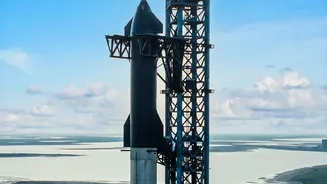
What Is the 'Starship Catch'?
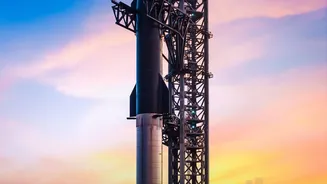
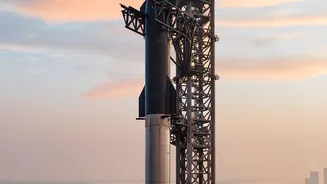
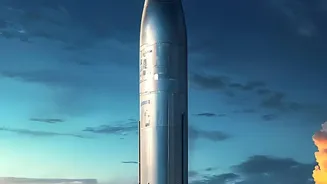
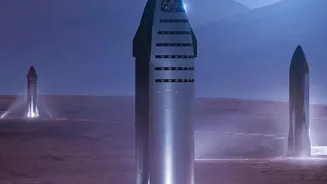
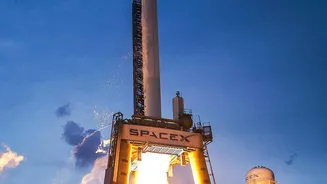
The 'Starship catch' is SpaceX's groundbreaking method for recovering its massive Super Heavy booster and Starship upper stage. Instead of landing on legs or splashing down in the ocean, the returning rocket is designed to be caught in mid-air by two
large robotic arms on the launch tower. Nicknamed 'Mechazilla' or the 'chopsticks', this system is engineered to securely grab the vehicle as it performs a powered descent, positioning it directly back on the launch mount for inspection and preparation for its next flight. The recent Flight 15 mission marked a historic milestone, as SpaceX successfully caught the Starship upper stage for the first time after it returned from orbiting the Earth for over 22 hours. While the company has caught the Super Heavy booster on previous flights, the recovery of the orbital spacecraft is a far more complex challenge due to the extreme heat of atmospheric re-entry and the precision required.
Why Not Just Use Landing Legs?
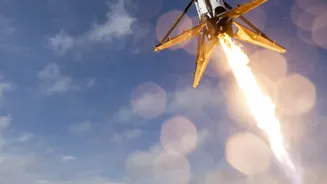
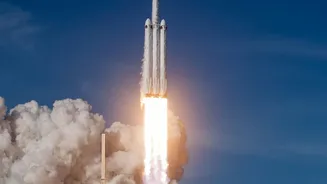
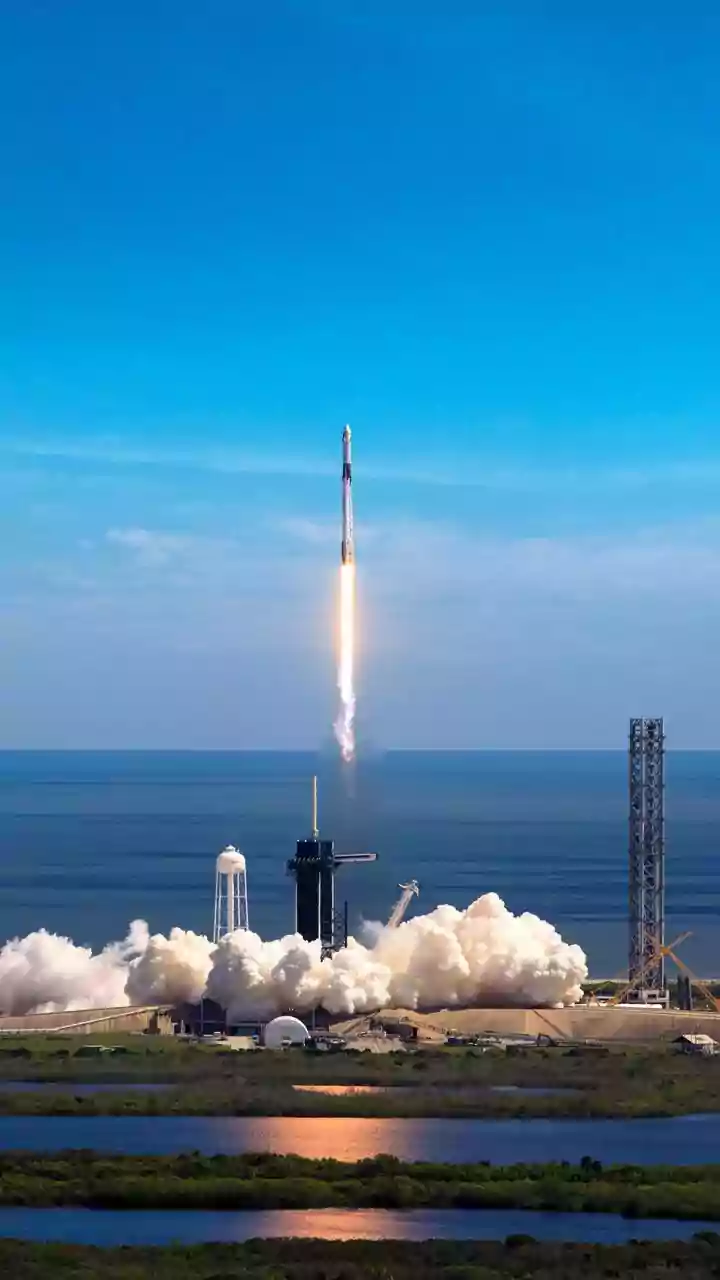
SpaceX's Falcon 9 rockets have successfully used landing legs for years, so why the change? The answer comes down to weight and speed. The Super Heavy booster is immense, and equipping it with landing legs strong enough to support its weight would add several tons of mass. By removing the legs, that mass can be reallocated to more fuel or a heavier payload, making each launch more efficient. More importantly, the tower catch is central to the goal of rapid reusability. Catching the booster directly at the launch site eliminates the time-consuming and costly logistics of transporting it from a landing zone or an ocean droneship. The ultimate goal is an airline-like operational tempo, where a rocket can be caught, inspected, refueled, and launched again in a short period, potentially multiple times a day.
The Challenge of Flight 15
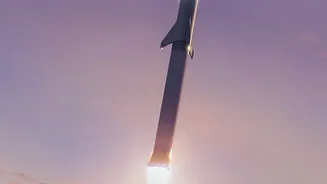
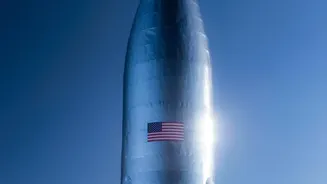
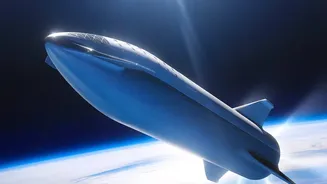
The fifteenth test flight was designed to be a landmark mission demonstrating a 'double recovery' of both the Super Heavy booster and the Starship spacecraft. The mission was a partial success. After lifting off on November 13, 2026, the Starship upper stage, known as Ship 42, successfully reached orbit, deployed 26 Starlink satellites, and circled the Earth 14 times. On November 14, it performed a historic re-entry and was successfully caught by the Mechazilla arms at the Starbase facility in Texas. However, the Super Heavy booster did not complete its return. An issue during its 'boostback' burn, reportedly a low fuel mass alarm, caused the automated system to abort the tower catch attempt. The booster was diverted for a controlled splashdown in the Gulf of Mexico, where its flight was terminated.
From Catch to Reflight
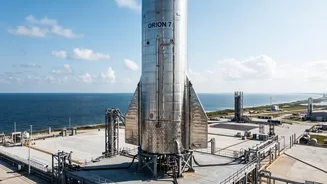
A successful catch is only the first step; the true revolution is in the reflight. Recovering hardware is about making spaceflight dramatically cheaper, similar to how commercial airlines don't discard an airplane after one trip. After a catch, engineers can immediately begin inspecting the vehicle. Proximity to the launch mount and its service infrastructure is designed to make this process much faster than recovering a rocket from sea. While SpaceX has previously reflown Super Heavy boosters, it took several months of refurbishment between flights. The goal now is to drastically reduce that turnaround time. Before the recent flight, CEO Elon Musk indicated a reflight of a recovered ship could happen as soon as late 2026 or early 2027. Achieving a cadence of thousands of launches a year depends on perfecting this rapid cycle of launch, catch, and relaunch.