





What Exactly Is In Delhi's Smog?
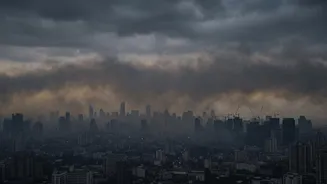
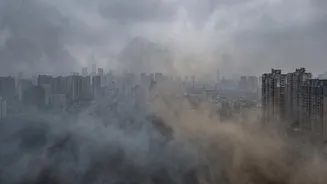
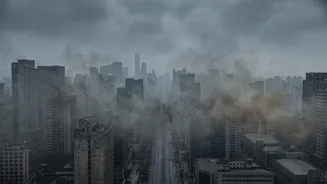
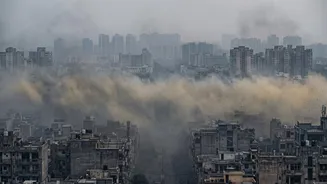
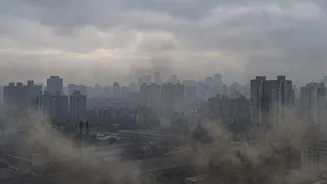
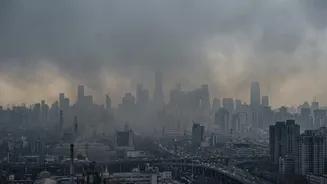
The thick smog that blankets Delhi is a complex and toxic cocktail of pollutants. The most talked-about is PM2.5 — fine particulate matter so small it can penetrate deep into the lungs and even enter the bloodstream. These particles are not just dust;
they are carriers for a host of dangerous chemicals. Vehicle exhaust, industrial emissions, and the burning of crops and waste release substances like benzene, benzo-a-pyrene, and formaldehyde into the air. These are not benign compounds; the World Health Organization's International Agency for Research on Cancer (IARC) has classified outdoor air pollution, and specifically PM2.5, as a Group 1 carcinogen, placing it in the same high-risk category as tobacco smoke and asbestos.
How Pollution Can Trigger Cancer
The journey from inhaling polluted air to developing cancer is a biological process that occurs over many years. When carcinogenic particles like PM2.5 lodge themselves deep in the lungs, the body's natural defense systems are overwhelmed. This triggers a state of chronic inflammation and oxidative stress, which is essentially continuous injury at a cellular level. Over time, this persistent damage can lead to errors in DNA replication as cells try to repair themselves. These mutations can deactivate the body's natural tumour-suppressing genes or activate cancer-causing ones, leading to the uncontrolled cell growth that defines cancer. Doctors note that while smoking remains a greater individual risk, air pollution affects the entire population, leaving no one immune to the exposure.
The Changing Face of Lung Cancer
For decades, lung cancer was considered a 'smoker's disease'. However, doctors in Delhi and across India are witnessing a disturbing trend: a rising number of lung cancer cases in people who have never smoked. Some oncologists report that non-smokers now account for as many as 50% of their lung cancer patients, a dramatic shift from previous decades. This has forced the medical community to look for other widespread risk factors, with long-term exposure to severe air pollution emerging as a primary suspect. This is particularly concerning because the symptoms—like a persistent cough or breathlessness—can often be mistakenly attributed to the pollution itself, delaying diagnosis.
Beyond the Lungs: A Systemic Threat
While lung cancer has the most established link to air pollution, the danger doesn't stop there. Because PM2.5 particles can enter the bloodstream, they circulate throughout the body, causing systemic inflammation and damage. Emerging research is now connecting long-term exposure to air pollution with an increased risk for several other cancers, including those of the breast, liver, bladder, and gastrointestinal tract. Studies have shown that for every 10 microgram per cubic metre increase in PM2.5, the overall risk of dying from cancer rises significantly. With Delhi's annual average PM2.5 levels often exceeding WHO safe limits by more than tenfold, the cumulative risk is a major public health concern.