








What Sparked the Controversy?
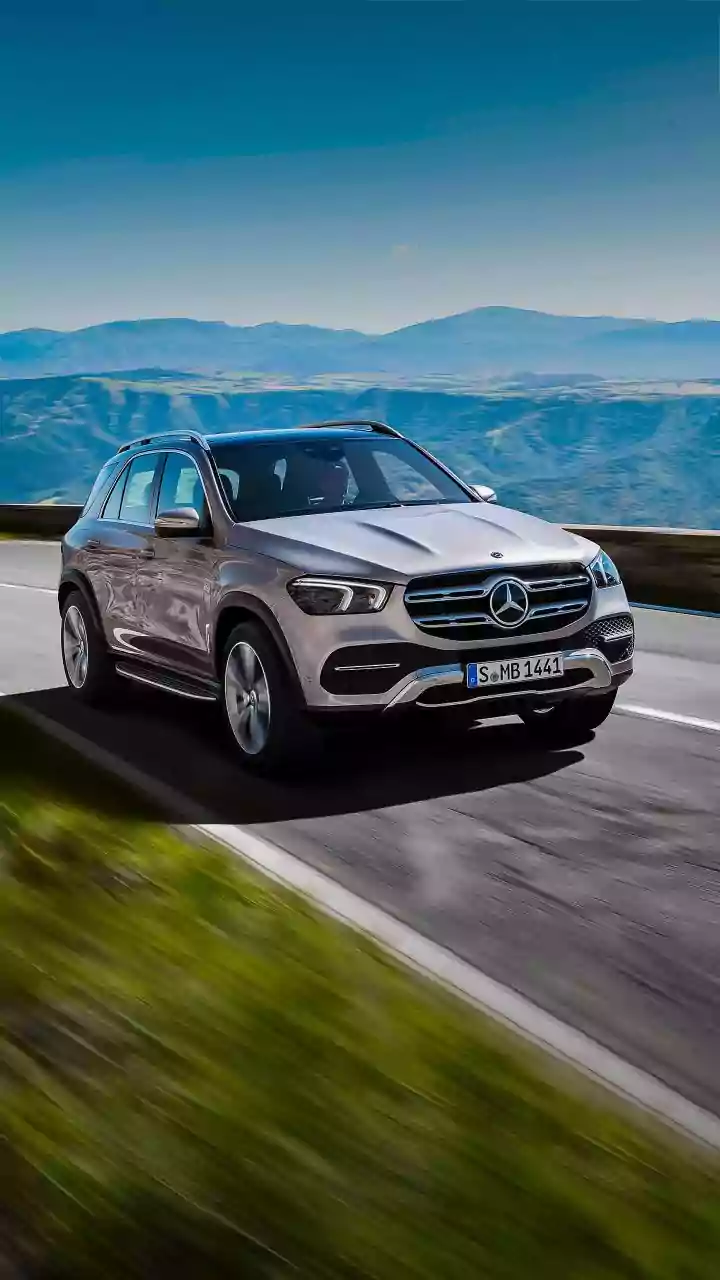
The issue ignited after a popular YouTuber, Sourav Joshi, claimed his Mercedes-Benz GLC's fuel efficiency plummeted from around 17 km/l to just 5 km/l after using E20 petrol. The video quickly went viral, fuelling widespread concern among vehicle owners
about India's nationwide rollout of E20 fuel, which is a blend of 20% ethanol and 80% petrol. In response, Mercedes-Benz India issued a statement clarifying that all its BS VI petrol vehicles are "materially compatible with E20 fuel and certified accordingly by relevant authorities." However, the statement did not directly address the dramatic mileage drop, instead noting that many variables affect fuel consumption and offering technical support to customers.
Understanding E20 Fuel
The push for E20 is a major government policy in India, aimed at reducing the country's reliance on imported crude oil, lowering carbon emissions, and providing additional income to farmers who grow the crops for ethanol production. Ethanol, a biofuel typically derived from sources like sugarcane, is considered a cleaner-burning fuel. As of 2026, E20 is now the standard petrol available at most pumps across the country. While the environmental and economic goals are clear, the transition has raised practical questions for motorists about the impact on their vehicles.
Compatibility vs. Economy: The Key Difference
The Mercedes incident highlights the core of the issue: "compatible" does not mean "optimal." When a carmaker states a vehicle is E20 compatible, it generally means the fuel will not damage the engine's components, such as seals, gaskets, and fuel lines. However, this is very different from fuel economy. Ethanol has a lower energy density than petrol, meaning it contains about 30-35% less energy per litre. Because of this, an engine must burn more E20 fuel to produce the same amount of power, which almost always results in lower mileage. Most expert estimates put the expected drop in fuel economy from E20 at around 5-10% for a compatible car, not the 70% drop claimed in the viral video, which likely indicates other vehicle issues.
Why The Confusion Exists
The confusion is compounded by how vehicle compliance has been rolled out. Some reports have pointed out that owner's manuals for Mercedes models from a few years ago specifically warned against using fuel with more than 10% ethanol (E10). Manuals for newer models, however, state compatibility with up to E25. This suggests that while the company's blanket statement that "all BS VI" cars are compatible might be technically true from a material safety standpoint, the level of engine tuning and optimisation for E20 fuel has evolved. For an engine to be truly optimised, its control unit (ECU) must be calibrated to handle the different properties of ethanol-blended fuel, which helps minimise the drop in mileage. Without this specific tuning, a compatible car will run safely on E20, but less efficiently.
What This Means For Indian Car Owners
For the average driver in India, this means a slight decrease in fuel economy is an expected trade-off for using the more environmentally friendly and domestically produced E20 fuel. If you own a vehicle made after April 2023, it was engineered from the factory to be E20 compatible. For older BS VI models, while manufacturers like Mercedes assure safety, owners should be prepared for a noticeable dip in mileage. It's crucial for consumers to understand that a drop of 5-10% is normal, but any drastic plunge in performance warrants a full diagnostic check, as other mechanical or sensor issues could be the real culprit. The conversation has shifted, forcing car buyers to look beyond the sticker price and consider the nuances of fuel technology in their long-term running costs.