



The Power in the Grain
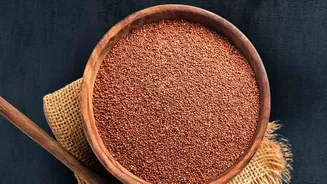
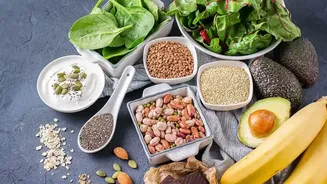
Before we dive into the recipes, it's worth knowing why ragi deserves a permanent spot in your pantry. This humble millet is a nutritional powerhouse. It's one of the best plant-based sources of calcium, crucial for bone health. It's also rich in iron,
which can help in preventing anaemia. The high dietary fibre content aids in digestion and can help with weight management by keeping you feeling full for longer. Furthermore, ragi is naturally gluten-free and has a low glycemic index, making it an excellent choice for those managing blood sugar levels. Its amino acids, like methionine and lysine, are beneficial for healthy skin and hair. With a unique, nutty flavour, it’s not just healthy but also a versatile addition to your culinary experiments.
A Strong Start: Ragi for Breakfast
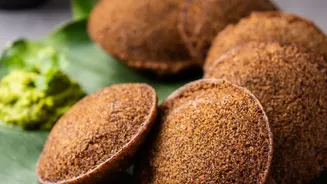
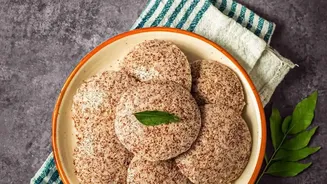
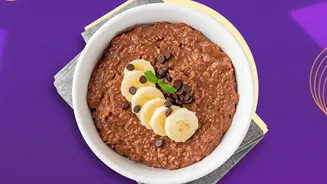
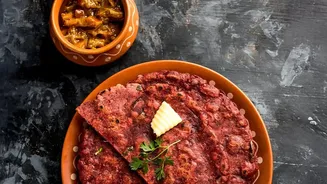
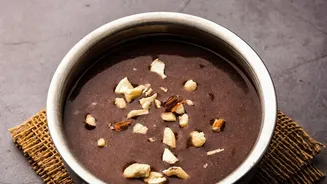
Starting your day with ragi can provide sustained energy. One of the easiest and most popular ways to do this is by making Instant Ragi Dosa. You can simply mix ragi flour with rice flour, a bit of rava (semolina), curd, and water to form a thin batter. Add finely chopped onions, green chillies, and curry leaves for flavour. Unlike traditional dosas, this version doesn't require fermentation, making it perfect for busy mornings. For a softer option, consider Ragi Idli, which can be made by incorporating ragi flour into your regular idli batter. Another quick option is a simple ragi porridge or malt, made by cooking the flour with milk or water and sweetening it with jaggery. It’s a comforting and nourishing start for all ages.
Wholesome Meals: Ragi Roti
Incorporating ragi into your main meals is simple with Ragi Roti. While making rotis with only ragi flour can be tricky as it lacks gluten, the secret to soft rotis is using hot water to make the dough. Simply bring water to a boil, add a little salt and oil, then turn off the heat and mix in the ragi flour. Let it rest for a few minutes before kneading it into a smooth, pliable dough. This method helps soften the dough and prevents cracks while rolling. For an even easier time, you can mix ragi flour with your regular whole wheat atta to make chapatis that are both soft and more nutritious. These rotis pair well with any dal, sabzi, or curry.
Guilt-Free Snacks and Treats
Ragi’s versatility extends to snacks and even desserts. For a healthy evening snack, you can prepare Ragi Ladoos, which often require just three main ingredients: ragi flour, jaggery, and ghee. Simply dry roast the ragi flour until it releases a nutty aroma, mix it with powdered jaggery and melted ghee, and roll into balls. You can also add nuts and seeds for extra crunch and nutrition. If you're in the mood for something savoury, Ragi Pakodas are a crispy delight. For those with a sweet tooth who love baking, ragi flour can be used to make wholesome cookies, often mixed with whole wheat flour, ghee, and sugar or jaggery. There are even recipes for rich, chocolatey ragi brownies and cakes, offering a healthier twist on classic desserts.
Modern Twists for Every Palate
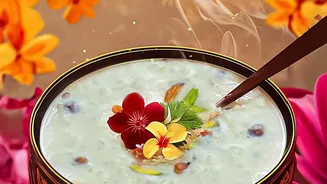
Beyond traditional Indian dishes, ragi flour can be seamlessly integrated into modern recipes. Consider making Ragi Pancakes for a weekend breakfast; just substitute a portion of the all-purpose flour in your favourite recipe with ragi flour and mix with banana, milk, and a sweetener like jaggery. You can also make a Ragi Pudding, a creamy dessert that can be flavoured with cardamom, coconut milk, or even chocolate. For a savoury, crispy snack, try making ragi crackers at home by preparing a simple dough of ragi and whole wheat flour, rolling it thin, and baking until crisp. These innovations make it easy to introduce the goodness of ragi to everyone in the family, including children who might be picky eaters.