






Fatty Fish: Rich in Omega-3s
Fatty fish like salmon, mackerel, and sardines are prime sources of omega-3 fatty acids, which are celebrated for their potent anti-inflammatory effects. These healthy fats can help reduce the production of molecules linked to inflammation in the body,
potentially easing joint pain and morning stiffness. Studies have shown that regular consumption of omega-3s can lead to a reduction in joint swelling and tenderness, making them a cornerstone of a joint-friendly diet. For those who don't eat fish, plant-based sources like flaxseeds, chia seeds, and walnuts are excellent alternatives.
Turmeric: The Golden Healer
A staple in Indian kitchens, turmeric contains a powerful compound called curcumin, which has been extensively researched for its anti-inflammatory properties. Some studies suggest that curcumin's effectiveness in reducing osteoarthritis pain is comparable to that of anti-inflammatory drugs like ibuprofen, but with a different side-effect profile. Curcumin works by blocking inflammatory enzymes and cytokines. To maximize its benefits, it's best to consume turmeric with black pepper, as a compound in pepper called piperine significantly enhances curcumin absorption in the body.
Leafy Greens: Nutrient-Dense Support
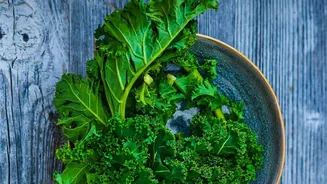
Dark leafy greens such as spinach, kale, and broccoli are packed with vitamins, minerals, and antioxidants that are vital for musculoskeletal health. They are rich in Vitamin C, which is essential for the production of collagen, a key protein that provides structure to your joints, bones, and connective tissues. These greens also contain antioxidants like sulforaphane, found in broccoli, which may help protect cartilage and slow joint damage. Furthermore, their high calcium content is crucial for maintaining strong bones, which form the foundation of good posture.
Berries and Cherries: Antioxidant Powerhouses
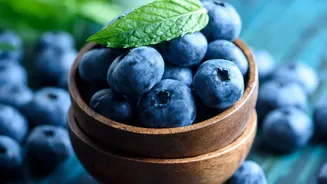
Brightly coloured fruits like blueberries, strawberries, raspberries, and cherries are loaded with antioxidants called anthocyanins. These compounds are responsible for their vibrant colours and have powerful anti-inflammatory effects that can help protect joints from damage. By fighting oxidative stress, these fruits may reduce swelling and preserve cartilage. Consuming a variety of berries and cherries, whether fresh or frozen, can contribute to better joint mobility and help soothe everyday aches.
Bone Broth: Building Blocks for Joints
Bone broth, made by simmering animal bones and connective tissues, is a direct source of collagen, gelatin, and amino acids like glycine and proline. These are the very building blocks your body uses to create and repair cartilage, tendons, and ligaments. Regular consumption can help replenish the collagen that naturally declines with age, supporting the integrity of your joints. Foods rich in Vitamin C, like bell peppers and citrus fruits, can further boost your body's own collagen production, creating a powerful combination for joint resilience.
Nuts and Seeds: A Crunchy Boost
Nuts and seeds are small but mighty sources of healthy fats, protein, and essential minerals. Walnuts, almonds, chia seeds, and flaxseeds are particularly beneficial due to their content of plant-based omega-3 fatty acids and magnesium. Magnesium plays a crucial role in bone health and muscle function, helping to relax muscles and reduce spasms that can contribute to poor posture. The combination of anti-inflammatory fats and minerals makes them a smart addition to your diet for supporting both joint comfort and postural stability.