




What Happened on November 13th?
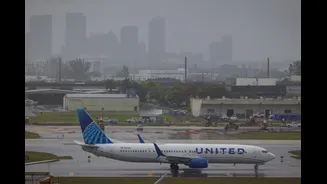
At approximately 3:30 p.m. Eastern Time, the FAA took the drastic step of issuing a nationwide ground stop for all departing flights. The order, prompted by what officials called 'extraordinary circumstances and for reasons of safety', brought air travel
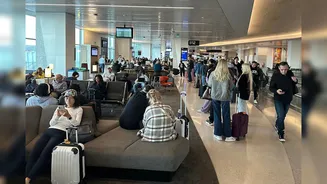
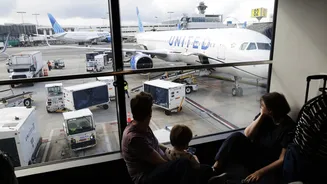
to a standstill for over four hours. While the roughly 3,500 planes already in the air were allowed to land safely, thousands of others remained parked at their gates, leading to widespread chaos and confusion at airports across the United States. The ground stop was ultimately lifted around 8:15 p.m. ET, but the disruption was far from over, with cancellations and delays cascading throughout the weekend. In total, the event led to thousands of cancelled flights and tens of thousands of delays, stranding countless passengers.
The Technical Cause: A Data Flood
The FAA quickly ruled out a cyberattack, instead pointing to a technical failure within its aging telecommunications network. According to official statements, the problem originated from routine maintenance work being performed by a contractor, L3Harris, at a remote facility in El Dorado, Arkansas. A newly installed router began flooding the FAA's telecommunications network with an overwhelming amount of data—reportedly over 1,000 connection attempts every four to five seconds. This 'data flood' disrupted communications and radar feeds at 17 of the FAA's 22 primary air traffic control centers, creating system instability and forcing the agency to halt all traffic as a safety precaution. Investigators are still determining whether the root cause was faulty equipment or an error during the installation and configuration process.
A System Under Decades of Strain
This incident is not an isolated event but rather a symptom of a system under chronic strain. The FAA's infrastructure is a complex web of modern and decades-old technology, with some components still relying on copper wires and other legacy systems. Government watchdog agencies and safety reviews have for years warned about the risks posed by this aging network. A November 2023 safety review described the FAA Telecommunications Infrastructure (FTI) as 'obsolete'. The November 13th ground stop bears a striking resemblance to a similar failure in 2009, which was also traced back to a router configuration error during an upgrade. It also follows a January 2023 nationwide ground stop caused by a failure in the NOTAM system, which alerts pilots to safety hazards. These recurring failures underscore the urgent need for modernization.
The Call for Modernization
In the wake of the disruption, government officials immediately renewed calls for Congress to accelerate funding for a complete overhaul of the nation's air traffic control system. Transportation Secretary Sean Duffy emphasized that while a $12.5 billion modernization effort, known as the Brand New Air Traffic Control System (BNATCS), is already underway, it is not enough. He is now advocating for an additional $50 billion to fully replace the old systems with modern digital architecture, resilient telecommunications, and new control center facilities. The ongoing modernization aims to replace thousands of copper lines with fiber optics and move tens of thousands of services to modern internet protocols. However, a September 2026 Government Accountability Office report noted that while the FAA was moving at an 'unprecedented speed', it lacked a comprehensive cost estimate or integrated master schedule for the massive project.