


The Grand Vision: Artemis Base Camp
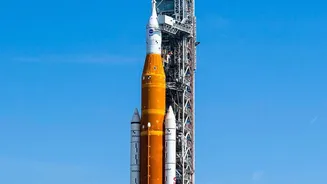
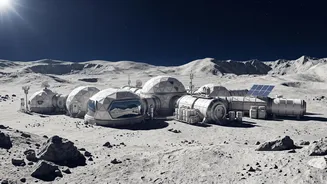
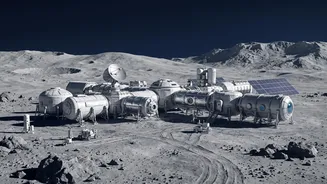
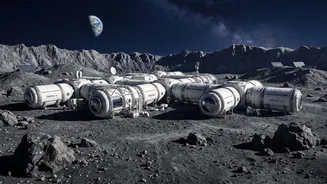
Under the ambitious Artemis program, NASA is planning to do more than just leave footprints and flags on the Moon. The goal is to establish a long-term human presence, a scientific outpost called the Artemis Base Camp, located near the lunar South Pole.
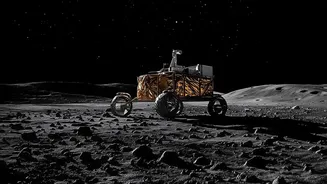
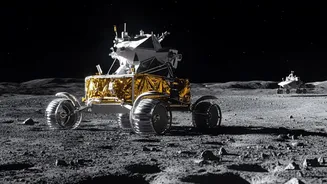
This permanent outpost will serve as a hub for science, exploration, and as a crucial stepping stone for future missions to Mars. The vision includes a lunar terrain vehicle for transport, a habitable mobility platform (a sort of pressurized rover), living quarters, and power systems. However, building and operating this neighborhood on another world introduces a set of challenges far more complex than those faced during the Apollo era.
Time: The Moon's Ultimate Currency
When planning for a lunar settlement, it's easy to assume that the biggest constraints are resources like water, power, or breathable air. While those are critical, NASA officials have identified a more fundamental limitation: astronaut time. According to Nujoud Merancy, a key figure in NASA's exploration planning, crew time is the 'most critical resource on the lunar surface'. Getting astronauts to the Moon is incredibly difficult and expensive, making every single hour they spend there invaluable. The focus, therefore, shifts from mere survival to maximizing productivity. Every moment an astronaut spends on routine maintenance or struggling with inefficient equipment is a moment not spent on crucial scientific research or exploration. This makes managing astronaut time a top priority in the design of the entire Artemis mission architecture.
The Time Thieves of the Lunar Surface
Working on the Moon is not a simple affair. Several factors conspire to make even basic tasks incredibly time-consuming. The lunar environment itself is hostile, with extreme temperature swings, abrasive dust that can damage equipment, and higher radiation levels that limit how much time astronauts can safely spend outside. The bulky, pressurized spacesuits required for extravehicular activities (EVAs) are far less mobile than what was seen in the Apollo missions, making every movement deliberate and slow. Furthermore, the simple act of keeping time is a challenge; due to the Moon's weaker gravity, time itself moves slightly faster, gaining about 58.7 microseconds every Earth day, which requires a new, unified timekeeping system called Coordinated Lunar Time (LTC) to ensure precision for navigation and communication. Without solving these issues, astronauts could spend the bulk of their missions just managing their environment instead of exploring it.
Robots as a Force Multiplier
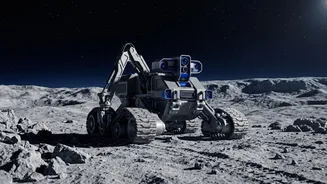
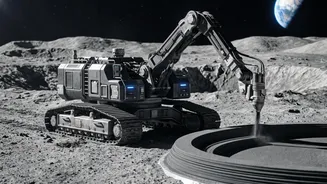
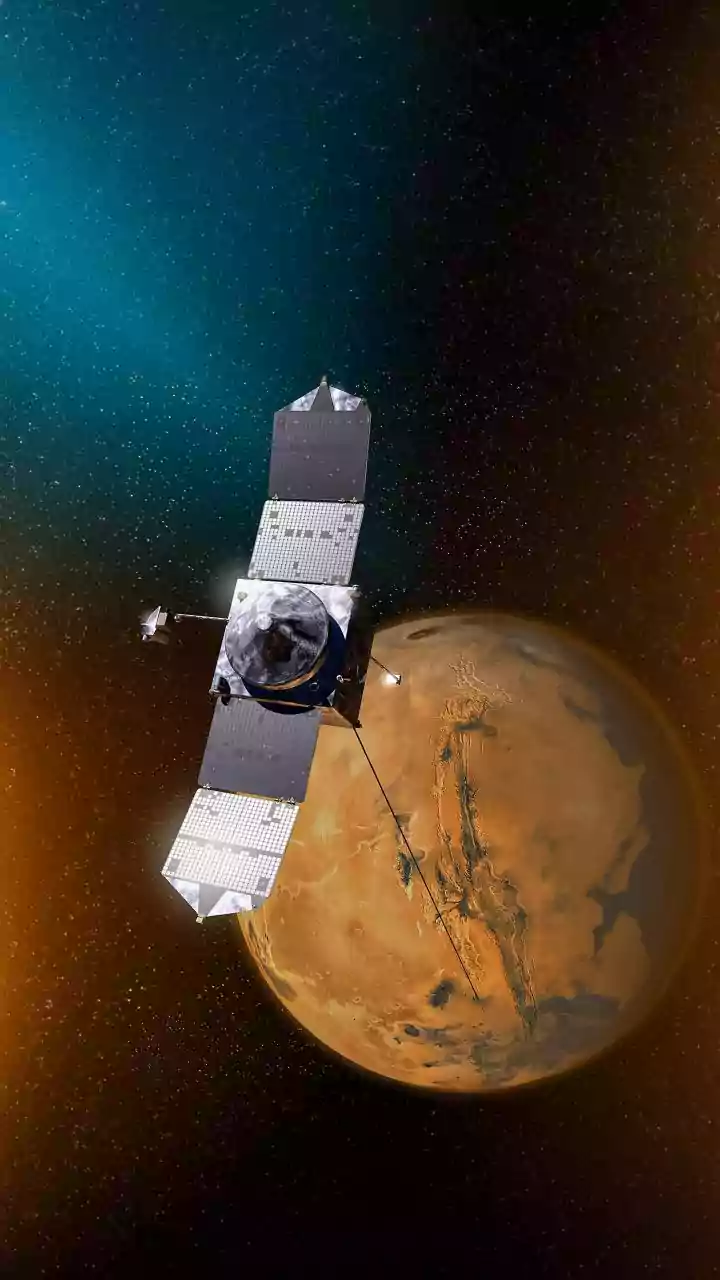
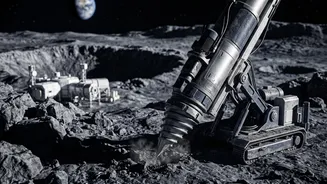
NASA's primary strategy for saving astronaut time is a massive investment in robotics and automation. The plan is to send a fleet of robotic missions to the Moon before the astronauts arrive. These uncrewed missions will do the heavy lifting, scouting locations, testing systems, and even beginning construction. Technologies like the Automated Reconfigurable Mission Adaptive Digital Assembly Systems (ARMADAS) use small robots to autonomously assemble large structures like habitats and solar arrays from modular parts. Other systems involve cooperative rovers that can map terrain together, doing in days what might take astronauts weeks. By having robots prepare the site, NASA can ensure that when the crew lands, they arrive at a worksite that is already partially built, allowing them to focus on high-value scientific and exploratory tasks from day one.
Designing for Efficiency on a New World
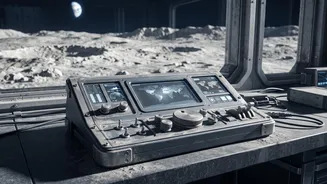
Beyond robotics, every piece of equipment and every procedure for the Artemis Base Camp is being designed with time efficiency in mind. This involves learning from over two decades of operations on the International Space Station (ISS), where astronaut time is also meticulously scheduled. Future lunar habitats will be designed for minimal maintenance. Navigation systems are being developed to move beyond the Apollo-era paper maps, providing crews with real-time location data to make exploration faster and safer. Even the landing pads and roads will be part of the foundational infrastructure to streamline operations. This shift represents a fundamental change in space exploration philosophy. It is no longer enough to just get there; the challenge now is to live and work there effectively, turning a barren landscape into a productive, long-term scientific outpost.