






A Market Re-Energized by New Faces
In a clear sign of renewed consumer confidence, the share of first-time buyers in India’s passenger vehicle market has jumped by an estimated 10 percentage points in the first half of this fiscal year. This isn't just a minor uptick; it represents the most
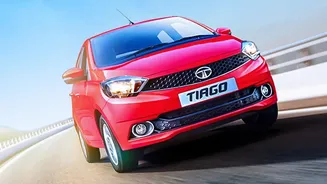
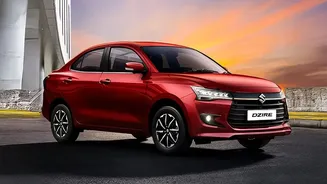
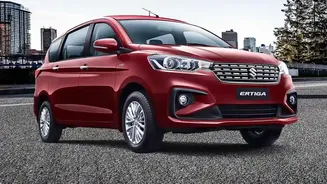
significant increase since the pre-pandemic era, reversing a trend that saw entry-level customers increasingly priced out of the market. The industry’s bellwether, Maruti Suzuki, provides the clearest evidence of this revival. The company reported that first-time buyers accounted for a remarkable 54% of its sales between April and August, a substantial leap from 42% during the same period last year. This indicates that more than half the customers driving a new Maruti off the lot are new to car ownership. The trend extends across the industry, with other major players like Tata Motors and Mahindra & Mahindra also reporting a healthy rise in first-time customers, confirming a broad-based expansion of the market’s foundation.
The Affordability Engine Roars to Life
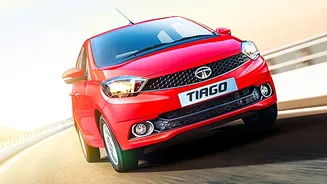
The primary catalyst for this dramatic return is a crucial policy change that directly addressed the affordability crisis in the entry-level segment. Last year, the government rationalised the Goods and Services Tax (GST), slashing the rate from 28% to 18% for cars less than four meters in length. This move significantly lowered the on-road price of some of India’s most popular and accessible models, including the Maruti Alto, WagonR, and Tata Punch. The impact was immediate and profound. Maruti Suzuki’s sales of its 'mini' cars, the Alto and S-Presso, surged by an incredible 96% between April and August. As Rahul Bharti, a Senior Executive Officer at Maruti Suzuki, noted, this GST reform has “enabled the return of first-time car buyers, broadening the base of the market.” By making the first step of car ownership more attainable, the tax cut has effectively re-opened the gates for a new wave of aspiring owners.
It’s Not Just About Small Hatchbacks
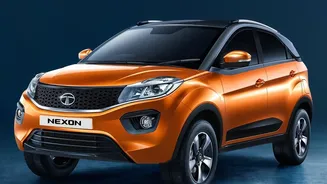
While the revival of affordable hatchbacks is a major part of the story, the boom in first-time buyers is also being fuelled by the unstoppable rise of the compact SUV. These vehicles offer a compelling blend of modern styling, higher ground clearance, and a richer feature list, all within a relatively manageable footprint and price point. Models like the Tata Punch and Mahindra Bolero, which also benefit from the lower GST rate, have become immensely popular with new buyers. Even for slightly larger SUVs, the trend holds. Hyundai reported that first-time buyers for its popular Creta SUV increased, demonstrating that new entrants are not just looking for the cheapest option but are also driven by aspiration. This shows a market that is expanding at both ends: price-sensitive buyers are returning to hatchbacks, while others are stretching their budgets to make a compact SUV their first vehicle.
The Broader Forces at Play
Beyond government policy and specific models, this trend is anchored in a wider set of post-pandemic realities. The pandemic itself cemented the desire for personal, safe mobility, pushing many who relied on public transport to consider car ownership for the first time. This pent-up demand is now being unlocked by a more favourable economic environment and improved consumer sentiment. Furthermore, the accessibility of financing has played a crucial role. With more transparent and readily available loan options, the financial barrier to entry has been lowered, enabling a younger demographic to enter the market sooner. This convergence of increased aspiration, improved affordability, and accessible credit has created the perfect conditions for the current boom in first-time buyers, setting the stage for sustained growth across the automotive sector.