





A Tale of Two Landmarks
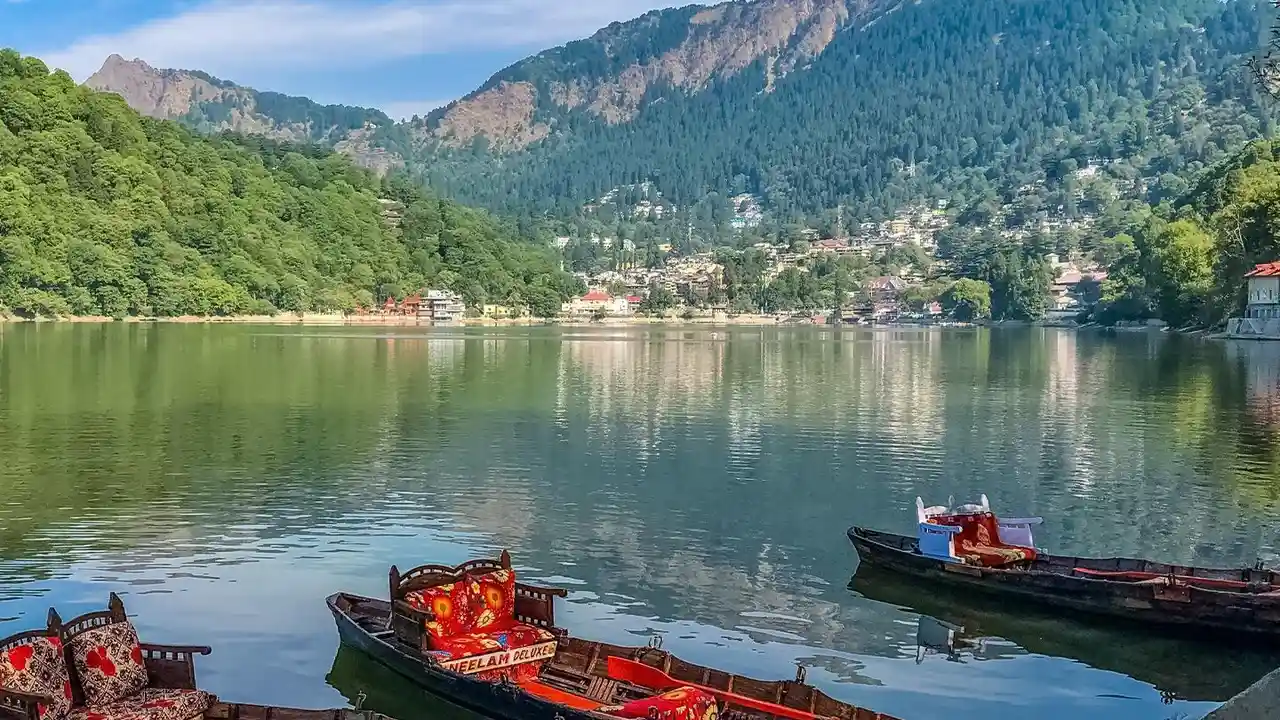
Nainital, the gem of the Kumaon hills, was a favoured summer retreat for the British, a legacy etched into its architecture and winding roads. While most visitors flock to the lake, a more profound journey into the past awaits on the slopes of Ayarpatta
Hill. Here, two iconic properties, Gurney House and Raj Bhavan, serve as historical bookends to a fascinating narrative. One was the private, rustic home of a legendary conservationist, the other a grand symbol of colonial power. Together, they form a travel route that isn't just walked but felt, offering a tangible connection to the people and politics that shaped this hill station.
The Journey Begins: Gurney House
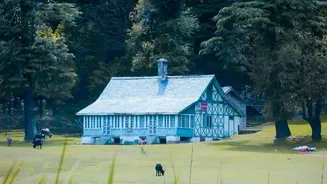
The story starts at Gurney House, the former residence of the famed hunter-turned-conservationist, Jim Corbett. Tucked away on the quiet Ayarpatta slopes, the charming cottage feels a world away from the bustling town below. Built in 1881, the house was constructed with materials from the Corbett family's earlier home, which was destroyed in a landslide. This sense of salvaged history permeates the property, which Corbett and his sister Maggie sold in 1947 before leaving for Kenya. Now a private residence, its owners graciously welcome Corbett enthusiasts by appointment, offering a rare glimpse into his life. The house preserves many of his possessions, including his furniture, books, and fishing rod, making the visit a journey back in time.
The Legacy of a Conservationist
To visit Gurney House is to understand the man behind the legend. Jim Corbett was more than just the hunter of man-eaters that his famous books describe; he was a profound naturalist with a deep connection to the Kumaon region. Walking through the rooms where he lived and wrote offers an intimate perspective on his life and values. The house, with its old-world charm and colonial character, stands as a testament to a more personal, quieter side of Nainital's history. It represents the story of an individual whose legacy is intertwined with the wildlife and forests of Uttarakhand, a legacy that began long before the Corbett National Park was named in his honour.
The Path to Power: Raj Bhavan
From the personal world of Gurney House, the historic route ascends towards the seat of institutional power: Raj Bhavan. A walk or short drive connects these two points, taking you from a private home to a public monument. Officially known as the Governor's House, Raj Bhavan was designed to impress. It served as the summer residence of the Governor of the North-Western Province during British rule and is now the official residence of the Governor of Uttarakhand. Its construction began in 1897, and the magnificent structure was completed around 1900. Unlike the rustic simplicity of Corbett's home, Raj Bhavan is a grand statement of authority and architectural ambition.
A Castle in the Kumaon Hills
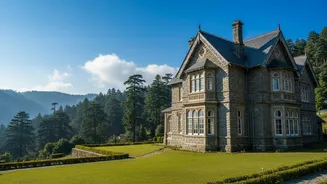
Modelled on the European pattern, Raj Bhavan is a stunning example of Victorian Gothic architecture. Sometimes compared to a Scottish castle, its design features pointed arches, castellated turrets, and intricate stonework. The two-storeyed building boasts 113 rooms and is set within a sprawling 220-acre estate that includes manicured gardens, a swimming pool, and one of India's most historic golf courses. Visitors can take guided tours of select areas, admiring the blend of grey marble, dolomite limestone, and rich teak wood used in its construction. Standing on its grounds, with views overlooking the lake, you can feel the sheer scale of the British Raj's vision for its summer capital.
Walking Through History Today
The route connecting Gurney House and Raj Bhavan is more than a list of sights; it's a narrative experience. Starting at Gurney House allows you to connect with the intimate, nature-centric spirit of Jim Corbett. It’s a quiet, reflective beginning. The journey to Raj Bhavan then shifts the perspective dramatically, showcasing the pomp and grandeur of the colonial administration. This contrast is what makes the trail so compelling. It highlights the different facets of British life in India—the private citizen deeply in love with the land and the formal institution built to govern it. For travellers today, this path offers a way to engage with Nainital's history on a deeper level, transforming a simple walk into a memorable historical exploration.