







More Than Just Green Tea
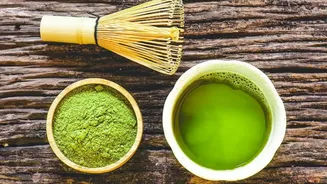
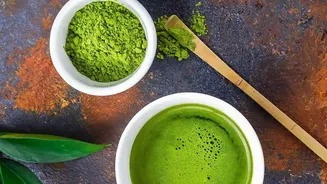
First, let's clear up what matcha actually is. While it comes from the same plant as regular green tea (Camellia sinensis), the process is entirely different. Tea plants destined for matcha are grown in the shade for several weeks before harvest. This
boosts their chlorophyll and amino acid content, giving the leaves a brilliant green colour and a more complex flavour. After harvesting, the leaves are steamed, dried, and stone-ground into a very fine powder. When you drink matcha, you are consuming the entire tea leaf, not just an infusion. This is the key difference, as it means you get a much more concentrated dose of the leaf's components.
An Acquired Taste?
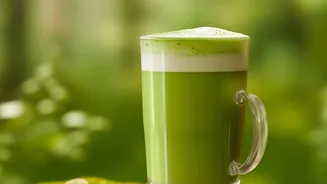
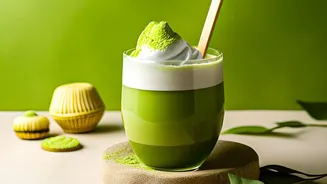
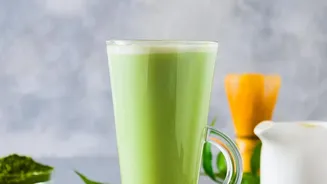
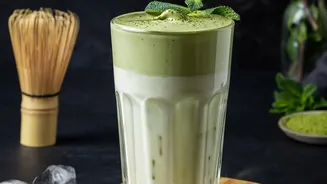
For a nation of chai lovers, matcha's flavour profile can be surprising. Its primary taste is described as 'umami'—a savoury, slightly sweet, and earthy flavour that's also found in mushrooms and seaweed. High-quality, ceremonial-grade matcha is smooth and mellow with minimal bitterness, while lower-grade powders can be more astringent. It's often an acquired taste. In India, cafes are making it more approachable by serving it in lattes, often with coconut or oat milk, and even creating versions with mango and strawberry. Google searches for 'what does matcha taste like' have seen breakout interest, showing a growing curiosity to understand its unique flavour.
A Different Kind of Buzz
One of the biggest drivers of matcha's adoption is its unique energy profile, often positioned as a gentler alternative to coffee. A typical serving of matcha contains less caffeine (around 60-70 mg) than a standard cup of drip coffee (about 95 mg or more). The real magic, however, lies in an amino acid called L-theanine, which is abundant in shade-grown matcha. L-theanine promotes relaxation and increases alpha brain waves—the same ones associated with meditation. This compound works with caffeine to create a state of 'calm alertness', providing sustained energy for 3-6 hours without the jitters or sudden crash that some people experience with coffee. This explains why searches for 'matcha vs coffee' are seeing breakout interest among Indians.
Decoding The Health Claims
Matcha is often surrounded by a 'health halo', and there's some truth to it. Because you consume the whole leaf, it's packed with antioxidants, particularly a powerful catechin called EGCG (epigallocatechin gallate). Studies suggest EGCG can help protect cells from damage, reduce inflammation, and support heart and brain health. Some research has shown that matcha may slightly enhance attention and memory. However, it's not a miracle cure. While it offers more antioxidants than regular green tea, many of the more dramatic health claims require more robust research. Furthermore, many café-style matcha lattes can be high in sugar, which can negate some of the health benefits. When prepared simply with water, it is a genuinely healthy beverage.
Why Now, Why India?
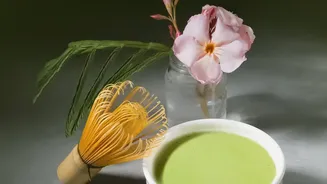
Matcha's arrival in India is part of a broader global wellness trend, but its timing is key. Driven by aspirational health-consciousness, social media influence, and a desire for new experiences, urban millennials and Gen Z are embracing it. Market data confirms this surge; one report projects the Indian matcha market to grow from around $104 million in 2024 to nearly $168 million by 2030. The trend has moved from niche cafes in metros like Delhi and Mumbai to smaller cities and even into homes. Google Trends data from 2026 shows a 1300% surge in searches for 'how to make matcha' over the past year, with 'matcha kit' and 'matcha whisk' also seeing breakout interest. This indicates a shift from a café novelty to a home ritual.