



The Journey from Tree to Stick
A cinnamon stick, or quill, begins its life as the inner bark of a Cinnamomum tree. Harvesting is a meticulous, hands-on process that often takes place after a rainy season, when the bark is moist and easier to work with. Skilled harvesters cut branches
from the bushy trees, scrape away the coarse outer bark, and then carefully peel the delicate, paper-thin inner bark. As these pale sheets dry in the sun, they naturally curl into the familiar cylindrical shape we call a cinnamon stick.
A Tale of Two Cinnamons
Here is the first major reveal: not all cinnamon is created equal. The spice you have in your kitchen is likely one of two distinct varieties: Ceylon cinnamon or Cassia cinnamon. What you find in most supermarkets is typically Cassia, which originates from countries like China, Indonesia, and Vietnam. It is bold, intensely spicy, and cheaper to produce. Ceylon cinnamon, native to Sri Lanka, is known as “true cinnamon.” It is rarer, more expensive, and has a milder, sweeter, and more delicate flavour. The difference is often hidden when ground into a powder, but the sticks tell the true story.
Why the Layers Are a Clue
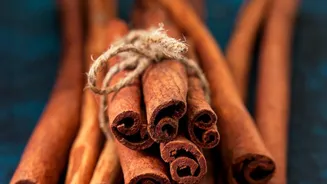
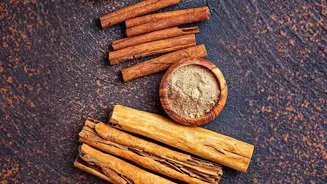
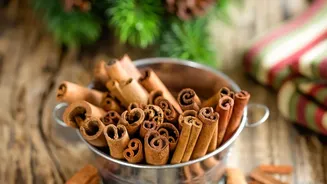
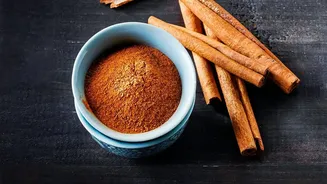
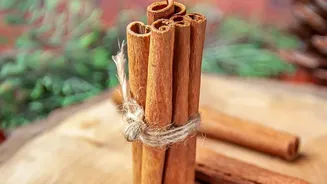
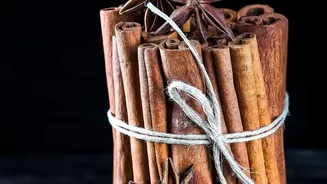
This is where the thin layers come in. A stick of true Ceylon cinnamon is composed of many thin, fragile layers of bark rolled together into a tight, cigar-like quill. It's pale tan in colour and crumbles easily. A Cassia stick, by contrast, is usually a single, thick layer of bark that has curled inward from both sides, forming a mostly hollow tube. It is reddish-brown, woody, and much harder to break. So, those delicate, paper-like layers are the key visual cue that you are holding true, botanically distinct Ceylon cinnamon.
A Chemical Distinction
The differences are more than just cosmetic. The two spices contain different levels of a compound called coumarin. While naturally occurring, coumarin can be harmful to the liver in large doses. Cassia cinnamon contains significantly higher amounts of coumarin, sometimes as much as 250 times more than Ceylon. For someone who sprinkles a little cinnamon on their oatmeal occasionally, this may not be a major concern. However, for those who consume cinnamon regularly for its potential health benefits, experts often recommend choosing low-coumarin Ceylon cinnamon.
A Spice Worth More Than Gold
The allure of cinnamon is nothing new. For millennia, true cinnamon was a fabled luxury good, at times considered more valuable than gold. Its origins were a closely guarded secret by traders who spun fantastical tales to protect their monopoly. This precious spice helped fuel the age of exploration, as European powers like Portugal fought to control its trade routes from Ceylon (modern-day Sri Lanka). The spice that now sits humbly in our kitchens was once a driver of global trade, conflict, and the wealth of empires, all sought for the unique, aromatic experience held within its bark.