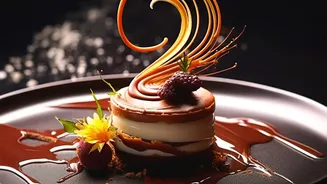




The Psychology of Sweet Choices
It’s a familiar feeling: a menu arrives with a dozen dessert options, and suddenly, what should be a moment of joy becomes a stressful analysis. This is known as the "paradox of choice," a psychological principle that suggests having too many options can
lead to anxiety and dissatisfaction. When guests are overwhelmed, they often default to the 'safe' option they’ve had before or, worse, skip dessert altogether. For a restaurant or host offering a multi-course sweet experience, this is a missed opportunity. The goal is to provide enough variety to feel generous without causing 'decision fatigue'. Menu engineers suggest that limiting options in any given category to between five and seven items is the sweet spot to keep guests feeling empowered, not panicked.
Clarity Creates Confidence and Trust
A clear menu does more than just list dishes; it builds a relationship of trust with the guest. Vague descriptions or overly complex names create uncertainty, forcing guests to ask questions or take a gamble. In contrast, a well-written menu provides a preview of the experience, detailing key ingredients, textures, and preparation methods. Words like "velvety," "crisp," "warm," and "chilled" help diners visualize the dish and make a choice that aligns with their cravings. This clarity is especially vital for guests with dietary restrictions, who need to know exactly what they are ordering. When a menu answers questions before they are asked, it signals care and transparency, making the guest feel confident and well-cared for.
Guiding the Palate's Journey
In a multi-course dessert tasting, the menu acts as a roadmap, guiding the diner through a carefully planned culinary journey. A successful tasting menu progresses logically, often from lighter, palate-awakening flavours to richer, more intense ones, before concluding with something to round out the experience. A clear menu makes this progression explicit. It can be structured with headings like "To Begin: Light & Fruity," followed by "The Main Event: Rich & Decadent." This tells a story and helps the guest understand the chef's intention for the experience. By explaining the flow, the menu transforms a series of individual dishes into a cohesive and memorable narrative, allowing each course to build on the last.
The Anatomy of a Clear Dessert Menu
Designing a clear dessert menu involves several key elements. First, use descriptive and appealing names that are easy to understand. Instead of just "Chocolate Cake," consider "Warm Molten Chocolate Cake with a Raspberry Coulis." Listing the primary components helps set accurate expectations. Grouping items logically is also crucial. Consider categories based on flavour profiles (e.g., Chocolate, Citrus, Berry, Nuts), which helps guests quickly navigate to their preferences. Using a clean, readable font and plenty of white space prevents the menu from looking cluttered and overwhelming. This scannable design allows the guest's eyes to move easily through the options, making the decision-making process feel effortless and enjoyable.