






The Problem with Plateaus
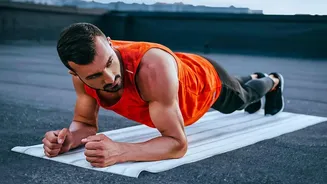
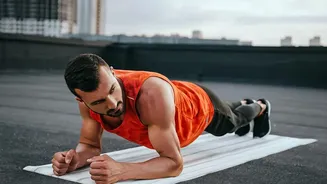
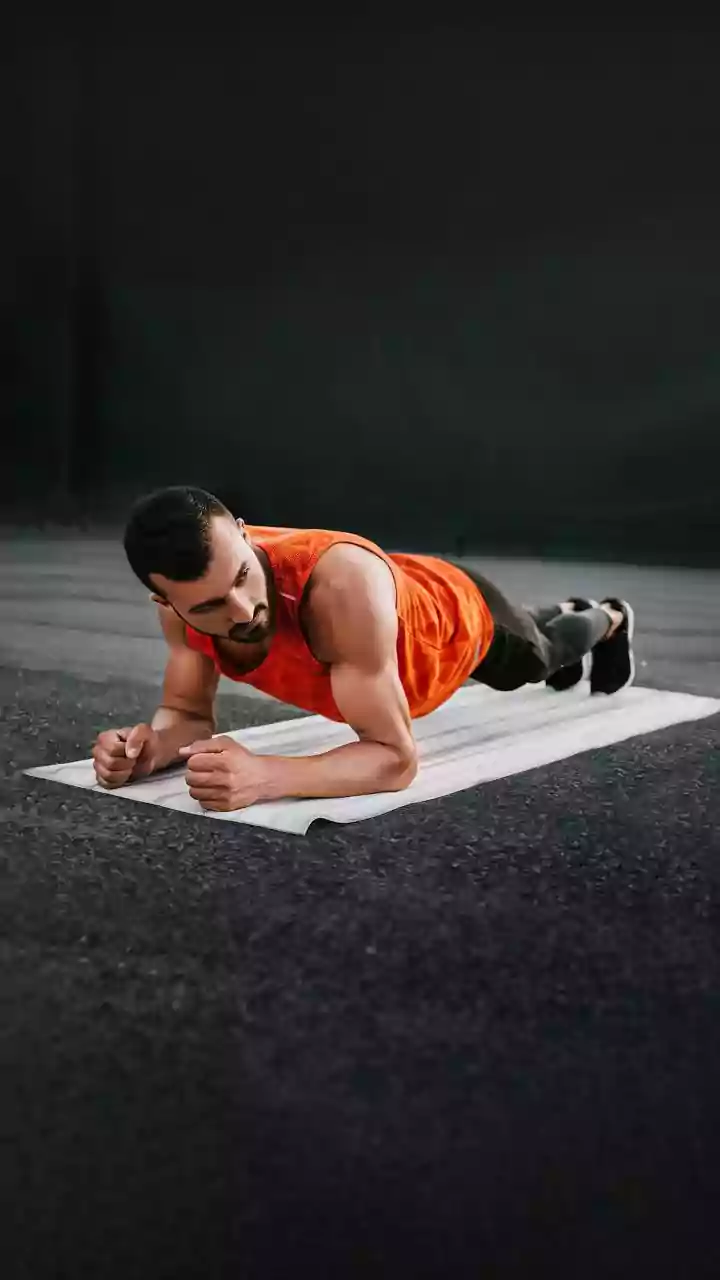
You’ve been diligently holding your planks, increasing your time week by week. In the beginning, you felt yourself getting stronger. But now, progress has slowed to a crawl. This is a classic workout plateau. It happens when your body adapts to a specific
exercise, becoming so efficient at the movement that it no longer needs to work as hard. For your muscles to grow stronger and become more defined, they need to be consistently challenged. Doing the same static plank day after day means you're primarily working the same muscles in the exact same way. Eventually, your body gets the message and stops responding with the same rapid gains you saw initially.
Why Variation Is the Key
The solution is to introduce variety. Adding plank variations to your routine is like cross-training for your core. These modified movements challenge your stability and force your muscles to adapt in new ways. By changing the angle of your body or adding movement, you recruit a wider range of muscle fibers. A standard plank is fantastic for the transverse abdominis (your deep core muscles) and rectus abdominis (the 'six-pack' muscles). But variations bring other crucial players into the game, like the obliques along your sides and the erector spinae in your lower back. This comprehensive engagement builds a truly strong, balanced, and visually sculpted core.
Variation to Try: Side Plank
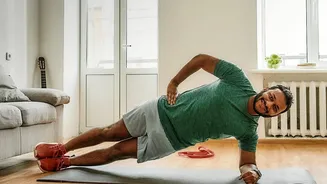
The side plank is a must-do for targeting the obliques, the muscles responsible for a trim waistline and rotational strength. To perform it, lie on your side with your legs stacked. Prop your body up on your forearm, ensuring your elbow is directly beneath your shoulder. Lift your hips until your body forms a straight line from your ankles to your head. The key is to avoid letting your hips sag. This exercise chisels the sides of your core in a way a standard plank simply cannot. Aim to hold for 30 seconds on each side.
Variation to Try: Plank with Leg Raise
This variation adds an element of instability, forcing your core to work overtime to keep your body from tipping. Start in a standard high plank or forearm plank position. While keeping your back flat and your hips level, slowly lift one leg a few inches off the ground. Hold for a moment before lowering it with control, then alternate legs. This seemingly small movement dramatically increases the demand on your deep core stabilizers and also engages your glutes, adding another layer of functional strength.
Variation to Try: Plank Shoulder Taps
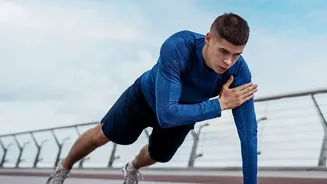
For this move, start in a high plank position with your hands directly under your shoulders and your feet slightly wider than hip-width apart for better stability. The goal is to keep your torso as still as possible. Slowly lift one hand and tap the opposite shoulder, then return your hand to the floor and repeat on the other side. This challenges your anti-rotation strength, forcing your obliques and transverse abdominis to fire intensely to prevent your hips from swaying. It builds core stability that translates directly into better performance in other athletic movements and daily activities.
Putting It All Together
You don't need to abandon the standard plank entirely. Instead, use it as a foundation and build from there. A great way to structure your core workout is to start with a standard plank to engage the primary muscles. Then, add two or three different variations into your routine. You could perform each variation for a set time, like 30-45 seconds, or for a specific number of reps, like 10-12 shoulder taps or leg raises per side. By constantly mixing up the stimulus, you keep your muscles guessing, prevent plateaus, and accelerate your journey toward a stronger, more sculpted core.