

The Science of Contrast
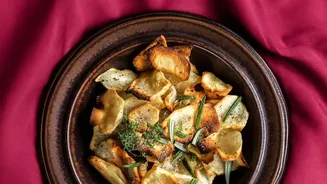
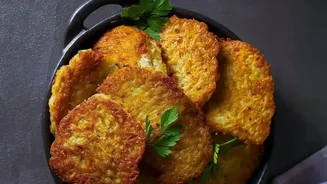
Our love for that crispy-soft potato combination is deeply rooted in sensory science. The brain delights in textural contrast. The audible crunch of a perfectly roasted edge signals satisfaction before the first bite is even finished. This is immediately
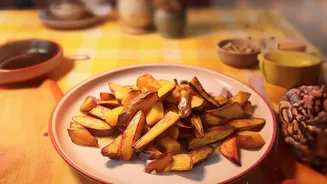
followed by the yielding, steamy softness of the interior. This dynamic duo—the crispy shell giving way to a pillowy centre—creates a more engaging and memorable eating experience than a uniform texture ever could. It’s a simple principle that chefs use constantly, and the humble potato is perhaps its greatest canvas. The journey from a dense, raw tuber to this state of dual-textured perfection involves two key chemical processes working in harmony.
Achieving the Golden Crisp
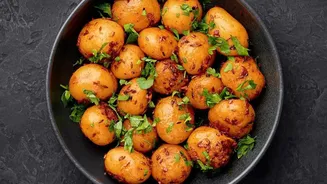
That beautiful golden-brown crust is the result of the Maillard reaction, a complex chemical cascade that occurs when the sugars and amino acids in food are exposed to high, dry heat. To get it, moisture is the enemy. The potato's surface must be as dry as possible so its temperature can soar past the boiling point of water. Many recipes call for parboiling the potatoes first. This not only begins the cooking process but, crucially, helps to create a fluffy, starchy layer on the outside when the potatoes are drained and shaken. This roughed-up surface has more area to catch the hot oil and brown, creating an exceptionally crisp and craggy crust in the oven. Using a hot pan and not overcrowding it are also vital steps, as this ensures the potatoes roast rather than steam.
Mastering the Fluffy Centre
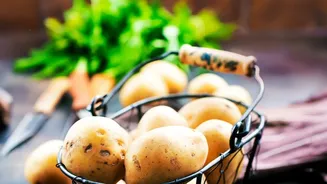
While the Maillard reaction works its magic on the outside, a different process called starch gelatinization is happening inside. As the potato heats, its tightly packed starch granules absorb the surrounding water, swelling until they burst. This releases long carbohydrate chains, transforming the potato’s interior into a soft, fluffy, almost steam-cooked sponge. The choice of potato is critical here. High-starch, or 'mealy', potatoes like Russets or Maris Pipers are ideal. They have a floury, dry texture and low moisture content, which allows the starches to swell and separate, creating that desired light and fluffy result. Waxy potatoes, which have more moisture and less starch, tend to hold their shape and are better suited for salads or boiling.
The Role of Aromatic Herbs
Once you have the texture down, herbs are what elevate the flavour from good to unforgettable. They do more than just add a hint of green; their aromatic oils infuse the cooking fat and the potatoes themselves, creating layers of flavour and an enticing aroma. However, not all herbs are created equal, and timing is everything. Herbs can be divided into two main categories: woody (or hard) and soft. Understanding the difference is key to unlocking their full potential. Adding the right herb at the right time ensures its flavour complements the potato rather than getting lost or becoming bitter.
When and How to Add Your Herbs
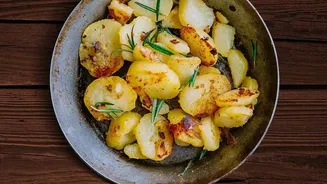
Woody herbs like rosemary, thyme, sage, and oregano have tough stems and leaves that can withstand long cooking times. In fact, they need the prolonged heat to fully release their potent, resinous oils. These are best added at the beginning of the roasting process, tossed with the potatoes and oil. As the potatoes cook, the herbs will become fragrant and infuse the entire dish. Soft herbs, on the other hand, have tender leaves and delicate flavours. Varieties like parsley, dill, cilantro, chives, and basil will lose their freshness and turn bitter if cooked for too long. These should be added right at the end of cooking or tossed with the hot potatoes just before serving to preserve their bright, vibrant notes.
Putting It All Together
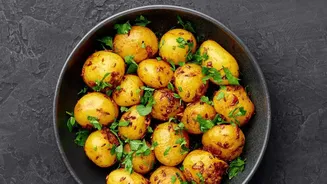
For a classic flavour profile, toss parboiled and dried potato chunks with olive oil, salt, pepper, and generous sprigs of fresh rosemary and thyme. Roast in a hot oven until deeply golden and crisp, turning every 20 minutes or so for even browning. For a brighter, fresher take, roast your potatoes with just oil, salt, and pepper. Once they are crispy and pulled from the oven, immediately toss them in a bowl with a heap of freshly chopped parsley, dill, and chives, and maybe a squeeze of lemon juice to make the flavours pop. The residual heat will gently wilt the herbs, releasing their fragrance without cooking away their freshness.