

A Tragedy in the Himalayas
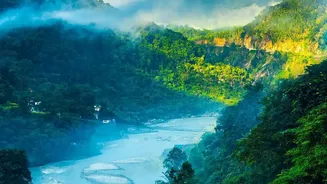
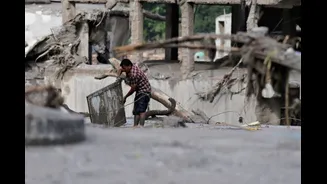
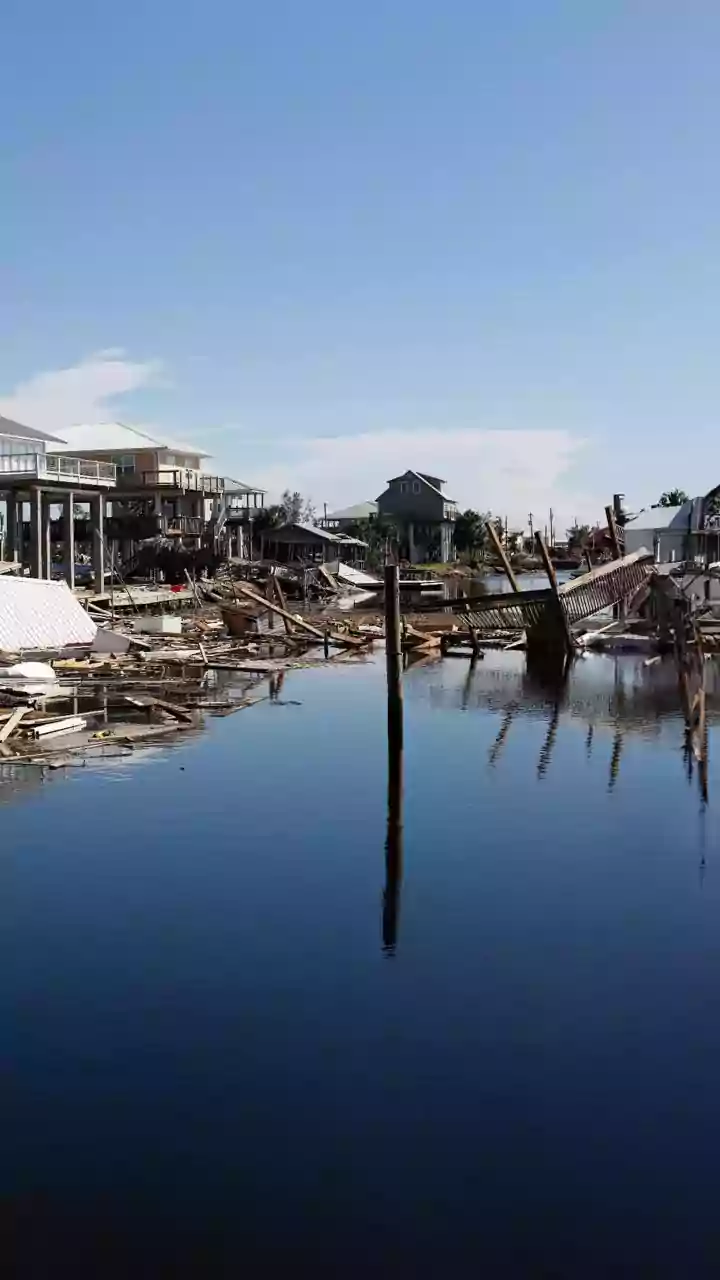
On August 26, 2026, a massive glacier collapse in Langtang National Park triggered a devastating flash flood. A fast-moving wall of water, ice, and rock surged down the Bhote Koshi and Trishuli river corridors, wiping out entire settlements. The disaster
resulted in a tragic loss of life, with over 1,100 people killed and thousands more missing as of early September. The torrent of debris destroyed critical infrastructure, including roads, bridges, and numerous hydropower projects, primarily in the Rasuwa and Nuwakot districts. The event was a harrowing reminder of the power of nature in the high Himalayas, leaving communities shattered and a massive clean-up operation underway.
An Industry on High Alert
The timing could not have been worse for Nepal's tourism sector. The floods struck just as the country was gearing up for its peak September-to-November trekking season, a period that typically accounts for nearly 40 percent of its annual tourist arrivals. As harrowing images of the destruction spread globally, the industry braced for impact. Hotel owners in Kathmandu reported a wave of cancellations, with some losing up to 20 percent of their bookings in the week following the disaster. The fear among tourism entrepreneurs was that potential visitors would perceive the entire country as unsafe, threatening the livelihoods of guides, porters, and local businesses even in areas hundreds of kilometres away from the floods.
Crafting a Careful Message: #NepalCalling
In response, Nepal's government and tourism bodies launched a strategic communication campaign to prevent a total collapse in visitor confidence. The core message is nuanced and direct: the tragedy is immense, but it is geographically localised. Officials have stressed that major tourist hubs like Kathmandu, Pokhara, and Chitwan, along with premier trekking regions such as Everest and Annapurna, were completely untouched by the disaster and remain fully operational. Nepal's Tourism Minister, Khadak Raj Paudel, took to social media with an appeal under the hashtag #NepalCalling. He urged travellers not to cancel, reframing their visit as a crucial act of support. “Your coming to Nepal this time does not mean only a holiday,” he said. “It's a big support to the country fighting this catastrophic tragedy.”
What Travellers Need to Know
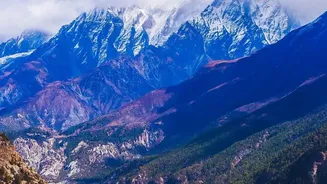
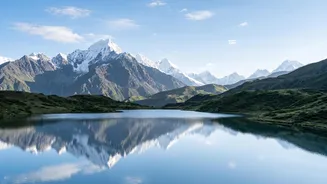
For potential visitors, the message from trekking agencies and officials is one of cautious optimism. The primary area to be avoided is the Langtang region, which was directly in the flood's path. Access roads to the popular Langtang Valley trek have been severely damaged or destroyed, and the route is considered closed until further notice. However, the vast majority of Nepal's famed trekking circuits are open. The Trekking Agencies' Association of Nepal (TAAN) has issued safety assessments confirming that trails in the Everest, Annapurna, Manaslu, Kanchenjunga, and Makalu regions are safe and operating normally. The key is for travellers to do their research, consult with reputable local agencies, and understand that their presence in unaffected areas is a vital form of economic relief.