





An Insurance Crop Reimagined
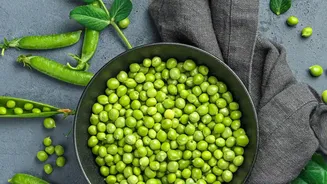
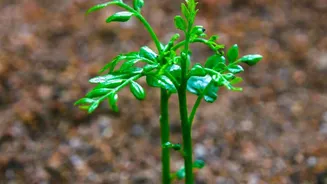
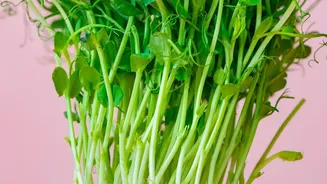
Known to scientists as Lathyrus sativus, the grass pea is a hardy annual legume that has been cultivated for thousands of years, particularly in South Asia and parts of Africa. It earned a reputation as an 'insurance crop' or 'famine food' because of its
remarkable ability to produce a reliable yield when other crops fail. Historically grown in regions like Bihar, West Bengal, and Chhattisgarh, it’s a plant that asks for very little. Its ability to thrive in poor soils and survive extreme weather has made it a lifeline for subsistence farmers for centuries. Now, agricultural scientists and food innovators are looking at these survival traits not as a last resort, but as a blueprint for the future of farming.
The Low-Input Advantage
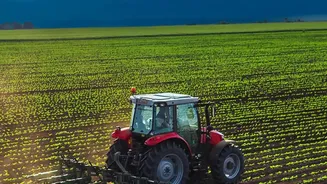
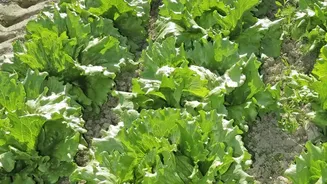
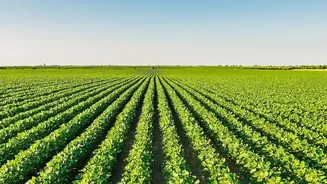
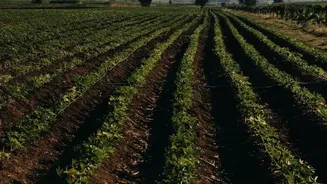
For farmers, the term 'low-input' is music to the ears, translating to lower costs and less risk. The grass pea excels in this regard. Firstly, it is incredibly drought-tolerant and can also withstand waterlogging, making it suitable for regions with erratic rainfall. Secondly, as a legume, it fixes its own nitrogen in the soil, drastically reducing or even eliminating the need for expensive nitrogen fertilisers. This not only saves money but also improves soil fertility for subsequent crops in a rotation. Furthermore, it shows a natural resistance to many pests and diseases that plague other pulse crops. In an era of climate change and rising input costs, these characteristics make the grass pea a very attractive and sustainable business proposition for farmers, especially in rice-fallow systems where it can be grown as a second crop using residual moisture.
A Complicated History
Despite its strengths, the grass pea has a controversial past. Traditional varieties contain a neurotoxin called β-ODAP. When consumed in large quantities over a prolonged period, as can happen during a famine where it becomes the sole source of food, ODAP can cause a debilitating and irreversible paralysis of the lower limbs known as neurolathyrism. This health risk has stigmatised the crop, leading to cultivation bans in some areas and relegating it to an 'orphan crop' status, largely ignored by mainstream agricultural research for decades. The risk is highest for malnourished populations who rely on it as their primary protein source for months on end.
A Modern Scientific Makeover
The story of the grass pea is now one of scientific redemption. Researchers are tackling the ODAP issue head-on. Through extensive breeding programs, scientists have successfully developed new varieties with toxin levels well below the safe threshold of 0.1%. Varieties like 'Prateek' and 'Ratan' are already being promoted in India, offering farmers a high-yielding and safe alternative. Efforts by international bodies like ICARDA and projects like the Biotech-KISAN programme are reintroducing these improved varieties to farmers, complete with scientific cultivation practices that maximise yield and income. Beyond breeding, simple processing methods like soaking seeds in water can also significantly reduce ODAP content.
The Plant-Based Protein Potential
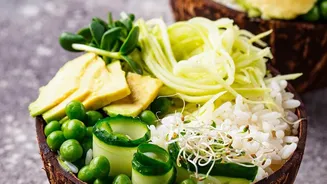
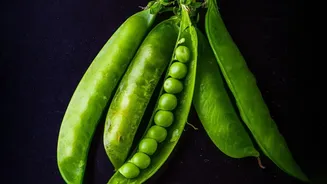
With the safety concerns being addressed, the focus is shifting to the grass pea's huge potential in the booming plant-based food market. The legume boasts a high protein content, ranging from 28% to 34%, which is significantly higher than some other common pulses. This makes it an excellent raw material for creating protein-rich ingredients. Like the popular yellow pea, which is now a staple in everything from meat substitutes to protein shakes, the grass pea could be milled into flour or processed to create protein isolates and concentrates. Its flour can be used in baking or to enrich other foods, while its whole form can be used in dishes just like lentils or other dals, offering a nutritious, high-protein, and locally sourced option for consumers.