


Understanding the Basics
Thanks to special treaties, Indian citizens enjoy the privilege of entering Nepal and Bhutan without a visa. This simplifies travel immensely, fostering deep cultural and tourism ties. However, this ease of access is governed by clear regulations regarding
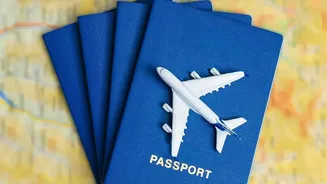
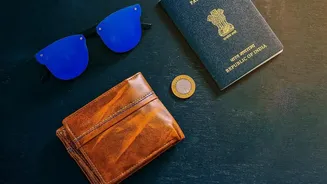
acceptable travel documents. A recent amendment to India's immigration rules, effective from November 2026, reinforces that travellers must produce a specified identity document at immigration. Simply assuming any government ID will work can lead to serious issues at the border or airport. The two most consistently accepted documents are a valid Indian Passport and an original Voter ID card issued by the Election Commission of India. Documents like the Aadhaar card, PAN card, or driving licence are explicitly not accepted as standalone travel documents for entry.
For Travel to Nepal
For Indian citizens travelling to Nepal by air, immigration authorities are very specific. You must present either a valid Indian passport or an original Voter ID card with a photograph. It is crucial to note that digital or downloaded copies of the Voter ID are not accepted for air travel; you must have the physical card. While a passport is the most straightforward option, the Voter ID is a valid alternative for adults. For children and teenagers under the age of 18, the rules can vary. It is generally advised for them to carry their passport. If they do not have one, a birth certificate and a school identity card may be permissible, but it is essential to confirm this with your airline before booking, as requirements can differ. For land travel, the same primary documents—passport or Voter ID—are recommended.
For Travel to Bhutan
While Bhutan also does not require a visa for Indian nationals, it has a different system involving an 'Entry Permit'. This permit is issued on arrival at Paro International Airport or at land border crossings like Phuentsholing. To obtain this permit, adults must present either a valid Indian Passport with at least six months of validity or an original Voter ID card. Again, other documents like Aadhaar are not accepted for entry. For children under 18 without a passport, an original birth certificate (in English) is required, and they must be accompanied by a legal guardian. Travellers are also advised to carry a couple of recent passport-sized photographs, which are needed for the permit process.
The Sustainable Development Fee in Bhutan
A key aspect of travel to Bhutan that every Indian tourist must be aware of is the Sustainable Development Fee (SDF). To maintain its 'High Value, Low Volume' tourism policy, Bhutan levies this fee on all tourists. Indian nationals pay a concessional rate of INR 1,200 per person, per night. This fee is mandatory and separate from your accommodation and tour costs. Children between the ages of 6 and 12 pay a discounted rate, while those under 6 are exempt. The SDF must be paid when processing your entry permit, which can be done online in advance to save time at the border or upon arrival.
Important Transit Rules to Know
The travel document exemptions for Nepal and Bhutan come with a significant condition: they only apply for direct travel between India and these two countries. If you are an Indian citizen using Nepal or Bhutan as a transit point to travel to another country (for example, flying from Kathmandu to Bangkok), you must carry a valid Indian passport. The Voter ID exemption does not apply in this scenario, and you must use designated immigration posts for your entry and exit from India.