







The Price Outlook to 2027
According to S&P Global Energy, crude oil prices are expected to remain in a broad range of $80-$100 per barrel through 2027. Specifically, their forecast anticipates Dated Brent will average around $90 or higher for the rest of 2026 before settling to an average of $86
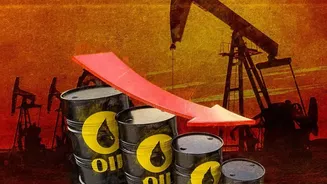
in 2027. This represents a $5 increase from their previous outlook, signalling persistent market tightness. However, this base case is just one of several possibilities. Other analyses, such as from Goldman Sachs, highlight extreme volatility, with scenarios where Brent crude could average $125 per barrel in 2027 if Gulf production is severely disrupted, or fall into the $60s if supply recovers more quickly than anticipated. This wide forecast range underscores a single, crucial point: the future of oil prices hinges almost entirely on the stability of supply.
Why Supply Is the Ultimate Wildcard
While global oil demand is softening slightly due to economic conditions, it follows a relatively predictable path. Supply, on the other hand, is subject to sudden shocks and strategic decisions that can change the landscape overnight. Geopolitical conflicts, like the ongoing tensions in the Middle East and the war in Ukraine, are the most significant drivers of this uncertainty. These events don't just threaten physical barrels; they introduce a 'risk premium' into the price, as traders bet on potential future disruptions. Damage to infrastructure, attacks on shipping lanes like the Strait of Hormuz, and sanctions can instantly remove millions of barrels from the market, as seen with the disruptions that began in February 2026. Consequently, any forecast is less a prediction and more a complex assessment of these ever-shifting supply-side risks.
OPEC+ Policy and Geopolitical Tensions
The Organization of the Petroleum Exporting Countries and its allies (OPEC+) remains the most influential force in managing global oil supply. The group's decisions on production quotas can create or erase a supply deficit in a matter of months. Recently, OPEC+ has increased production to help stabilize a market rattled by conflict, with Saudi Arabia leading a significant output jump in September 2026. However, this came after months of severe disruption. At the same time, Russian output has seen declines amid its own conflict. Looking ahead, the key question is how OPEC+ will balance its members' revenue needs with global economic health. Another major factor is the need to replenish global oil inventories, which were heavily drawn down to cushion the market from recent shocks. OPEC has signalled that this rebuilding effort will bolster demand in 2027, keeping prices firm.
The US Shale Factor
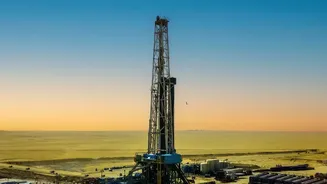
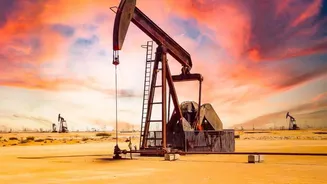
For the past decade, the US shale industry has acted as a critical swing producer, ramping up production to meet global shortfalls. However, that era of explosive growth appears to be maturing. According to the US Energy Information Administration (EIA), US oil production is expected to plateau around 2027. While the US will remain a dominant producer, the growth rate is slowing as drillers work through the most productive wells. This suggests the world can no longer rely on a rapid surge from US shale to easily offset supply disruptions elsewhere. Analysts at Enverus note that while US shale is 'aging, not broken', rising marginal supply costs and geological constraints mean future expansion will be much more moderate. As US growth flattens, the strategic importance of other non-OPEC producers, such as those in Canada and South America, will rise.
Navigating an Uncertain Market
For businesses and consumers in India, a net oil importer, this outlook calls for strategic vigilance. The core forecast from S&P Global suggests elevated prices will persist, impacting everything from transport costs to raw material inputs. The wide range of potential outcomes—from $60 to over $125 per barrel—highlights the vulnerability of the global market to supply shocks. Factors to watch include the de-escalation or intensification of Middle East conflicts, the unity and policy of OPEC+, and whether new investments in exploration can offset the plateauing of US shale. S&P Global notes that a current lack of global refining capacity is actually putting some downward pressure on crude prices, a small silver lining in a tight market. Ultimately, the path oil takes toward 2027 will not be a straight line, but one defined by geopolitical events and the resulting reactions of a finely balanced supply chain.