






How Yoga Calms a Troubled Tummy
Before diving into the poses, it helps to understand why yoga works. The practice has a powerful effect on the gut-brain axis, the communication network connecting your digestive system and your mind. Chronic stress can throw this system out of balance,
slowing digestion and causing issues like bloating and cramping. Yoga, particularly through deep breathing and gentle movements, activates the 'rest-and-digest' part of your nervous system (the parasympathetic nervous system). This activation tells your body it's safe to focus on essential functions like digestion. Furthermore, specific movements like twists and forward folds act as an internal massage for your digestive organs, stimulating blood flow, encouraging the movement of food and waste, and helping to release trapped gas.
Cat-Cow Pose (Marjaryasana-Bitilasana)
This dynamic, flowing movement is a perfect warm-up that gently massages your abdominal organs. The rhythmic motion of arching and rounding your spine stimulates blood flow to the intestines, which can help relieve discomfort from gas and bloating. How to do it: Start on your hands and knees in a tabletop position, with wrists under your shoulders and knees under your hips. As you inhale, drop your belly towards the mat, lift your chest and tailbone, and look forward into Cow Pose. As you exhale, round your spine toward the ceiling, tucking your chin to your chest, for Cat Pose. Continue flowing between these two poses for 5 to 10 breaths, syncing your movement with your breath.
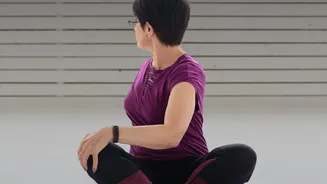
Seated Spinal Twist (Ardha Matsyendrasana)
Twisting poses are fantastic for digestive health because they create a 'wringing out' effect. This motion can reduce blood flow to your digestive organs momentarily, and when you release the twist, a rush of fresh, oxygenated blood floods the area. This process helps cleanse and stimulate organs like the liver and kidneys, supporting detoxification and elimination. How to do it: Sit on the floor with your legs extended. Bend your right knee and place your right foot on the floor outside your left thigh. You can keep your left leg straight or bend it in. Inhale to lengthen your spine, then exhale as you twist your torso to the right. Hook your left elbow outside your right knee and place your right hand on the floor behind you for support. Hold for 5 to 8 breaths, then gently unwind and repeat on the other side.
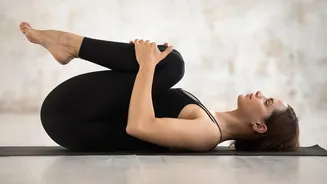
Wind-Relieving Pose (Apanasana/Pawanmuktasana)
The name says it all. This simple floor-based pose is one of the most effective for relieving trapped gas and bloating. By hugging your knees to your chest, you apply gentle, targeted pressure to the abdomen, which can physically help move gas through the intestines and ease discomfort. It's a calming pose that can be done anytime you feel abdominal pressure. How to do it: Lie on your back and draw both knees toward your chest. Clasp your hands around your shins or behind your thighs. Keep your back and shoulders relaxed on the floor. You can hold still or gently rock from side to side for a minute to give your lower back a light massage.
Supine Spinal Twist (Supta Matsyendrasana)
This is a more passive, restorative twist that accomplishes many of the same digestive benefits as its seated counterpart but with less effort. It gently massages the ascending and descending colon, which can stimulate peristalsis—the muscular contractions that move waste through your digestive tract. This makes it excellent for relieving constipation and general sluggishness. How to do it: Lie on your back and pull your knees into your chest. Extend your arms out to the sides in a 'T' shape. As you exhale, gently drop both knees over to your right side, keeping both shoulders pressing down toward the floor. You can turn your gaze to the left for a deeper stretch. Hold for 5 to 10 deep breaths, then inhale to bring your knees back to the center and repeat on the left side.
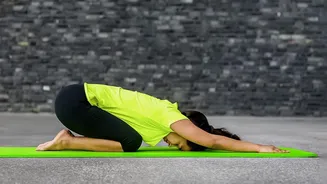
Child's Pose (Balasana)
While it may seem like just a resting posture, Child's Pose is incredibly beneficial for digestion. It provides a gentle compression on the abdomen, which can help stimulate digestive organs. More importantly, it is a deeply calming pose that activates the parasympathetic nervous system, helping to reduce the stress that can contribute to digestive upset. How to do it: Kneel on the floor, touch your big toes together, and sit on your heels. Separate your knees about as wide as your hips. Fold forward, resting your torso between your thighs and bringing your forehead to the mat. You can stretch your arms out in front of you or rest them alongside your body with palms facing up. Breathe deeply into your belly for at least one minute.