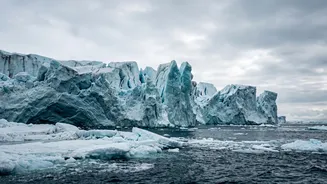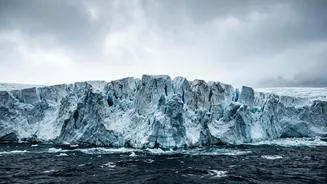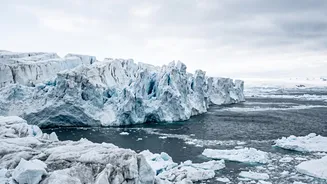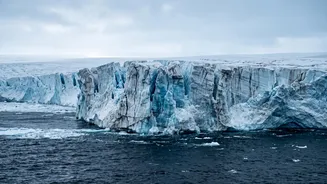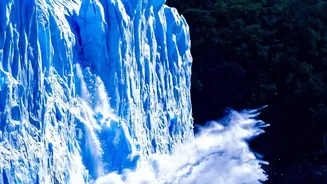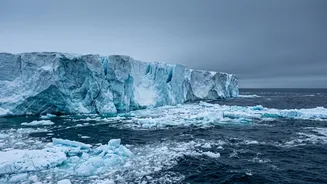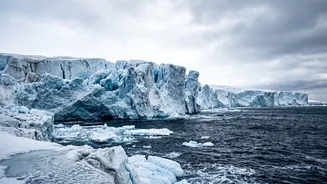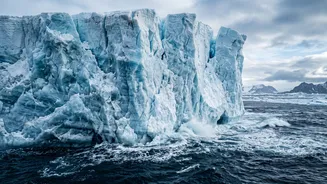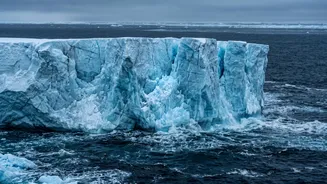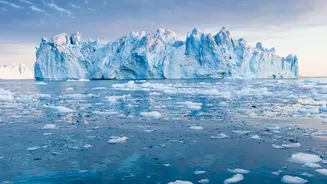




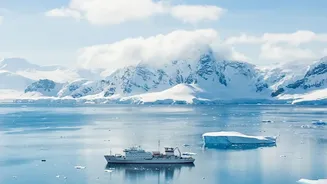
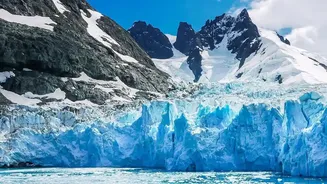
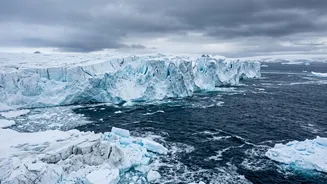
In West Antarctica lies a colossal ice stream the size of Florida, nicknamed the 'Doomsday Glacier'. New research confirms a frightening reality: warm ocean water is pushing further beneath it than ever thought, speeding up a melt with global consequences.
The 'Doomsday Glacier' Explained
Thwaites Glacier is one of the largest and fastest-changing glaciers in the world. Its ominous nickname comes from the catastrophic impact its collapse would have on global sea levels. The glacier alone holds enough ice to raise the world's oceans by an estimated 65 centimetres, or over two feet. But more critically, it acts as a natural cork, holding back the rest of the vast West Antarctic Ice Sheet. If Thwaites were to fail, it could trigger a wider collapse that would lead to a devastating three-metre rise in sea levels, redrawing coastlines and affecting hundreds of millions of people in low-lying areas.
A Hidden Threat: Ocean Intrusion
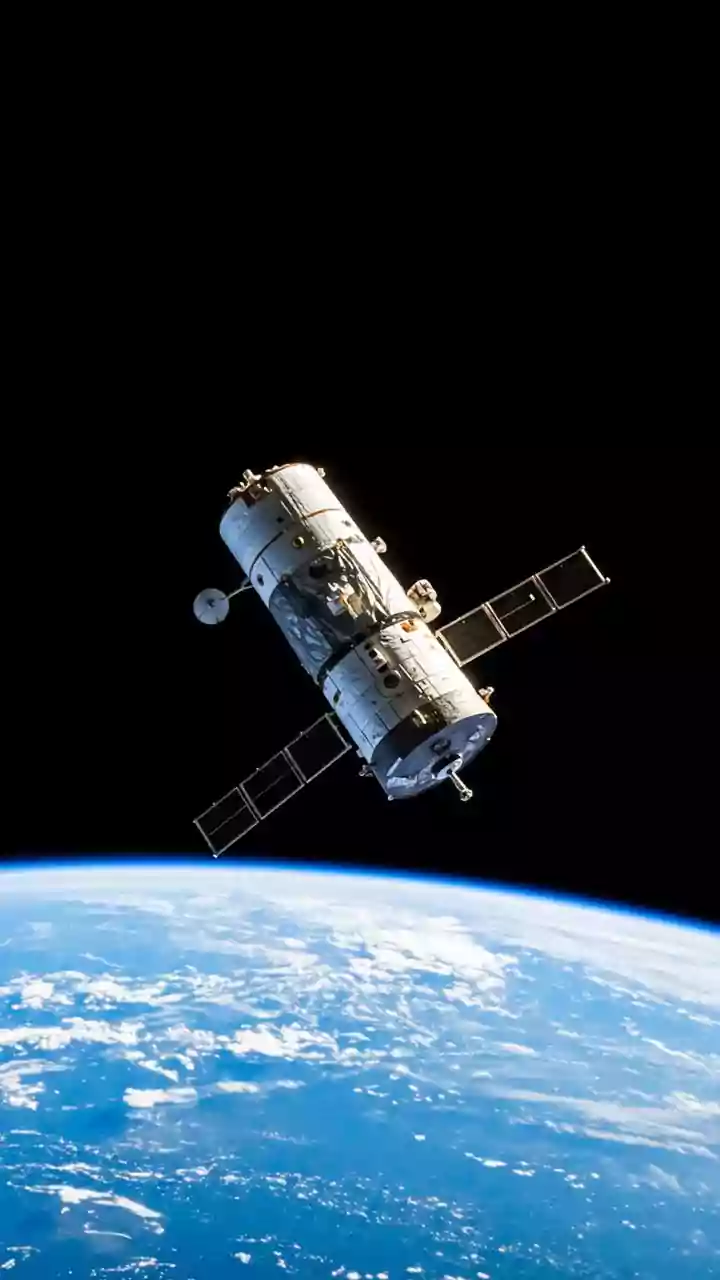
The greatest danger to Thwaites isn't from surface melting, but from below. Relatively warm, salty ocean water is a key factor, eating away at the glacier's base where the ice lifts off the seafloor and begins to float. This critical point is known as the 'grounding line'. For years, scientists modelled this as a fixed, stable line. However, recent findings have shattered that assumption. Satellite data now provides visible evidence that tides are actively pumping warm seawater deep beneath the grounded ice, in some cases for several kilometres. This process of 'tidal pumping' creates a much wider, more volatile 'grounding zone', dramatically increasing the area of ice exposed to melting.
What the Latest Research Reveals
Updated research published in late 2026 presents a more alarming picture. By incorporating this dynamic grounding zone into new computer models, scientists from institutions like UC Irvine and NASA's Jet Propulsion Laboratory found that previous projections may have been significant underestimates. The new models, which better match historical satellite observations, suggest that Thwaites' contribution to sea level rise by the year 2100 could be up to 30 millimetres (1.2 inches) — double the previous estimates. Worryingly, this accelerated melting is projected to happen even without any further increase in global warming, as the process has been locked in by past events.
Racing Past the Point of No Return
The ocean intrusion is not just melting the ice; it is weakening the glacier's grip on the seabed. Thwaites is currently held back by a series of underwater ridges that act as stabilising anchors. The constant flushing of warm water is accelerating the 'unpinning' of the glacier from a key feature called the Mouginot Ridge. Recent simulations show a 60% probability that Thwaites will become detached from this ridge before the end of the century. Once that happens, the glacier will retreat rapidly across a downwardstoping seafloor into a deeper basin, exposing even more ice to the warm ocean and likely speeding up the melt significantly. Some scientists warn this tipping point could be reached in just 10 to 20 years.
Global Consequences for Coastal Nations
While a few centimetres of sea level rise may sound minor, the impact is massive. Every centimetre of global sea level rise exposes approximately six million additional people to the risk of coastal flooding. For a country like India, with its extensive, densely populated coastline and major cities like Mumbai, Chennai, and Kolkata, the accelerated melt of Thwaites is a direct and pressing threat. The consequences extend beyond flooding to include saltwater intrusion into freshwater sources, which can ruin fertile soil for agriculture and contaminate drinking water. The new research underscores that the fate of this distant Antarctic glacier is directly linked to the future stability and prosperity of coastal communities worldwide.