







The Myth of a One-Size-Fits-All Breakfast
We often hear about 'miracle' breakfasts for better digestion, but nutrition is highly personal. This concept is known as bio-individuality. Factors like your unique gut microbiome—the trillions of bacteria in your digestive tract—genetics, age, and even
stress levels determine how you process food. One person might thrive on a bowl of oatmeal, while another finds it causes bloating. Someone else may digest fruit best when it's cooked, not raw. This is why a rigid recipe can't be a universal solution; your body has its own unique needs and preferences. Instead of searching for a single perfect meal, the goal is to learn what makes a breakfast gentle and then customize it for your own system.
Core Principles of a Gentle Breakfast
A 'gentle' breakfast is one that your body can break down and absorb with minimal stress. These meals are typically built on a few key ideas. First, they focus on whole, unprocessed foods that are rich in natural fibre and nutrients. This helps support a healthy gut. Second, they are low in common irritants like excessive grease, processed sugars, and heavy spices that can trigger discomfort. Third, the cooking method matters. Steaming, boiling, or stewing foods can make them easier to digest than frying or eating them raw. The goal is to provide sustained energy without overwhelming your digestive system first thing in the morning.
Building Block 1: The Carbohydrate Base
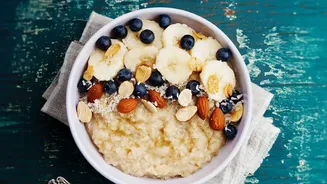
Carbohydrates provide the energy to start your day, but the source is crucial. For a gentle start, choose easily digestible, whole-food options. Think of steamed rice cakes like idli, which are fermented and light. Poha, or flattened rice, when cooked with minimal oil and gentle spices, is another excellent choice that is common in many Indian households. Oats are also a fantastic source of soluble fibre, which forms a gel-like substance that soothes the digestive tract. Preparing them as a simple porridge or upma can be very comforting. These options provide steady energy without the heaviness of processed breads or pastries.
Building Block 2: The Protein Partner
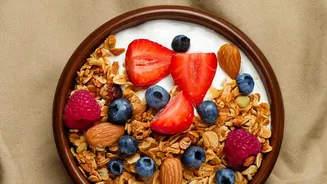
Protein is vital for keeping you full and stabilizing blood sugar, but some sources are easier on the stomach than others. Probiotic-rich curd (dahi) or yogurt is a superb choice, as it contains beneficial bacteria that support gut health. If you are sensitive to lactose, lactose-free options are available. Soft-scrambled or boiled eggs are another easily absorbed protein. For a plant-based option, a moong dal cheela (a savoury crepe made from lentils) is high in protein yet famously light and easy to digest. A small serving of soaked almonds or walnuts can also add protein and healthy fats without being too heavy.
Building Block 3: Fruits, Fats, and Flavours
While fruits are healthy, their high fibre content can be challenging for some when eaten raw. Try stewing fruits like apples or pears with a pinch of cinnamon. Cooking breaks down the fibres, making them much gentler on the gut. A spoonful of healthy fat from ghee or a sprinkle of chia or flax seeds can aid digestion and nutrient absorption. When it comes to flavour, turn to warming, anti-inflammatory spices like ginger, cardamom, or turmeric instead of hot chillies. Ginger, in particular, is well-known for its ability to soothe the stomach and aid digestion.
Listen to Your Body and Experiment
The ultimate guide to your perfect breakfast is your own body. Start by combining these building blocks in simple ways. For example, try a bowl of poha with a side of curd, or masala oats topped with stewed apple and a few soaked almonds. Pay attention to how you feel an hour or two after eating. Do you feel energised and light, or bloated and sluggish? Keeping a simple food journal for a week can reveal patterns you might not have noticed. This process of mindful eating and observation is far more effective than following any single recipe you find online. It empowers you to create a morning ritual that truly nourishes your unique system.