






A New Home After 144 Years
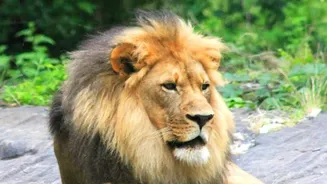
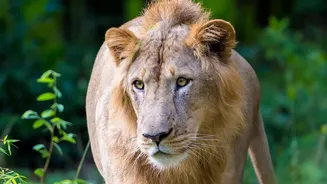
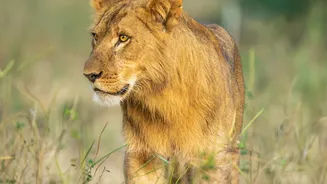
For the first time since 1879, lions roam the hills of Barda Wildlife Sanctuary. Located about 100 kilometres from the famous Gir National Park, Barda is now officially the second home for the world's last wild population of Asiatic lions. The process
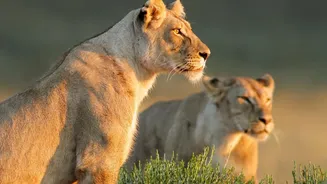
began with the natural migration of a male lion in early 2023, an event that confirmed the sanctuary's potential. Following this, the Gujarat Forest Department translocated five lionesses to establish a breeding population. The pride has since grown to include 17 individuals, with six adults and eleven cubs, marking a milestone for Project Lion, India's flagship conservation initiative for the species. To support these apex predators, authorities are actively improving the habitat and increasing the prey base by translocating animals like spotted deer and sambar into the sanctuary.
De-Risking a National Treasure
The success of lion conservation in Gir has become its own challenge. The park is overcrowded, with a population that has grown to nearly 900 individuals. This high density makes the entire species dangerously vulnerable. Conservation experts have long warned that keeping all of India's lions in a single location is a massive gamble. A single catastrophic event, such as a disease outbreak or a natural disaster, could wipe out a significant portion of the population. This isn't a theoretical threat; in 2018, an outbreak of Canine Distemper Virus (CDV) killed over two dozen lions in Gir, highlighting the fragility of the single population. Establishing a second, geographically separate population in Barda is a form of ecological insurance, reducing the risk of a single event leading to extinction.
The Genetic Imperative
Beyond the immediate physical risks, genetic health is a primary concern for the long-term survival of the Asiatic lion. The entire population is descended from a very small number of individuals that survived hunting pressures in the early 20th century. This created a 'population bottleneck', resulting in low genetic diversity. Limited genetic variation can make a species more susceptible to diseases and can lead to reproductive issues over time. By creating a second population, conservationists can manage the lions as two separate groups, or metapopulations. This allows for the potential for different genetic traits to emerge and provides a buffer against the negative effects of inbreeding. The Barda population offers a chance to build a genetically robust pride that can contribute to the species' resilience for generations to come.
A Victory for Project Lion
The successful establishment of lions in Barda is a significant achievement for Project Lion, a government initiative modeled after the successful Project Tiger. The project aims to manage the expanding lion population, which has now spread far beyond the protected confines of Gir into a landscape spanning over 30,000 square kilometers. This expansion has led to increased human-lion conflict and other challenges. The designation of Barda as a second home is a proactive management strategy. It's a formal recognition that the lions need more space and that conservation efforts must extend to creating and protecting new habitats. This move showcases a forward-thinking approach, shifting from simply protecting lions in one park to actively managing a healthy, distributed population across a broader landscape.
Challenges on the Horizon
While the return of lions to Barda is a triumph, it is not without challenges. The sanctuary is relatively small at just over 192 square kilometers, and its current prey base is still thin, requiring ongoing augmentation. Moreover, Barda is only 100 km from Gir, which some experts argue is not distant enough to fully insulate the new population from a widespread disease epidemic that could sweep through the Saurashtra region. Ensuring the long-term success of this second home will require continuous monitoring of the lions, careful management of the habitat, and, crucially, securing the support and cooperation of the local communities living around the sanctuary to mitigate potential human-wildlife conflict. The journey for the lions of Barda is only just beginning.