


The Nutritional Breakdown
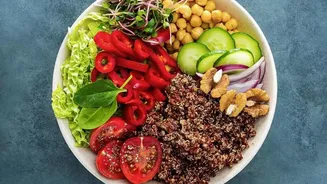
On the surface, both grains are powerhouses. Quinoa, a seed from South America, has earned global fame for being a 'complete protein', meaning it contains all nine essential amino acids our bodies can't produce. A 100g serving of uncooked quinoa offers
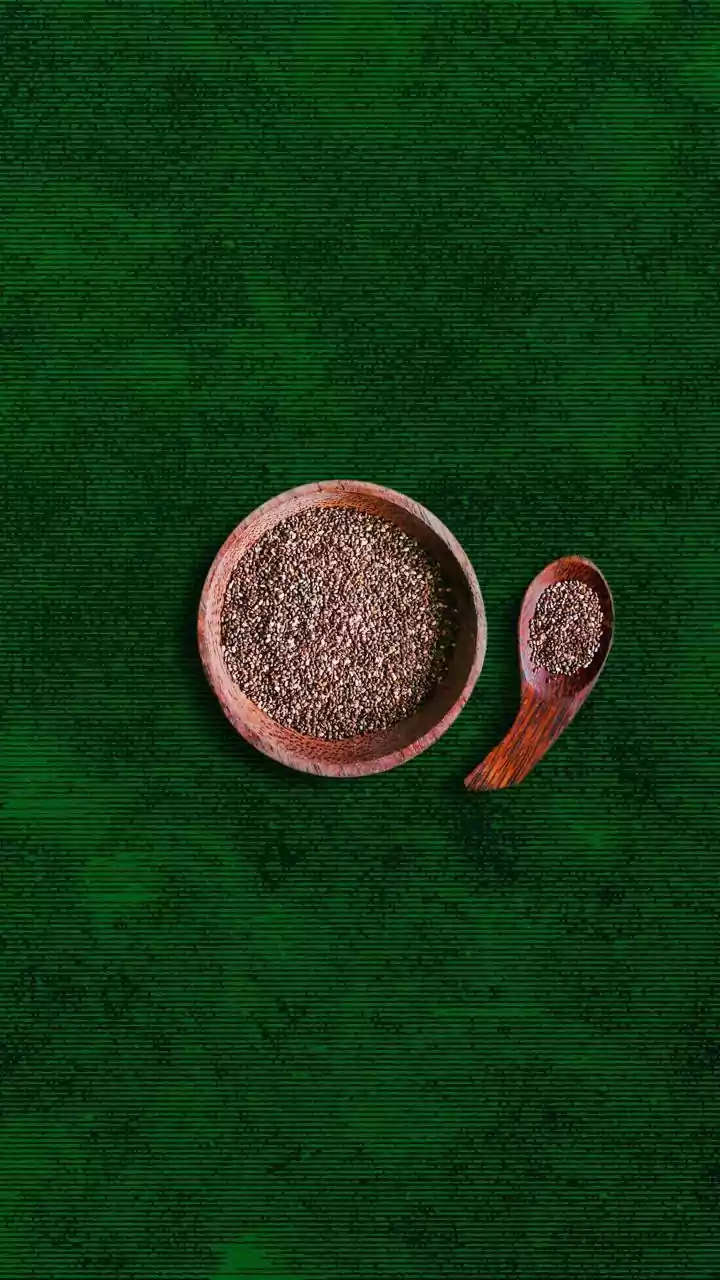
about 14g of protein. In contrast, ragi (finger millet), an ancient Indian staple, provides about 7g of protein. However, the story changes when we look at minerals. Ragi is an undisputed champion of calcium, delivering an astounding 344mg per 100g, which is nearly seven times more than quinoa's 47mg. This makes it exceptional for bone health, especially for women and children. While some sources suggest quinoa has more iron, others show millets like ragi and bajra as superior sources. Ragi also packs more dietary fibre, which aids digestion and promotes a feeling of fullness.
Blood Sugar and The Glycemic Index
For those managing blood sugar levels, the Glycemic Index (GI) is a crucial metric. The GI ranks foods on how quickly they raise blood glucose. Both ragi and quinoa perform well here, with a low GI of around 53-54. This means they release sugar into the bloodstream slowly, preventing sharp energy spikes and crashes, making both excellent choices for sustained energy and for individuals with diabetes. Some studies suggest that the high fibre and polyphenol content in ragi may further improve insulin sensitivity. Ultimately, for blood sugar management, neither grain has a significant advantage over the other; both are far superior to refined grains like white rice or maida.
The Reality of Cost and Availability
This is where the comparison becomes starkly different for Indian households. Quinoa is largely an imported product, and its price reflects that. It can cost anywhere from ₹250 to ₹500 for a 500g pack. Ragi, on the other hand, is a domestic crop, grown widely across states like Karnataka and Tamil Nadu. A kilogram of ragi flour often costs less than ₹100, making it dramatically more affordable and accessible. For a family consuming grains daily, the price difference is substantial. Choosing ragi means supporting local farmers and a domestic agricultural supply chain, a factor that is often overlooked in wellness trends.
Versatility in the Indian Kitchen
How easily can a grain fit into your daily meals? Ragi has been a part of Indian culinary tradition for centuries. It seamlessly blends into everyday dishes like rotis, dosas, idlis, and porridge (kanji). Its flavour is familiar and it requires no special techniques. Quinoa has a mild, nutty taste that works well in salads, upma, and as a substitute for rice. However, integrating it into traditional recipes can be less intuitive. While you can make quinoa dosas and idlis, ragi's texture and properties are naturally suited to these preparations, making it a more practical fit for the average Indian kitchen.
The Verdict: Which Grain Wins?
There is no single winner, as the 'better' grain depends entirely on your personal goals. If your primary focus is maximising protein intake and you follow a vegetarian or vegan diet, quinoa's complete amino acid profile is a significant advantage. However, if you are looking to boost your calcium and iron intake, manage your budget, and cook with familiar ingredients, ragi is the superior choice. It addresses common nutritional deficiencies in Indian diets more directly and affordably. Rather than seeing it as an either-or decision, a balanced approach could involve using quinoa for its protein benefits in certain meals, while making calcium-rich ragi a regular staple for everyday rotis and porridges. The rise of quinoa brought attention to the importance of nutritious grains, but it also helps us appreciate the powerful, sustainable, and budget-friendly superfoods that have been in our own backyard all along.