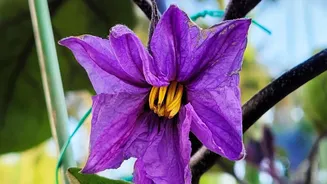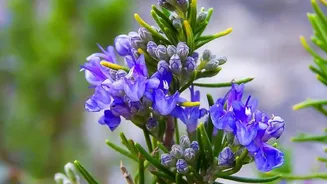





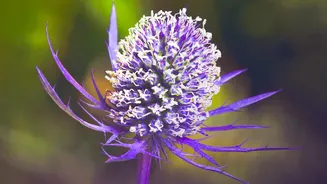
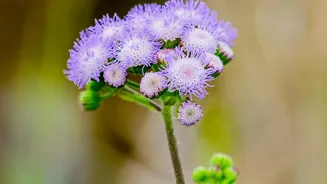
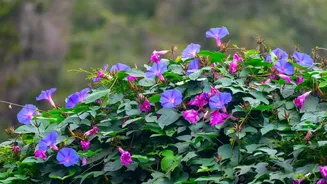
A Once-in-a-Dozen-Year Marvel
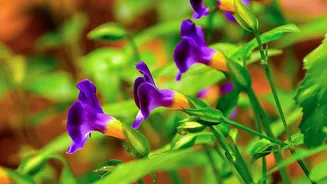
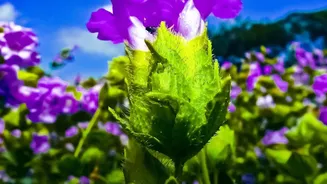
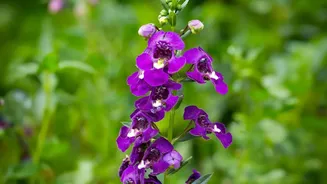
The Neelakurinji, scientifically known as Strobilanthes kunthiana, is a shrub found in the shola forests of the Western Ghats in Kerala, Tamil Nadu, and Karnataka. What makes it extraordinary is its synchronized flowering cycle. The plant blooms only
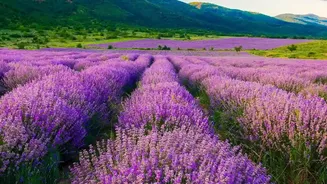
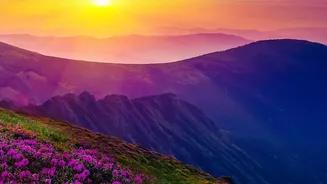
once in its 12-year lifespan, covering entire hillsides in a vibrant blue-purple carpet. This mass blooming, or gregarious flowering, is a survival strategy. The plant is monocarpic, meaning it flowers, sets seeds, and then dies. The 12-year cycle is believed to be an evolutionary adaptation to overwhelm predators and ensure that enough seeds survive to produce the next generation. After the last major bloom in 2018, the next grand spectacle is anticipated in 2030.
A Legally Protected Treasure
The ethereal beauty of the Neelakurinji attracts thousands of tourists, but this popularity has also put the plant at risk. To combat the threats from habitat destruction and visitors plucking the flowers, the Indian government has granted it legal protection. The Ministry of Environment, Forest and Climate Change has listed Neelakurinji under Schedule III of the Wildlife (Protection) Act, 1972. This listing makes it a protected plant, alongside other species that require conservation efforts. Under this law, it is illegal to pick, uproot, or destroy the Neelakurinji plant or possess any part of it.
The Ecological Cost of a Souvenir
Plucking a single flower might seem harmless, but it has significant ecological consequences. When flowers are plucked, the plant's reproductive cycle is broken. The plant cannot produce seeds, which are essential for the next generation to bloom 12 years later. Widespread plucking could lead to a decline in the Neelakurinji population and disrupt the entire ecosystem. These plants play a vital role in preventing soil erosion on the steep slopes of the Ghats. Furthermore, the nectar from the mass blooming is a crucial food source for many endemic species of honeybees and other pollinators. The unique 'Kurinji honey' is a prized product of this symbiotic relationship. By taking a flower, one is not just taking a plant but also impacting the local wildlife and the ecological balance of this fragile habitat.
Penalties and Enforcement
The law is not just a guideline; it has serious teeth. Anyone caught plucking or destroying the Neelakurinji plant faces strict penalties. Under the Wildlife (Protection) Act, the punishment includes a fine of ₹25,000 and imprisonment for up to three years. Forest officials patrol the blooming areas during the season to enforce these rules and protect the plants from overzealous tourists. In some areas, public access is restricted, especially in regions with heavy wild elephant movement or those designated as protected reserve forests. The message from authorities is clear: appreciate the beauty from a distance and leave the flowers for everyone, and future generations, to enjoy.
Capture Memories, Not Flowers
The bloom is a visual spectacle, and photography is highly encouraged as a way to capture and share its beauty without causing harm. Visitors are urged to be responsible tourists. This means staying on designated paths to avoid trampling the shrubs, not leaving behind any litter (especially plastics), and respecting the instructions of forest guards and local volunteers. The goal is to ensure that the Neelakurinji continues to thrive and transform the hillsides for decades to come. By choosing to take a picture instead of a flower, you are playing a direct role in the conservation of this incredible natural wonder.