



Nature’s Caramel Candy
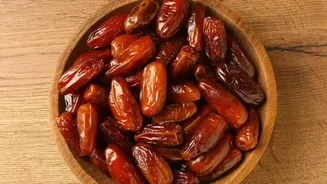
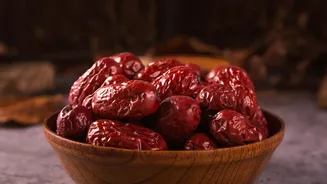
What makes dates so adaptable? It starts with their unique composition. Often called 'nature's candy', dates are packed with natural sugars, which provide a deep, caramel-like sweetness that is more complex than refined sugar. But it's not just about
the sugar; they are also high in dietary fibre, which helps moderate the sugar spike and adds body to recipes. Varieties like the large, soft Medjool are prized for their rich flavour and chewy texture, making them a favourite for both chefs and home cooks. Their inherent stickiness also makes them an excellent binding agent in energy bars and baked goods, holding ingredients together without the need for processed syrups.
The Classic Sweet Combinations
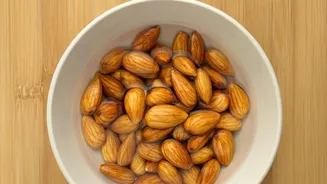
The most familiar way to enjoy dates is by pairing them with other sweet and rich flavours. Stuffing a pitted date with a roasted almond is a timeless combination, where the nuttiness balances the date’s intense sweetness. Dark chocolate is another classic partner; the slightly bitter notes of a good quality dark chocolate contrast beautifully with the fruity caramel of the date. These pairings are not just delicious but also incredibly simple. For a slightly more elaborate treat, dates can be filled with nut butters like almond or peanut butter, and even marzipan. They also blend seamlessly into smoothies, adding natural sweetness and a creamy texture to drinks made with banana, milk, and even coffee.
The Savoury Surprise
The real game-changer in the world of dates is their growing use in savoury dishes. The sweet flavour profile provides a perfect counterbalance to salty, tangy, and rich ingredients. One of the most popular savoury applications is pairing dates with cheese. Creamy, tangy goat cheese or even a sharp blue cheese stuffed into a date creates a flavour explosion that is a favourite on appetiser platters. Another classic is wrapping dates in bacon or prosciutto; when cooked, the salty, crispy meat contrasts wonderfully with the soft, sweet fruit inside. Beyond appetisers, chopped dates are increasingly tossed into salads to add a pop of sweetness against bitter greens and salty cheeses like feta. They also add depth to slow-cooked dishes like lamb tagines, where they meld with warm spices like cinnamon and cumin to create a truly complex flavour.
Balancing Spice and Everything Nice
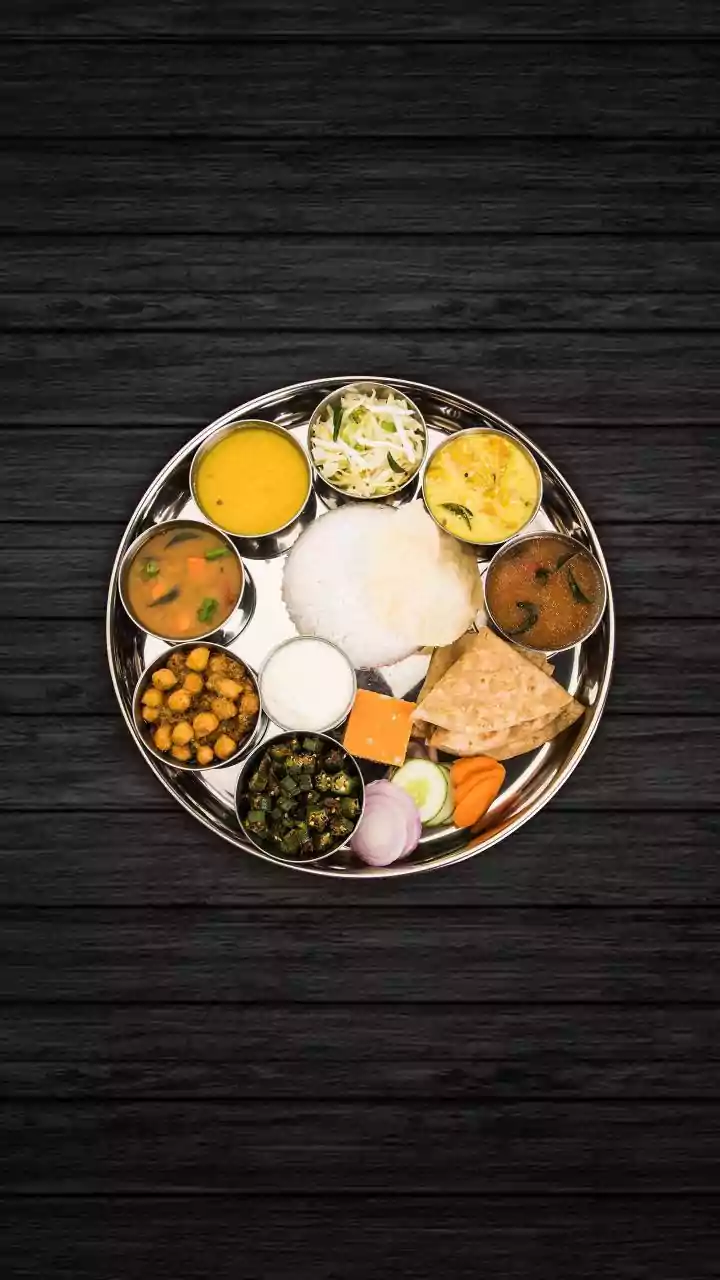
In Indian cuisine, where balancing sweet, sour, and spicy flavours is an art, dates have found a natural home. Their sweetness can be used to temper the heat in chutneys and pickles. A date and tamarind chutney is a classic example, where the dates’ mellow sweetness rounds out the sharp tang of the tamarind. This principle extends to marinades and glazes for roasted meats and vegetables. A glaze made from date paste can give chicken or paneer a beautiful caramelised crust and a subtle sweetness that pairs well with spicy rubs. Think of a sweet and spicy roast chicken with carrots and dates, where the fruit softens and lends its flavour to the entire dish.
A Healthier Sweetener
As more people look for alternatives to refined sugar, dates have risen as a nutritional powerhouse. Date paste, made by simply blending soaked dates with water, can replace sugar in a wide variety of baked goods like muffins, cookies, and brownies. It not only sweetens but also adds moisture and nutrients like potassium and magnesium. Date sugar, made from dehydrated and ground dates, can be used as a one-to-one replacement for brown sugar in many recipes, though it doesn’t dissolve in the same way. This trend towards whole-food sweeteners has made dates a staple in healthy desserts, from no-bake energy balls to creamy, dairy-free ice creams.