






The Science of Calm
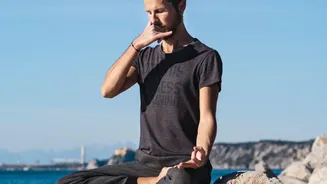
At its core, controlled breathing is a direct line to your nervous system. When you intentionally slow your breathing or hold your breath, you can stimulate the vagus nerve. This nerve is a key player in the parasympathetic nervous system, often called
the “rest and digest” system. Activating it helps counteract the “fight or flight” response, lowering your heart rate, reducing blood pressure, and telling your body it’s safe to relax. This is why techniques like box breathing or holds after exhalation can leave you feeling centered and serene. Studies have shown that consistent, mindful breathing practices can significantly reduce feelings of stress and anxiety by helping to regulate cortisol levels. The feeling of calm is real and physiologically grounded.
When Relaxation Becomes Risky
The problem arises when these exercises are pushed to the extreme. The primary danger of prolonged breath-holding is hypoxia, or a severe lack of oxygen. As you hold your breath, carbon dioxide (CO2) builds up in your blood. Normally, rising CO2 is the primary signal that triggers your urgent need to breathe. However, some techniques, particularly those involving hyperventilation before a breath-hold, artificially flush out CO2. This can trick your body, delaying the urge to breathe even as your oxygen levels plummet to a critical low. When oxygen to the brain drops too far, the result can be a sudden loss of consciousness, often called a hypoxic blackout. This can happen with little to no warning. Even without fainting, intense breathwork can sometimes trigger anxiety, dizziness, or muscle spasms if done improperly.
The Absolute No-Go: Water and Breath-Holding
The most critical safety rule is to never practice intense breath-holding exercises in or near water. This includes swimming pools, bathtubs, and open water. The risk is a phenomenon known as shallow water blackout, a form of hypoxic blackout that occurs underwater. If you lose consciousness while submerged, your body's automatic reflex to breathe will take over, causing you to inhale water and drown. This can happen to anyone, including strong, experienced swimmers. Several deaths have been linked to breathwork practices combined with cold water immersion. The combination of holding your breath and cold water can also trigger dangerous heart arrhythmias in otherwise healthy individuals. The message from safety experts is unequivocal: keep these two activities entirely separate.
A Hazard on the Road
The same logic applies to why you must never practice breath-holding while driving or operating any machinery. The risk of lightheadedness, dizziness, or a full blackout means you could lose control of your vehicle in an instant. While it may seem like a harmless superstition to hold your breath through a tunnel, it can have catastrophic consequences. In 2014, a driver in the US caused a head-on collision after he reportedly fainted from holding his breath while driving through a tunnel, resulting in multiple injuries and a citation for reckless driving. Your full attention and consciousness are non-negotiable for safety on the road. A moment of oxygen deprivation can lead to a lifetime of tragedy.
How to Practice Safely
To reap the benefits of breathwork without the dangers, a mindful and safe approach is essential. Always practice in a secure environment where a fall would not cause injury, such as sitting on the floor or lying down on a mat. Never push yourself to the point of extreme discomfort or pain; a shorter, smoother breath-hold is better than a longer, strained one. If you have any pre-existing health conditions, especially high blood pressure, heart concerns, or a history of fainting, it is vital to consult a healthcare provider before attempting any intense breathing exercises. Above all, listen to your body. The goal is to reduce stress, not to create a new physical risk.