


The Tale of Two Breakfasts
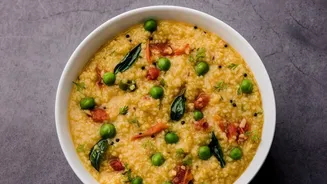
Upma, the beloved breakfast dish, is a morning ritual across India. Traditionally made with roasted rava (semolina), it’s known for its soft, slightly dense, and porridge-like consistency that’s both filling and flavourful. It’s the dish many grew up
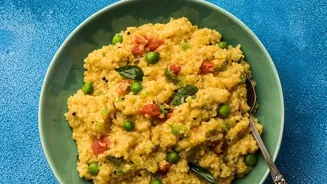
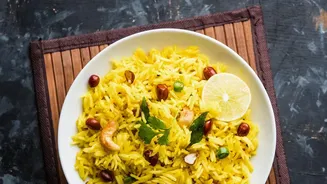
with, a dependable start to the day. However, another version, equally delicious but distinct in character, exists in kitchens across the country: poha upma. Known as 'aval upma' in Tamil Nadu or 'atukula upma' in Andhra Pradesh, this variation uses flattened rice instead of semolina. While the base of tempering spices, onions, and curry leaves often remains similar, the final result is a revelation in texture, offering a lighter, more delicate experience.
The Fluffy, Light Texture of Poha
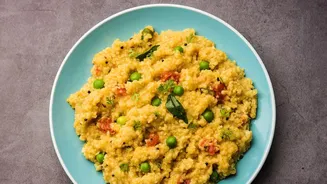
The fundamental difference lies in the core ingredient. Semolina is granular and, when cooked with water, swells to create a unified, creamy mass. Poha, or flattened rice, consists of individual flakes that are rehydrated. When prepared correctly, these flakes remain separate, soft, and remarkably fluffy. Unlike the cohesive texture of rava upma, poha upma is light and airy. Each spoonful contains distinct flakes that have absorbed the flavours of the tempering, offering a less heavy mouthfeel. This makes it an excellent option for those who prefer a lighter start to their day but still crave a satisfying, warm breakfast. It's quicker to digest and feels less dense in the stomach.
Why Roasting the Poha Is Key
The headline mentions a crucial step: roasting. While many poha recipes involve a simple rinse, dry roasting the thick poha flakes in a pan before use is a game-changer. This simple, two-minute step accomplishes several things. First, it imparts a subtle, nutty aroma that enhances the overall flavour of the dish. Second, it helps the poha flakes hold their structure. Roasting makes them a bit sturdier, preventing them from becoming mushy or breaking down when mixed with the other ingredients. The result is a perfectly fluffy upma where every flake is distinct, not a clumped mess. This step is the secret to achieving that superior texture that sets it apart.
Choosing the Right Poha
A trip to the store reveals that not all poha is created equal. You’ll typically find thick (jad) and thin (patla or nylon) varieties. For making upma, it is essential to use thick poha. Thin poha is delicate and dissolves quickly, making it ideal for snacks like chivda or for mixing with curd, but it will turn to mush when used for upma. Thick poha has the integrity to withstand the rinsing and cooking process, softening beautifully while maintaining its shape. Some recipes call for a quick rinse and drain, while others suggest a brief soak, but the consensus is clear: thick poha is non-negotiable for a fluffy, non-soggy upma.
Mastering the Poha Upma Technique
Making poha upma is wonderfully simple. The process starts, much like its rava counterpart, with a flavourful tempering (tadka). Heat oil, splutter mustard seeds, and fry dals like urad and chana until golden for crunch. Sauté onions, green chillies, ginger, and curry leaves until fragrant. This is also the stage to add vegetables like finely chopped carrots, peas, or potatoes. While the veggies cook, prepare the poha. After roasting, a quick rinse under water is all that's needed—do not over-soak. Add the damp poha to the pan, season with salt and a pinch of turmeric, and gently mix everything together. Cover and steam on low heat for just a few minutes until the flakes are heated through and have absorbed the flavours.
Finishing Touches for Perfection
What truly elevates poha upma are the final additions. A generous squeeze of fresh lemon juice at the end brightens up all the flavours and adds a necessary tang. A garnish of freshly chopped coriander leaves is a must for its fresh, herbaceous notes. For extra texture and richness, many recipes recommend adding roasted peanuts or cashews. In many South Indian households, a final sprinkle of grated fresh coconut is the crowning glory, adding a touch of sweetness and moisture that perfectly complements the savoury dish. These small details transform a simple breakfast into something truly special.