

Why Your Cooking Method Matters
The path to healthier eating isn't just paved with fresh vegetables and lean proteins; it's also built by the techniques we use to prepare them. How you cook your food can dramatically alter its nutritional profile. Many essential vitamins and minerals
are sensitive to heat and water. For instance, water-soluble vitamins like Vitamin C and B-group vitamins can leach out of vegetables into boiling water, meaning those nutrients go down the drain unless you consume the liquid. Choosing a cooking method is therefore a balance between preserving nutritional value, ensuring food is digestible, and, most importantly, creating a meal you'll actually enjoy eating. After all, the healthiest habit is the one you can stick with long-term.
Water-Based Wisdom: Steaming and Boiling
Boiling is a simple and fast cooking method, but it often comes at a nutritional cost. When vegetables are submerged in boiling water, a significant amount of water-soluble vitamins like Vitamin C and various B vitamins are lost to the water. While you can recover these nutrients by using the cooking liquid in soups or stews, it's not always practical. Steaming, on the other hand, is one of the best methods for nutrient preservation. Because the food is cooked by hot steam without being submerged in water, it retains more of its heat-sensitive and water-soluble vitamins. Studies have shown that steaming broccoli, for example, helps it retain more of its beneficial compounds compared to boiling or frying. For vegetables that taste bland when steamed, a simple drizzle of oil and a sprinkle of seasoning after cooking can elevate the flavour without compromising the health benefits.
The High-Heat Equation: Roasting and Grilling
Roasting and grilling are dry-heat methods celebrated for the incredible flavour they impart. This browning effect is thanks to the Maillard reaction, a chemical process between amino acids and sugars that creates hundreds of new flavour compounds. Baking and roasting require little to no added fat and can be a healthy way to cook meats and vegetables, preserving nutrients like potassium and vitamin C better than boiling. However, high-heat cooking comes with a caveat. Cooking at very high temperatures, especially with starchy foods like potatoes, can lead to the formation of acrylamide, a compound classified as a potential carcinogen. Similarly, charring meat on a grill can create other harmful compounds. The key is moderation: aim for a golden-brown colour rather than a dark, burnt crust, and avoid prolonged exposure to very high heat to get the best of both worlds—great flavour and better health.
A Fresh Look at Frying
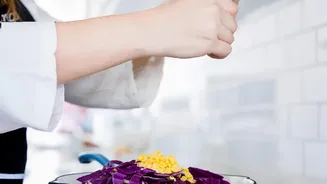
Frying often gets a bad reputation, and for good reason when it comes to deep-frying. Submerging food in large amounts of hot oil adds significant calories and fat. High temperatures can also damage delicate fats like omega-3s in fish and create harmful substances, especially if the oil is overheated or reused. However, not all frying is created equal. Sautéing and stir-frying use much less oil and shorter cooking times. These methods can be quite healthy, as cooking quickly without water helps prevent the loss of B vitamins. Furthermore, the fat used can actually help your body absorb fat-soluble vitamins and other beneficial plant compounds. For instance, studies have shown that stir-frying can enhance the absorption of antioxidants from vegetables like red peppers. The trick is to use a healthy oil, control the temperature, and keep the cooking time brief.
Microwaving and Pressure Cooking
Often dismissed, microwaving can be a surprisingly healthy cooking method. Its short cooking times and minimal use of water help preserve nutrients that are typically lost in other methods like boiling. Microwaving is particularly effective at retaining Vitamin C in vegetables. Pressure cooking, a staple in many Indian kitchens, is another excellent option. It cooks food quickly at high temperatures, which can help retain nutrients better than longer cooking methods. It's an energy-efficient technique that softens legumes and grains effectively, making them more digestible. Both methods offer a convenient and nutritionally sound way to prepare everyday meals.