



Why Go Beyond the Usual Grains?
For generations, Indian kitchens have revolved around wheat and rice. While they are comforting staples, a world of flavour, texture, and nutrition exists just beyond them. Ancient grains like barley (jau), millet (bajra), and sorghum (jowar) were once
central to our diets for good reason. They are nutritional powerhouses, often packing more fibre, protein, and essential minerals than their modern, refined counterparts. Incorporating them into your meals can support better digestion, help manage blood sugar levels, and reduce the risk of heart disease. Plus, they add a delightful complexity and heartiness to dishes that can elevate your everyday cooking from mundane to memorable.
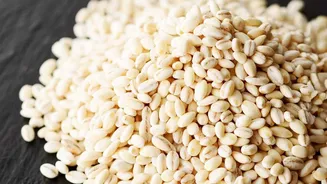
The Hearty Charm of Barley (Jau)
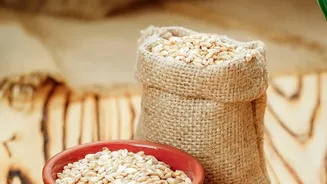
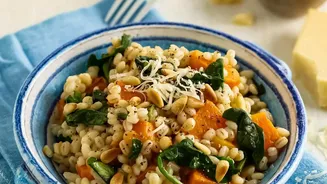
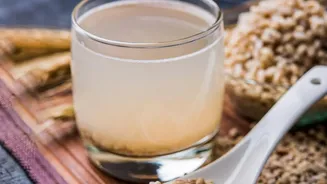
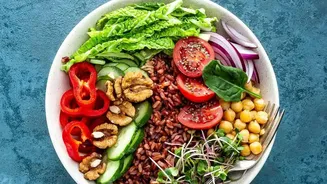
Barley, known as 'jau' in Hindi, has a wonderfully chewy texture and a mild, nutty flavour. It's particularly famous for its high content of beta-glucan, a type of soluble fibre that is excellent for heart health and can keep you feeling full for longer. While it may look intimidating, cooking barley is simple. Think of it as a healthier, more robust substitute for rice. It shines in soups and stews, where it adds body and absorbs the flavours of the broth beautifully. Try making a barley pulao with seasonal vegetables, or toss cooked and cooled barley into a salad with chickpeas, cucumber, and a lemon vinaigrette for a refreshing and substantial lunch. For a creamy alternative to risotto, simmer pearl barley with mushrooms and stock until tender.
The Mighty Millet (Bajra)
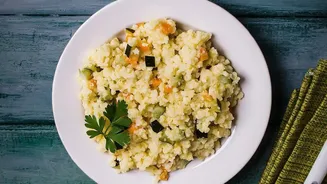
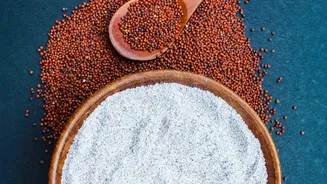
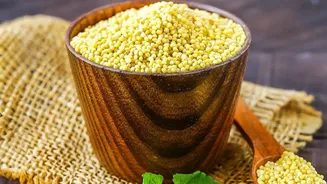
Millet is a term that covers a group of small-seeded grasses, with pearl millet, or bajra, being one of the most popular in India. Naturally gluten-free, millet is celebrated for its rich nutrient profile, including protein, iron, and niacin. Its flavour is slightly sweet and nutty, and it can be cooked to be fluffy like quinoa or creamy like porridge. Bajra is famous in the form of rotis or bhakri, especially during winter. But its use doesn't stop there. You can use millet as a base for upma, cook it as a breakfast porridge with milk and fruit, or even use millet flour in baking. Because it cooks relatively quickly, it’s a fantastic grain for busy weeknights.
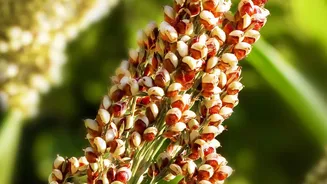
The Wholesome Goodness of Sorghum (Jowar)
Sorghum, or jowar, is another gluten-free champion that deserves a place in your pantry. It's a staple in many parts of India, traditionally used to make jowar roti or bhakri. Rich in protein, iron, and antioxidants, jowar has a subtle, earthy flavour. The whole grain can be cooked and used in salads or grain bowls, much like barley. But one of the most exciting ways to use sorghum is by popping it. Popped sorghum grains are like tiny popcorn and make for a fantastic, healthy snack. Jowar flour is also an excellent gluten-free alternative for making everything from dosas to pancakes, often yielding a soft, tender result.
Simple Swaps for a Grainy Makeover
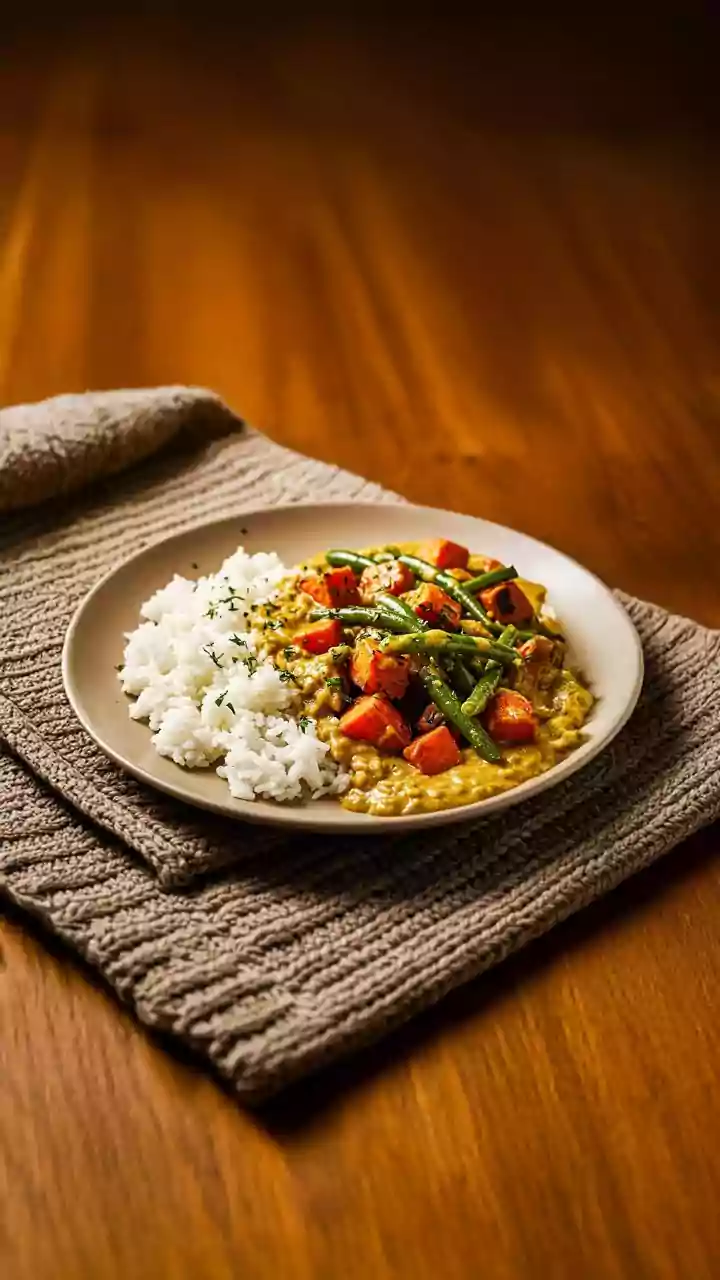
Starting your journey with these grains doesn't require a complete overhaul of your menu. Begin with simple substitutions. Swap half the rice in your next biryani or khichdi with millet or barley. Use a mix of jowar and whole wheat flour for your daily rotis to increase their fibre content. Cook a batch of barley or sorghum at the beginning of the week to easily add to salads, soups, or stir-fries. You can even create your own multi-grain 'sharbat' or sweet kheer using these versatile grains. The key is to experiment and discover the unique textures and tastes each one brings to the table.